

Gastronomy, Humor, and the Gentle Melancholy of Middle Age
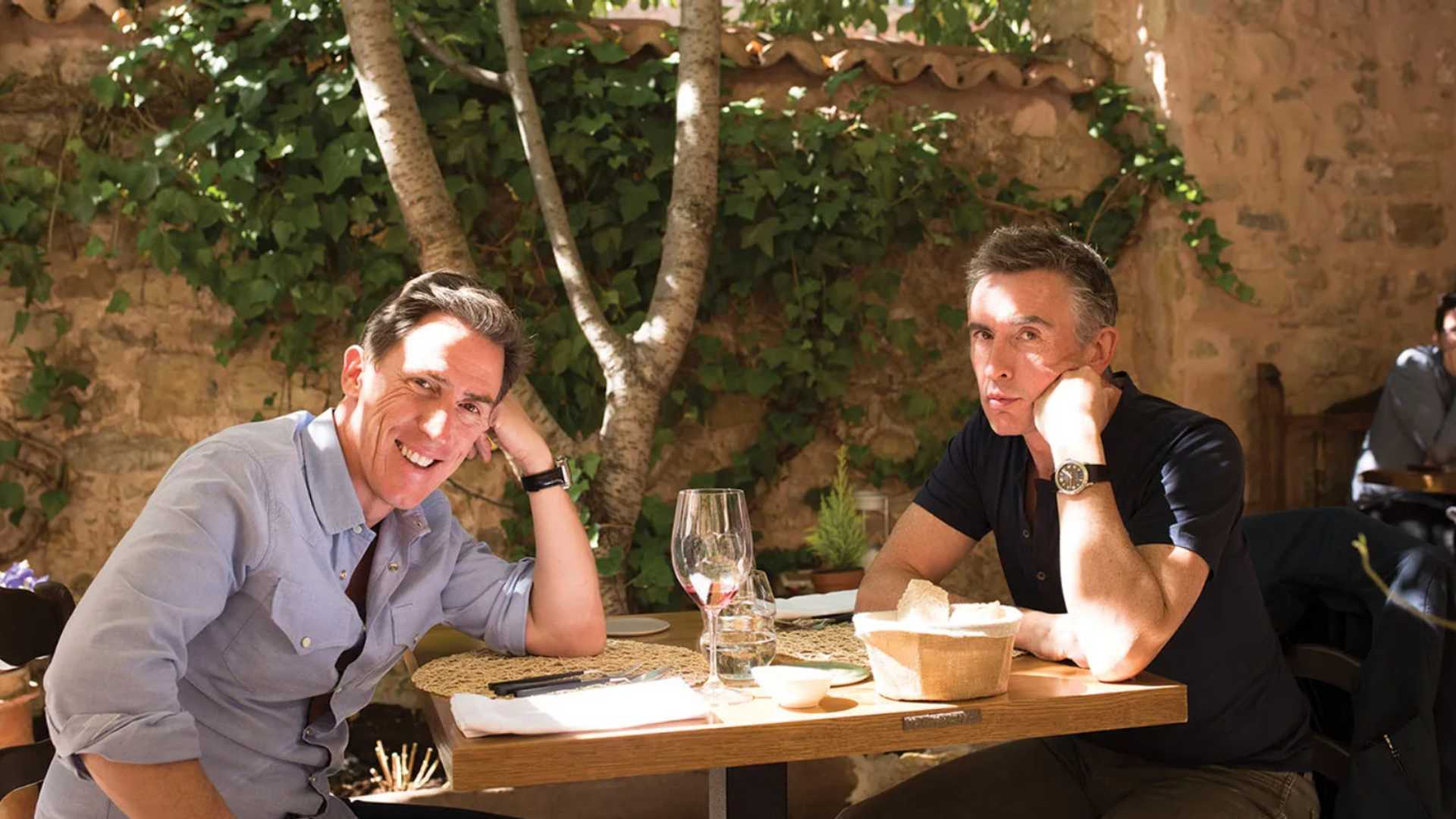
The Trip to Spain can be seen as the most “taste-focused” part of the series, as the third stop in the semi-fictional journeys of Steve Coogan and Rob Brydon. This time, the film centers on their gastronomic trip across Spain.
Directed by Michael Winterbottom, the film builds on the previous ones, while offering a more refined, more concrete and more appetizing experience, especially with its food scenes. Although it may look like a travel comedy where two middle-aged actors travel around Spain and review restaurants, it also contains deeper thoughts about gastronomy, identity, aging and existence.
The basic idea of the film is quite simple; Coogan goes on a tour of Spain to write restaurant reviews for a newspaper, and Brydon joins him on this trip. However, this work trip is much more than a classic food show. A wide range of dishes are tasted, from pintxos or tapas bars to Michelin-starred restaurants; but the real focus is on the conversations, jokes and the inner feeling of emptiness that form around these meals. One of the strongest aspects of the film is that it treats gastronomy not just as a background element, but as the main structure of the story. The meals Coogan and Brydon taste during their Spain trip become a way of storytelling that reflects both the character of the places and their emotional states.
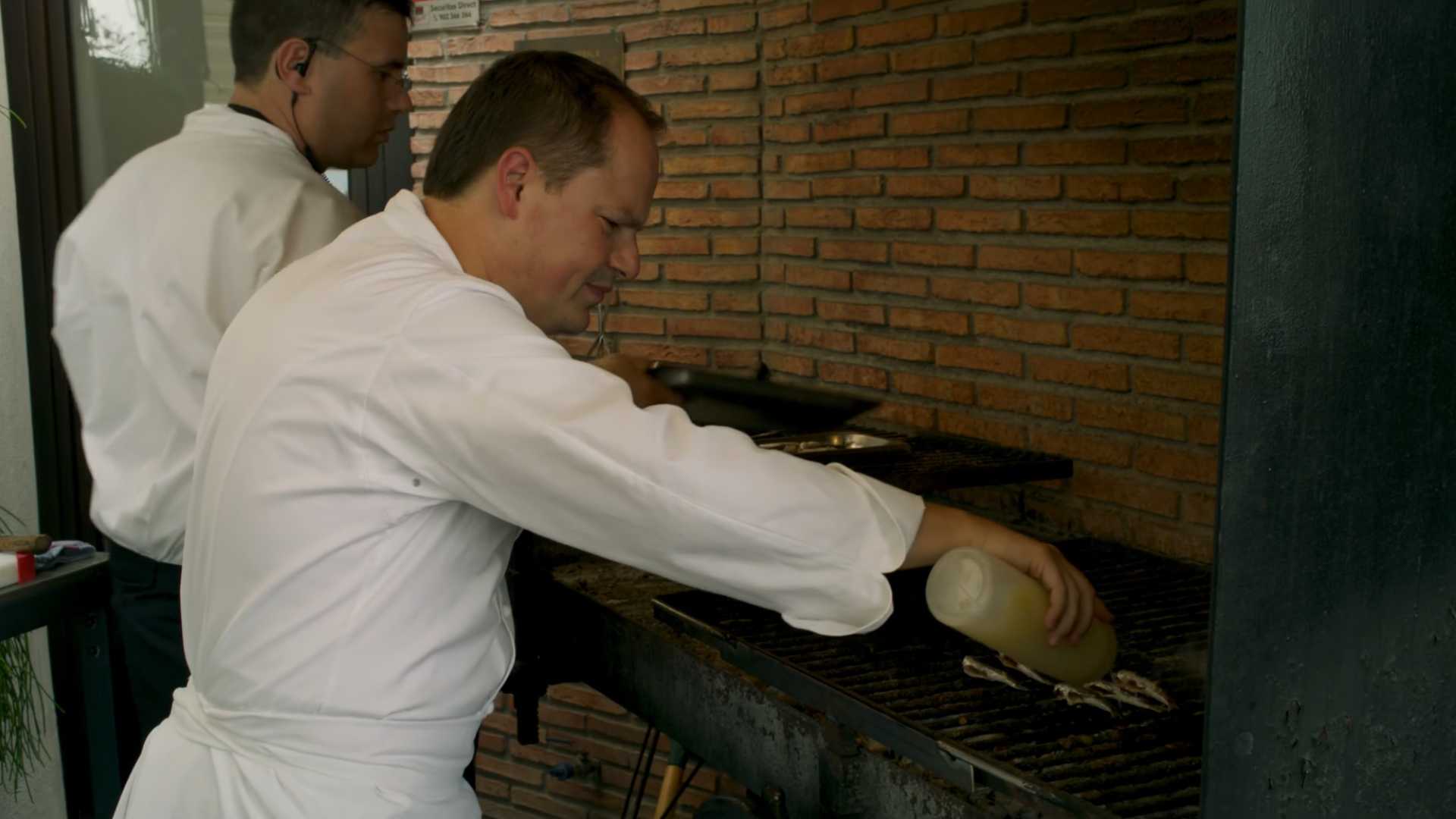
Spanish cuisine almost appears as a third character in the film. One of the first notable stops of the journey is Santander. In this scene, while the two make impressions of Michael Caine and Mick Jagger and make the audience laugh, the dishes they eat—Anchovies a la Parrilla and Pulpo a la Parrilla—show the strength of Spanish cuisine that comes from simplicity. The direct relationship between fire and the grill brings out the natural taste of the fish and octopus; and the Txakoli made from Hondarribia Zuri grapes completes the scene in an elegant way. Here, the film approaches gastronomy not through flashy presentation, but through staying true to its essence.
As the film continues, the tables become more varied: homemade Queso Fresca and the silky Mantequilla stand out, which Coogan describes as almost life-giving. Chorizo made from Iberian pork, typical of the Salamanca region, appears as a characteristic hot appetizer, cooked on a small grill at the table (Chorizo al Infierno). Along with this, Croquetas de Maíz and Mejillones Verdes con Escabeche de Zanahoria represent the creative side of modern Spanish cuisine. The Sauvignon Blanc served with these dishes balances their lightness and acidity. However, unlike classic food documentaries, the film does not present food only as an object of pleasure; instead, it often appears as an attempt to fill a kind of emptiness. While Coogan and Brydon try different flavors, their conversations often move to topics such as aging, death and career concerns. On one side, there is a pure happiness like “a life-giving piece of butter”; on the other side, there is the inevitability of passing time. This contrast is one of the film’s strongest aspects.
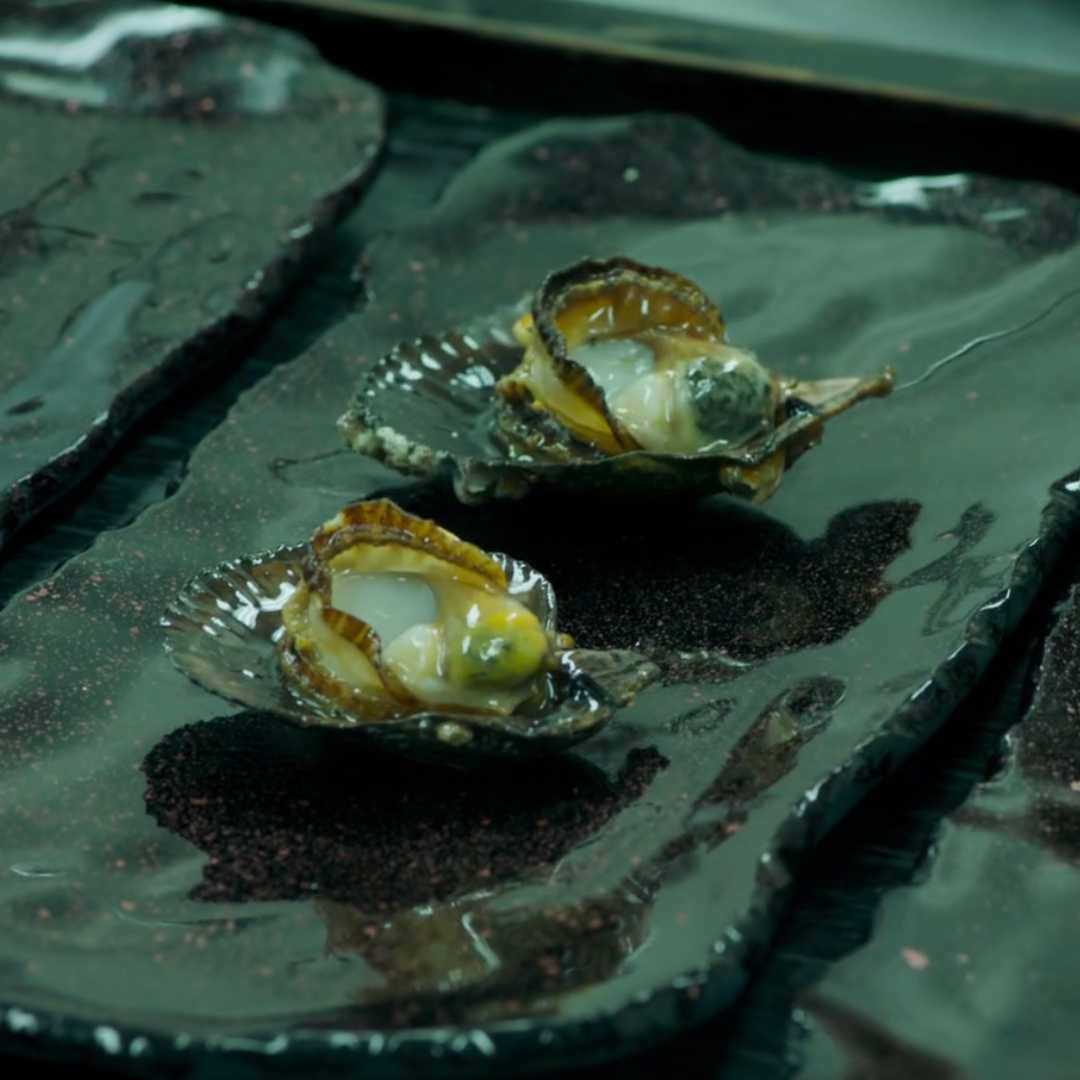
Mejillones Verdes con Escabeche de Zanahoria, The Trip to Spain, 2017
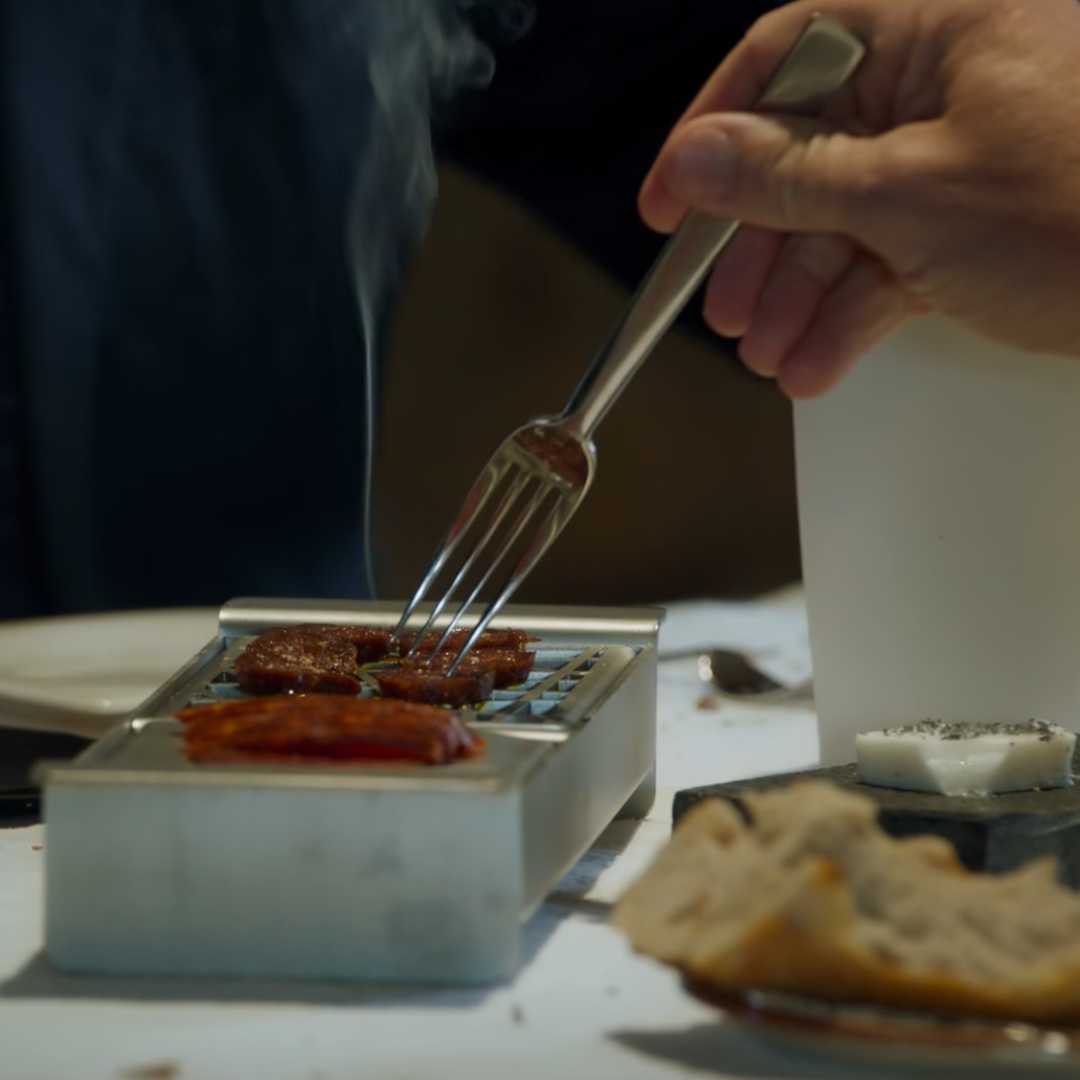
Chorizo, The Trip to Spain, 2017
The chemistry between the two is the main driving force of the film. There is a constant tension between Coogan’s more narcissistic and inward-looking attitude and Brydon’s more outgoing and approval-seeking character. This tension becomes visible through small and subtle remarks made at the restaurant tables. While Brydon’s use of impressions can be seen as a way of hiding his identity, Coogan’s competitive attitude keeps this dynamic alive.
The seared scallops and Iranian caviar served at the same restaurant become one of the peak moments where gastronomy turns into a kind of passive-aggressive duel. At this point, the film comes close to the style of a food show, but breaks this style with the characters’ conversations and keeps its own tone. The Bond impression they perform, together with the polite “after you,” actually becomes a quiet ego battle about who is more dominant. Zamburiñas a la Plancha, here, works not just as a dish but almost like a weapon pointed at each other by two rival agents.
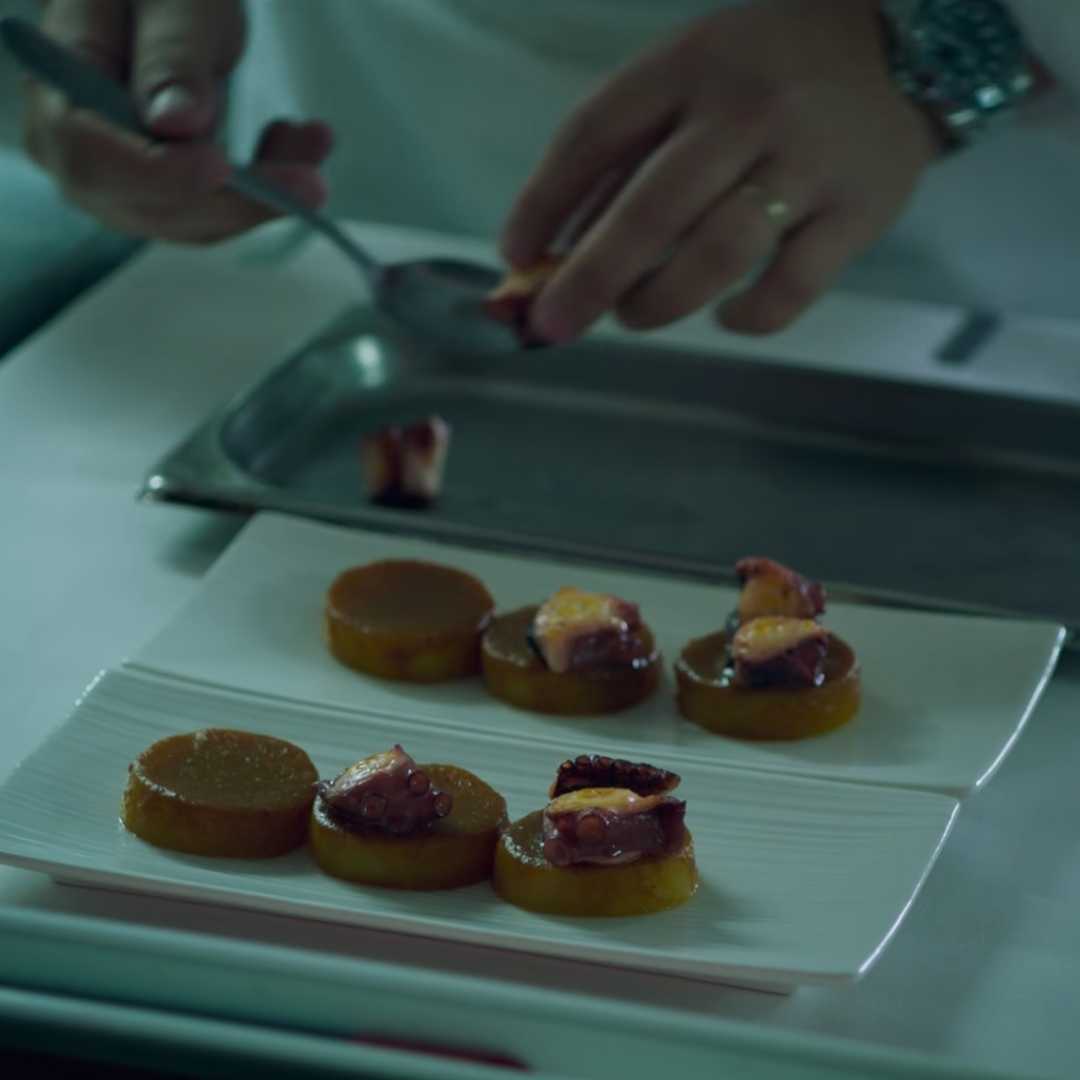
Zamburiñas a la Plancha, The Trip to Spain, 2017
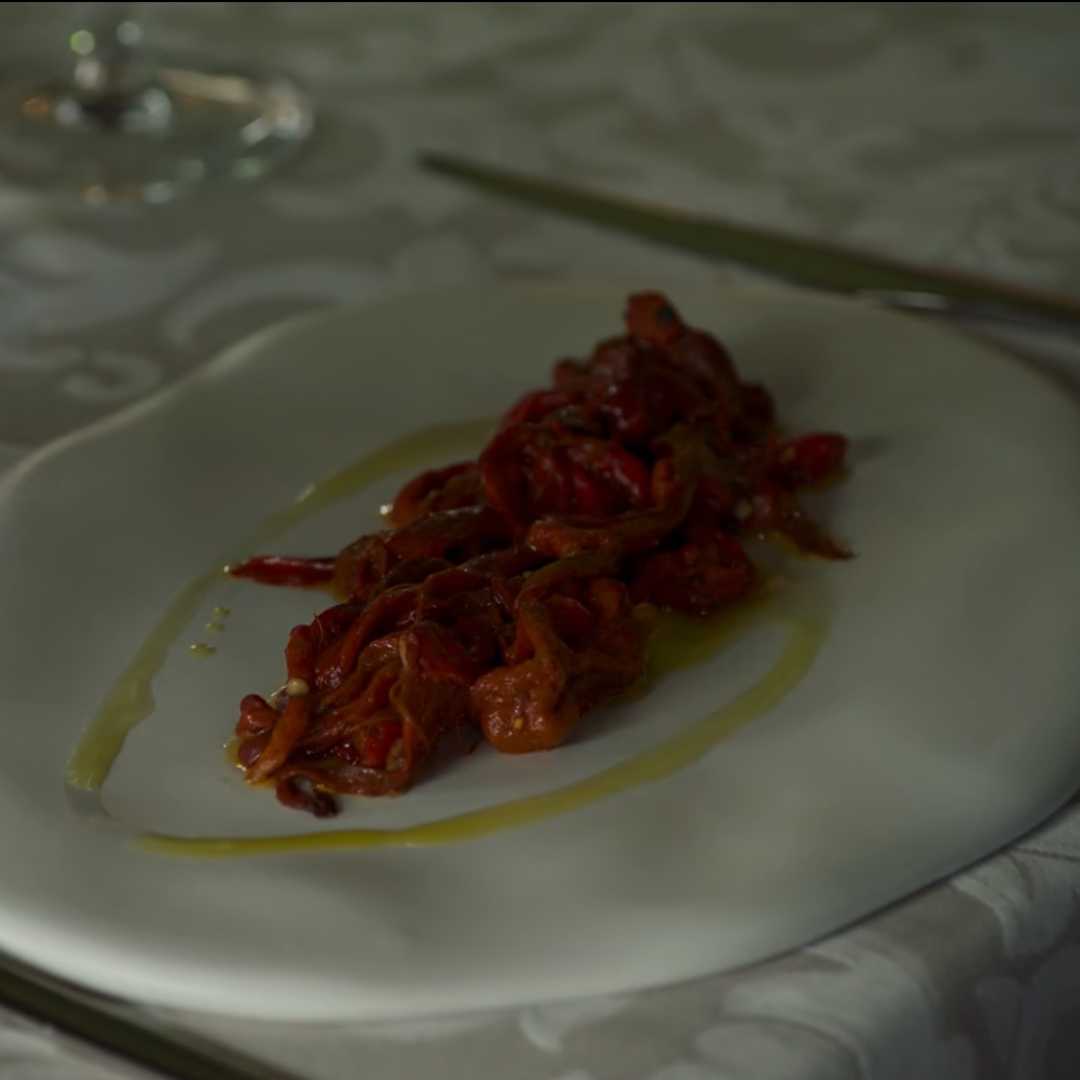
Pimientos del Cristal Asados a la Leña, The Trip to Spain, 2017
The strongest moments of the film are the scenes where improvisational dialogue and gastronomy come together. A restaurant conversation can move within minutes from literature to popular culture, and then to personal disappointments. This fluidity gives the film a real feeling of conversation. The audience watches not only two men eating, but also two people trying to make sense of life.
When the journey reaches the La Rioja region, the connection between gastronomy and geography becomes even clearer. At La Posada del Laurel, the Pimientos del Cristal Asados a la Leña show how powerful simplicity can be when cooked over a wood fire. This approach reflects perfectly the idea of Spanish cuisine: achieving maximum flavor with minimal ingredients.
Another striking aspect of the film is how it reflects the feeling of emptiness during a holiday. Despite beautiful views, impressive restaurants and perfect dishes, the characters often feel a sense of dissatisfaction. At the next stop, in Guadalajara at Nöla Restaurante, the Arroz Meloso con Rabitos de Iberico y Crema Tostada stands out with its rich aroma and creamy texture as one of the most “comfort food” moments in the film. This dish seems to reflect the emotional weight and complexity of middle age.
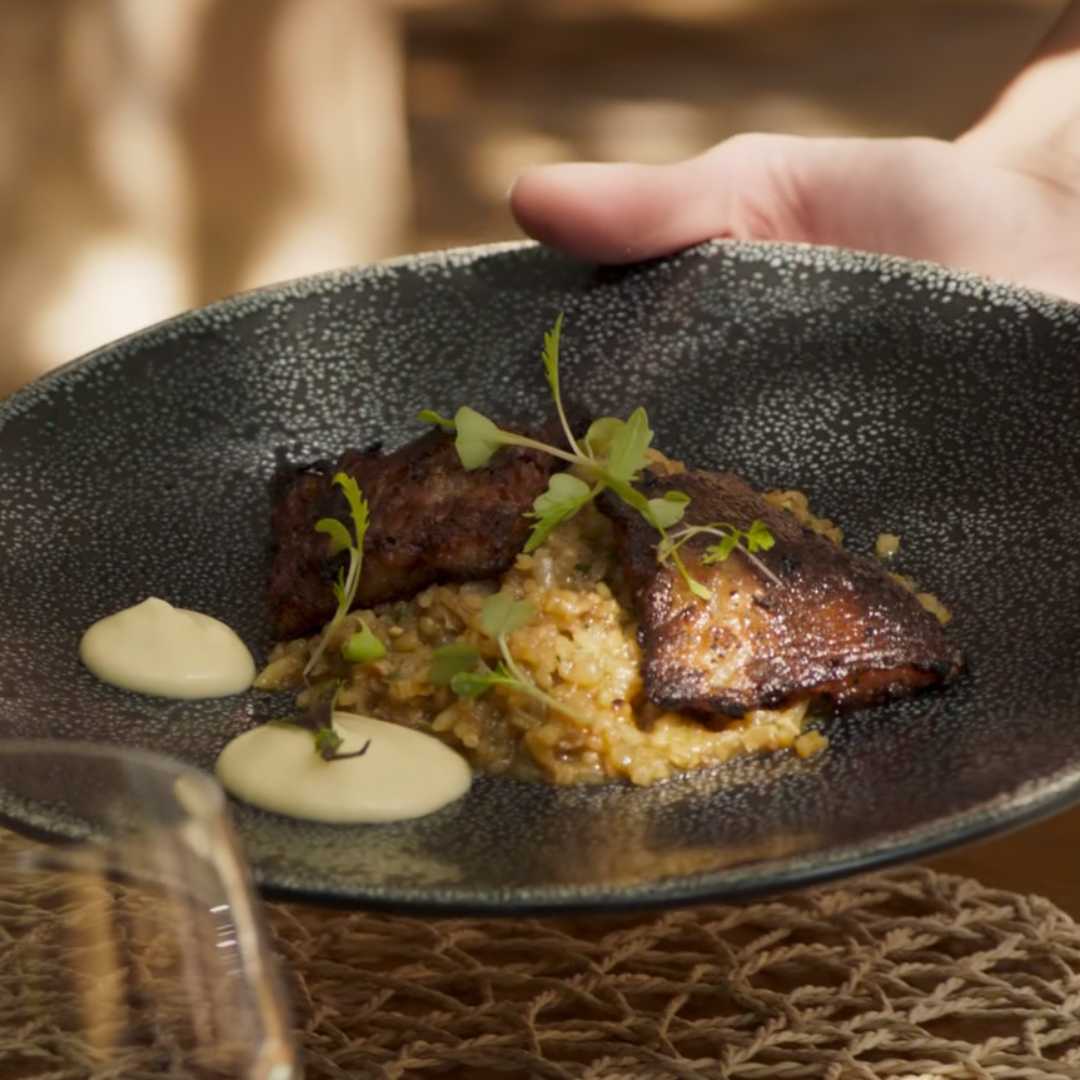
Arroz Meloso con Rabitos de Iberico y Crema Tostada, The Trip to Spain, 2017
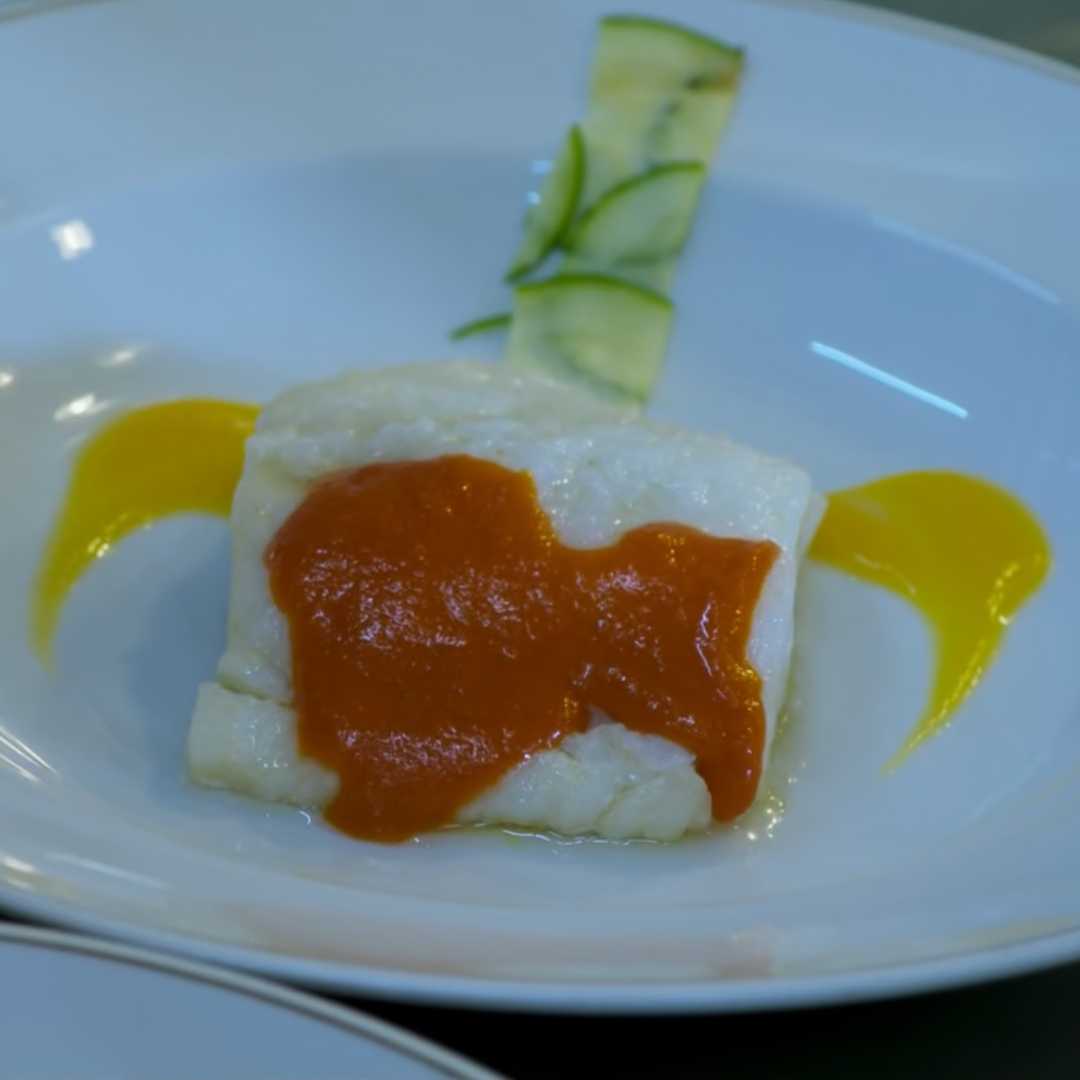
Bacalao, The Trip to Spain, 2017
The Bacalao they eat at Parador de Cuenca is a strong example of classic Spanish cuisine. The different versions of salted cod bring the gastronomic journey back to a traditional base and represent a return to simplicity.
All these dishes do not only create a visual feast; they also form the base for the conversations between Coogan and Brydon. At the table, they both joke with impressions and also talk about heavier topics such as aging, death, career and the search for meaning. Their impressions of Michael Caine, Mick Jagger and David Bowie sometimes soften this tension, but the feeling of melancholy that moves between the dishes never fully disappears.
The Trip to Spain is a road film built around gastronomy. While it romanticizes food, it also shows its limits. Even the best restaurants and the most perfect dishes cannot fill the inner emptiness of the characters. In this way, the film goes beyond a simple food story. It offers a rich visual experience for those interested in gastronomy, a subtle comedy for those who enjoy British humor, and a light but effective reflection for those thinking about the fragility of middle age. It is a journey that begins at the table but does not end there; while it seems to follow flavors, it actually follows time, friendship and the unavoidable passing of life.