


Birtat: An Offal Legend from Selimiye to Koşuyolu
It would be an exaggeration to say that Birtat left its mark on all of Istanbul, or on an entire generation. But it certainly earned a place of its own in the life of Selimiye and in the memories of those who went searching for good offal in Istanbul.
There are certain places, restaurants, bars, cafés, that come to occupy an important place in some people’s lives.
For me, one of those places was Kosinitza in Kuzguncuk, run by İbrahim Öztürk, which I discovered in my forties. I was at a different stage of my life. I needed different things. I had become curious about different things. Kosinitza and Mr. İbrahim’s cooking, his place, its light, its warmth, affected me deeply. They changed me. I learned a great deal there.
Kosinitza, transformed into something else, also found its way into Son Teşebbüs, my novel published in 2015, where it occupied an important place. It became one of the centres of the novel and was the perfect example before me for the abstraction I called Yemek Yeri, the Eating Place.
But then there are places that shape not merely individual lives, but neighbourhoods and generations.
Kemancı was such a place in Istanbul. First beneath the Galata Bridge, on the Karaköy side, and later, after it moved to Sıraselviler, in an entirely different form. In both incarnations, it touched a generation.
I still remember the first day I went to Hayal Kahvesi. It was daytime. Hayal Kahvesi was another such place. So were the cafés lined up next to one another in Ortaköy, and Ali Baba in Rumelihisarı. Some places influenced not only their regulars, but several generations at once.
Bostancı Hatay Restaurant, Yakup, Refik… Places whose final years were all I managed to catch, yet which left their mark on Istanbul’s collective memory of eating and drinking.
Çiya!
Birtat’s story is somewhat different.
It would be an exaggeration to say that it left its mark on all of Istanbul, or on an entire generation. But it certainly earned a place of its own in the life of Selimiye and in the memories of those who went searching for good offal in Istanbul.
And it did so in a very peculiar, very Istanbul kind of place.
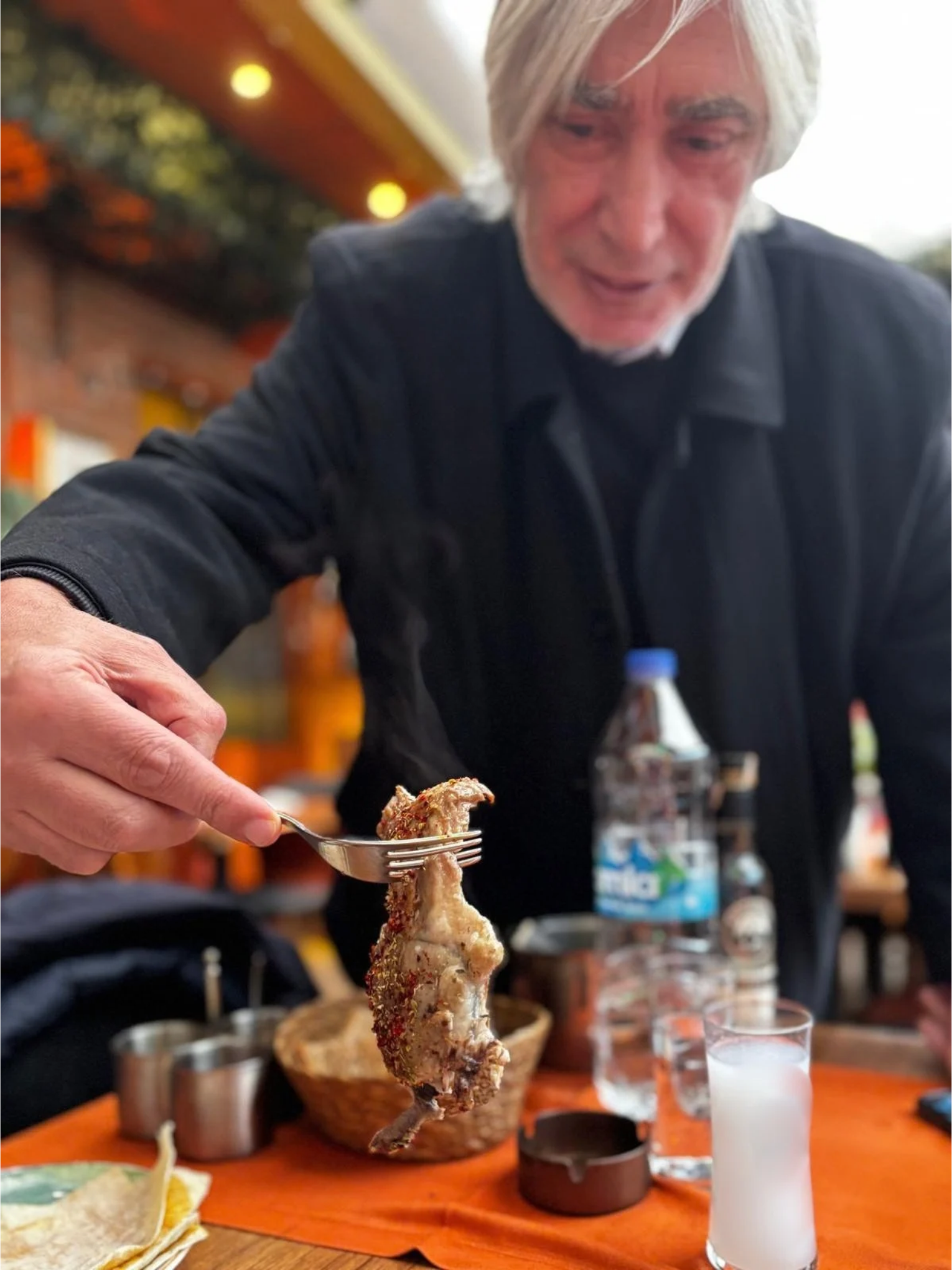
Chef and Owner Murat Solmaz
A Dead-End Street
I think of the street where the old Birtat once stood, just downhill from the house where I lived at the time in Selimiye.
At the end of it stood the gate of the Selimiye Barracks. You walked towards the entrance. Birtat was on your left. On your right, the Selimiye Mosque, commissioned by Sultan Selim III.
A meyhane* and a mosque and a military barracks. All within a few steps of one another. Sometimes, instead of making you read hundreds of pages of history to understand a city, Istanbul simply gives you a dead-end street. And that particular street carries a heavy memory.
During the period following the military coup of 12 September 1980, the families of political prisoners held in the Selimiye Barracks would come there, hoping for a visit, waiting for news, and they would wait outside Birtat.
You stood there facing the barracks, looking towards its gate. The meyhane on your left. The mosque on your right.
Some of those waits ended happily. People were released and reunited with their families. Perhaps their first tea as free people was drunk there. Their first meal eaten there. Their first rakı poured at Birtat. Perhaps…
The meyhane whose doorway you had been waiting outside only hours before could suddenly become the table around which a family celebrated being together again. Perhaps…
For me, this is one of the things that makes Birtat more than simply the story of an offal restaurant: its Istanbulness, its history, and, of course, the fact that our paths crossed in a neighbourhood where I once lived. Just like Kosinitza.
Birtat has now reached its third generation. It is no longer opposite the mosque, beside the gate of the barracks. About ten years ago, it moved to Koşuyolu, where it continues its life today under the name Selimiye Birtat.
Three Generations
Birtat has now reached its third generation.
It is no longer opposite the mosque, beside the gate of the barracks. About ten years ago, it moved to Koşuyolu, where it continues its life today under the name Selimiye Birtat.
I don’t know how many of the old Selimiye regulars still come. But during the second generation, when Mr. Murat was running it, Birtat was a neighbourhood meyhane in the truest sense of the term.
And I don’t mean merely that it was famous in the neighbourhood.
People came from other parts of the city to eat grilled liver (ciğer) at Birtat.
Its liver was famous.
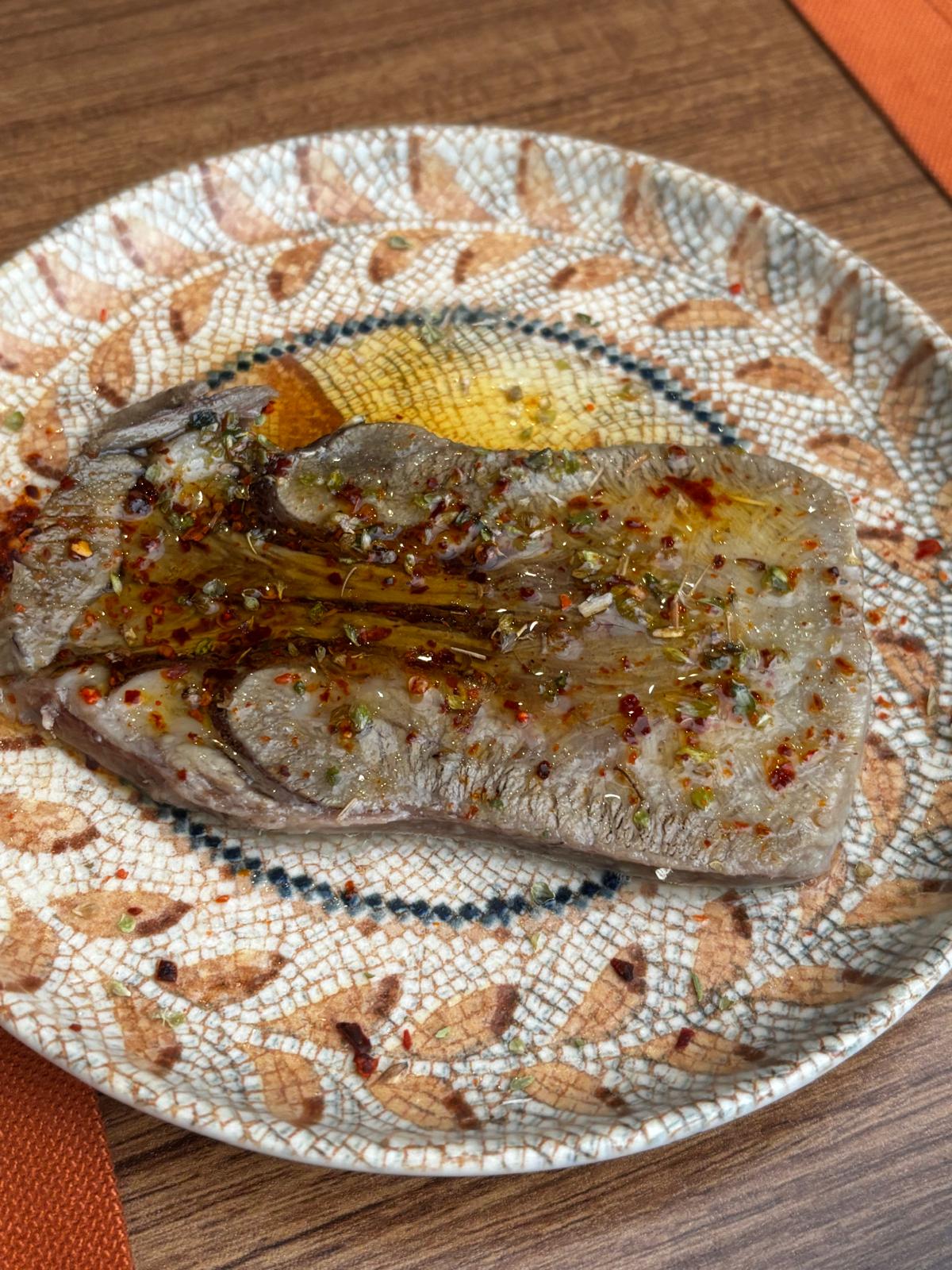
Dana Dil (Tongue)
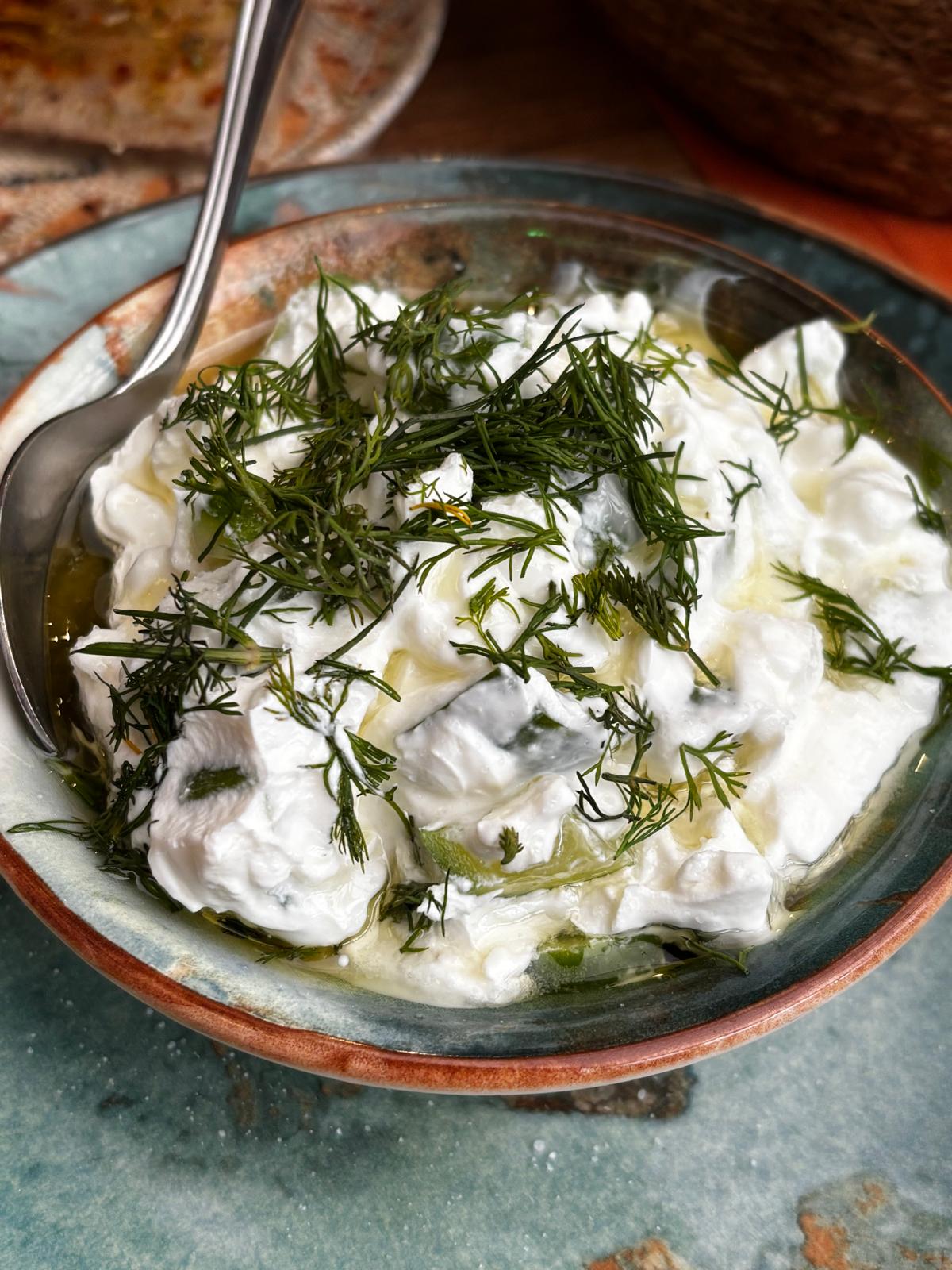
Kuru Cacık (Thick Strained-Yogurt Cacık)
For offal, it was something of a temple: grilled intestines (kokoreç), tongue (dil), sheep’s head (kelle), sweetbreads (uykuluk), tripe (işkembe)…
And when I say tripe, I’m not talking about tripe soup (işkembe çorbası).
I mean tripe with chickpeas (nohutlu işkembe). Tripe stew (işkembe yahnisi).
The kebabs were good too, as was the meat. There were mezes; some very good, some merely decent. But then again, nobody ever went to Birtat because every single meze had to be flawless.
You went there to eat good offal. You went there to eat good meat. And you went there to eat all of it for a reasonable bill.
Roughly halfway between Üsküdar and Kadıköy, it was easy to reach, calm, quiet and, most importantly, it had a personality.
Selimiye Birtat in Koşuyolu has managed to preserve much of that character.
Like every restaurant, it has had its ups and downs. Now, in 2026, I think it is on the way up again. After leaving the business to his son for a period, Mr. Murat has taken over once more and is working to develop it.
And the offal is, once again, very good.
Grilled Intestines (Kokoreç)
Mr. Murat prepares grilled intestines (kokoreç) in two different ways.
One is İzmir style, cut into thick rounds. The other he calls Istanbul style, finely chopped.
Both are very good.
I’m not going to get involved here in the eternal “İzmir-style kokoreç or Istanbul-style kokoreç?” argument. Put a good version of either one in front of me and I’ll eat it.
Birtat serves good versions of both.
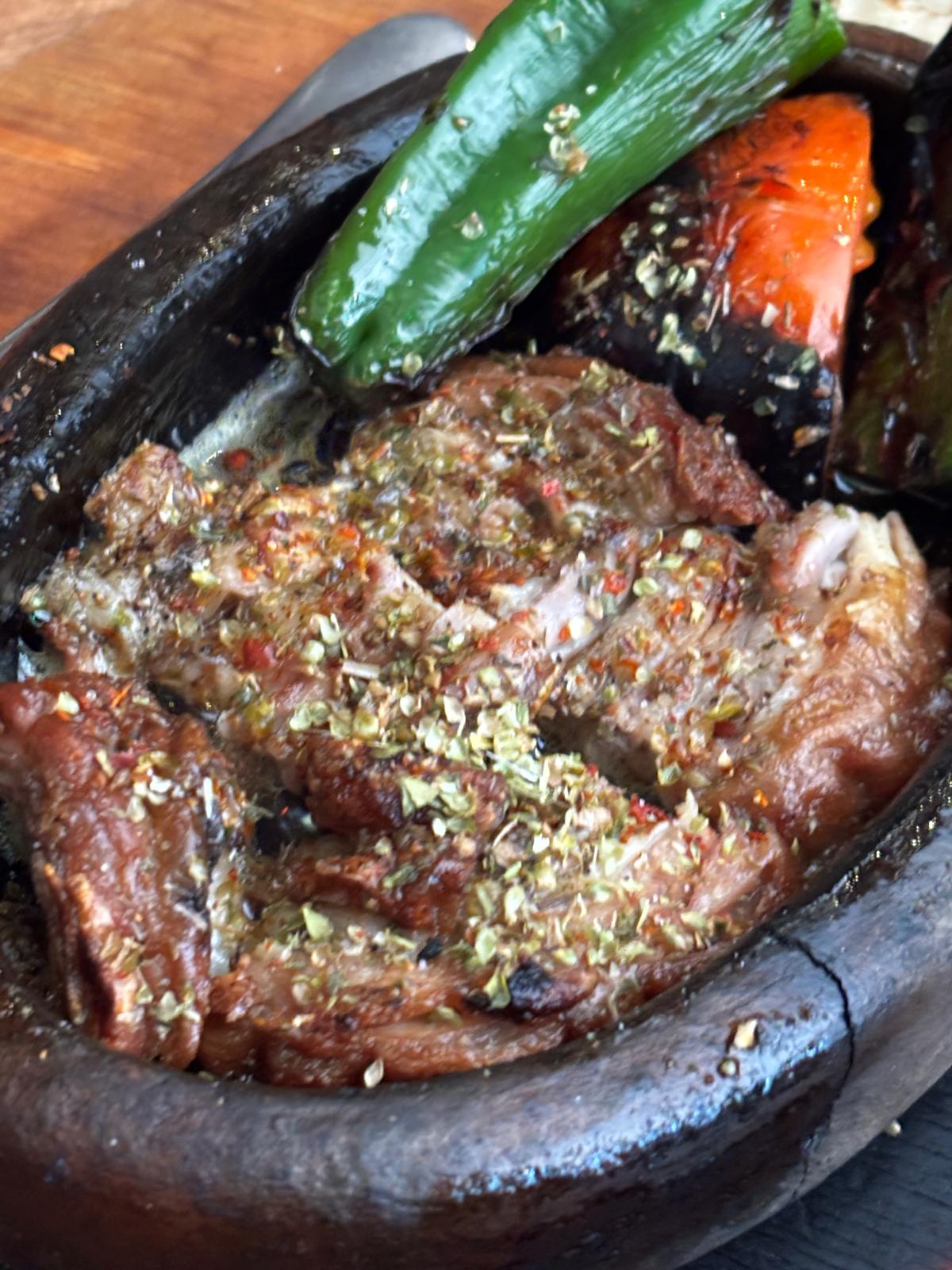
Izmir-Style Grilled Intestines (Kömürde İzmir Kokoreç)
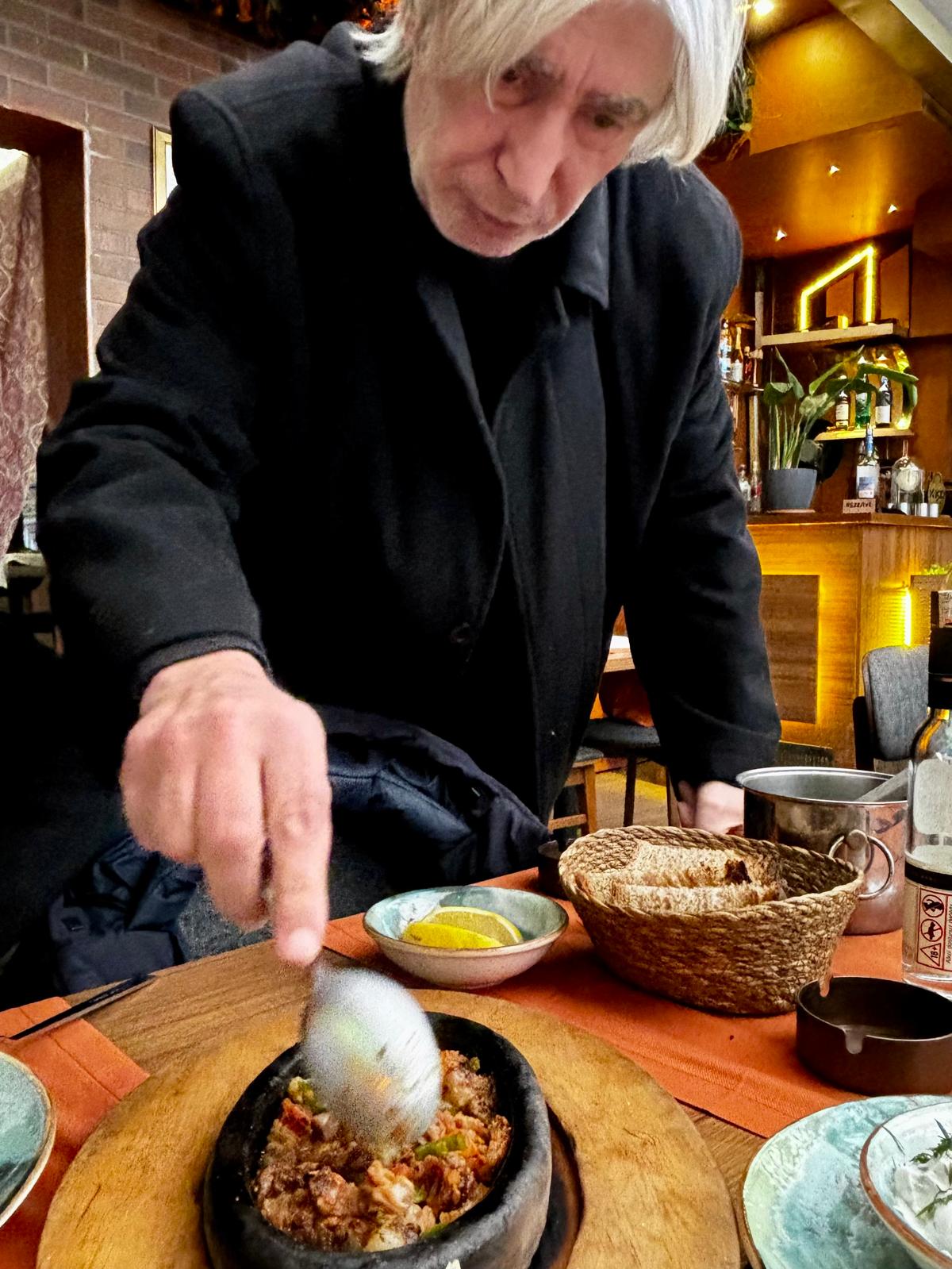
Istanbul-Style Grilled Intestines (İstanbul Usulü Kokoreç)
The sheep’s head (kelle) is another matter altogether. Finding properly prepared sheep’s head in Istanbul has become increasingly difficult. Birtat is one of the few places where you still can.
And when it comes to sweetbreads (uykuluk), Birtat is a reference point for me.
I was born at the end of the Golden Horn, in Alibeyköy. Ten minutes from Sütlüce. Home, once upon a time, to Istanbul’s slaughterhouse.
In other words, at the source of offal…
It has been many years since the itinerant offal sellers pushing their carts through Sütlüce disappeared, but I am still chasing that flavour.
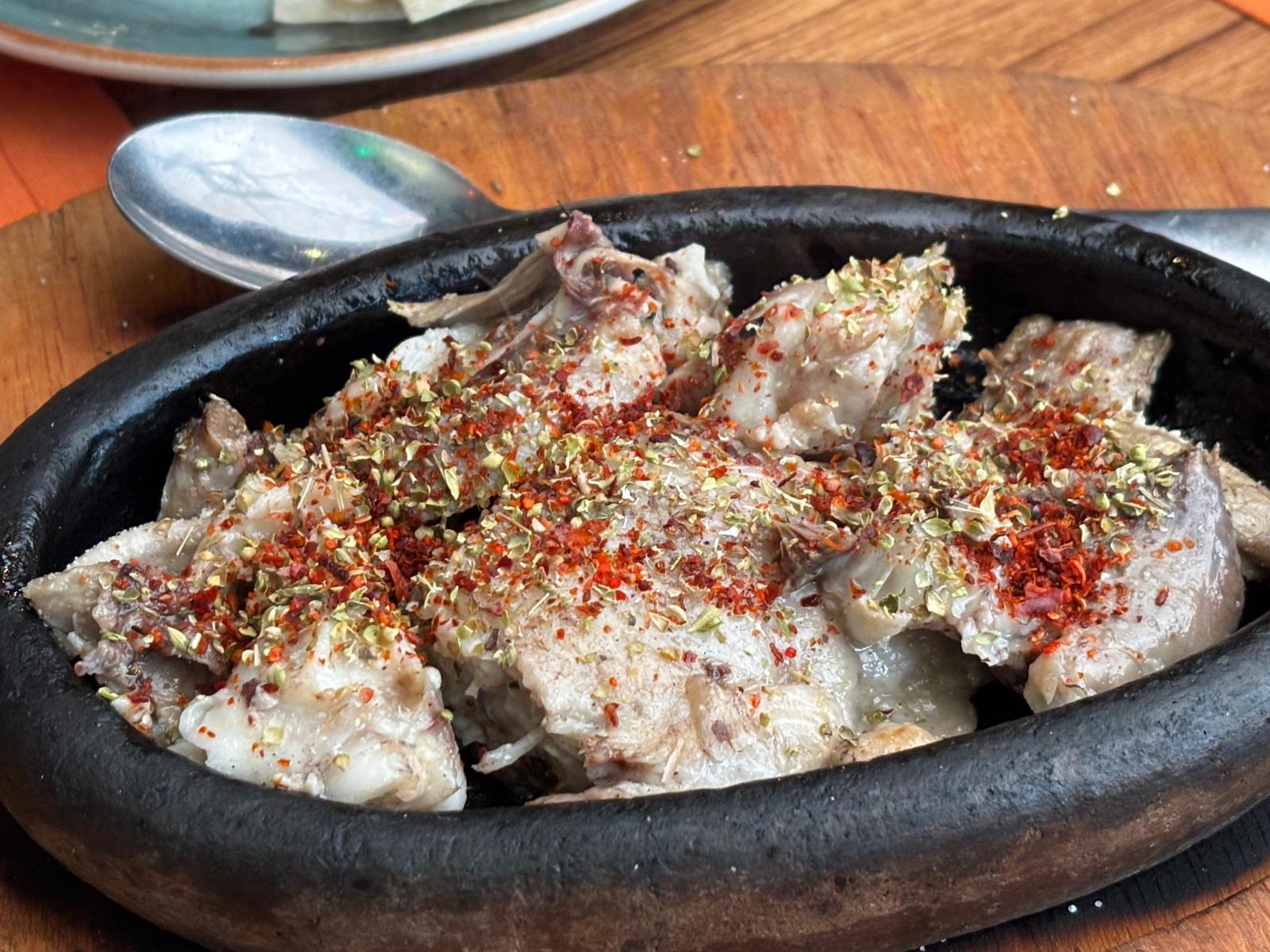
Sheep’s Head (Güveçte Kelle)
The sweetbreads (uykuluk) at Sadrazam Mahmut in Hasköy and the ones at Birtat are among the few that keep the memory of that standard alive.
The membranes have completely rendered away on the grill. Crisp outside. Juicy inside.
And most importantly, they have flavour.
Today, many restaurants in Istanbul serve sweetbreads (uykuluk).
Or rather, the word “uykuluk” appears on many menus.
Let’s not get into what some of those things actually are.
And even among those that really are sweetbreads, a significant number don’t taste like sweetbreads at all.
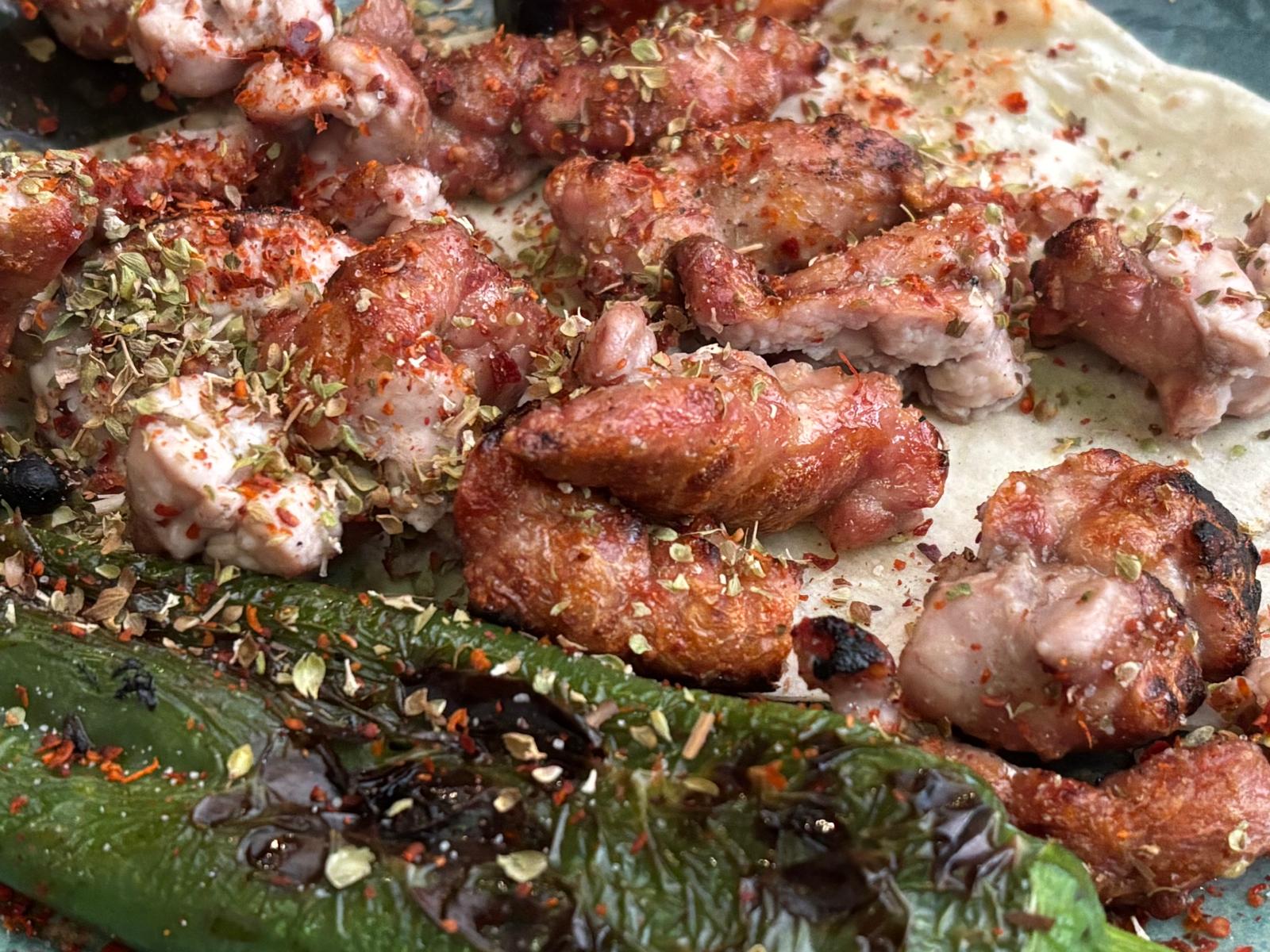
Sweetbreads (Uykuluk)
Cold Sheep’s Brain (Beyin Söğüş)
Another reference dish for me is cold sheep’s brain (beyin söğüş). An extremely simple dish. Boiled sheep’s brain. That’s it.
But with some dishes, simplicity doesn’t make things easier. It makes them harder. Because there is absolutely nowhere to hide.
Clean it properly. Cook it correctly. A little salt. Good olive oil. A little lemon. Vinegar during cooking. Done.
Birtat does it extremely well.
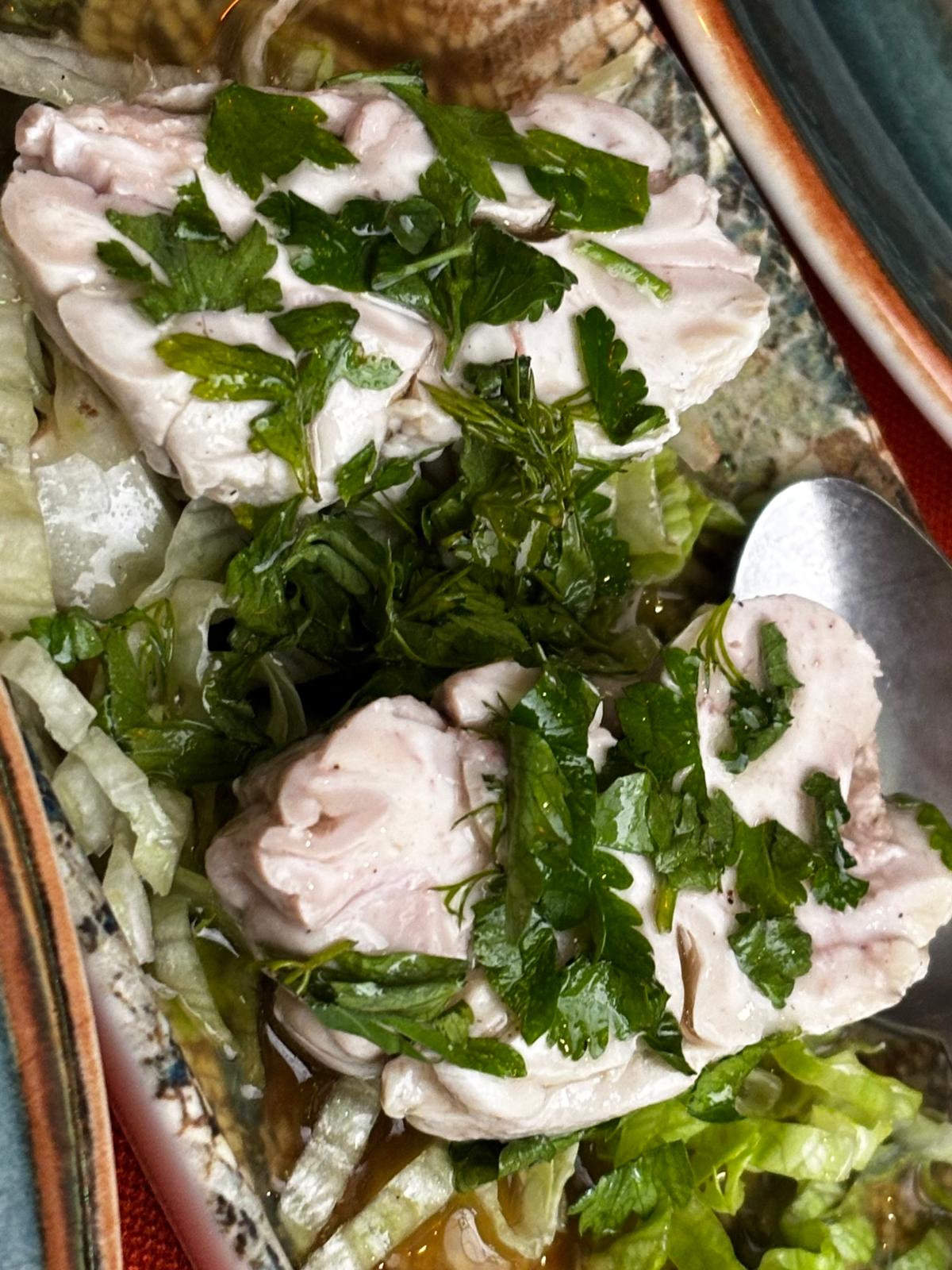
Cold Sheep’s Brain (Beyin Söğüş)
Istanbul and Offal
Offal is fashionable again in Istanbul today. Many restaurants have started putting it back on their menus. Most of it is ordinary.
Increasingly, the better examples are found in chef-driven restaurants. What we ate recently at Alaf İki Tek was excellent. Araf in Kozyatağı also serves some very good examples.
But Birtat is different. Because Birtat did not rediscover offal. It never abandoned it.
For years, it has been feeding a generation, a neighbourhood, and those of us willing to travel from one end of the city to the other in search of good offal.
At the same time, it remains one of the living representatives of Istanbul’s old meyhane culture. Anything else would, in fact, be slightly strange.
Because this is Istanbul.
This is Constantinople.
This is Byzantium.
This is, this is Rome.
The roots of offal in this city run very deep: the culture of refining it, transforming it, and eating not merely the handful of cuts that we have decided to call “valuable,” but the entire animal.
They reach back to ancient Rome, to slaughterhouse workers who were paid with the quinto quarto, the “fifth quarter”, the parts left after the four conventional quarters of the carcass had been accounted for.
Perhaps that is why offal in Istanbul can still be so extraordinarily delicious.
And why, for me, it remains indispensable.
