


From Cairo to World Cuisine
Like most recipes passed down from generation to generation without their traditional form being compromised, ‘ful medammes’ is a dish that emerged from scarcity/poverty.
Fava beans (bakla) are one of the foods generously offered by the Middle Eastern lands—which are kneaded with wars, massacres, rights violations, and never-ending sorrows—to the unfortunate people living there. Regardless of how it is prepared, it has always been the sole friend of the lower classes due to the feeling of satiety it provides throughout the day.
The ful medammes recipe, which is estimated to have originated in Cairo, still holds an important place in the cuisine of almost every country, from the Middle East to North Africa. The characters in the novels of Naguib Mahfouz, one of the most valuable literary figures Egypt has contributed to world literature, eat fava beans almost every day in the mid-20th century. This situation reflects the reality of the geography rather than being a fictional writing style.
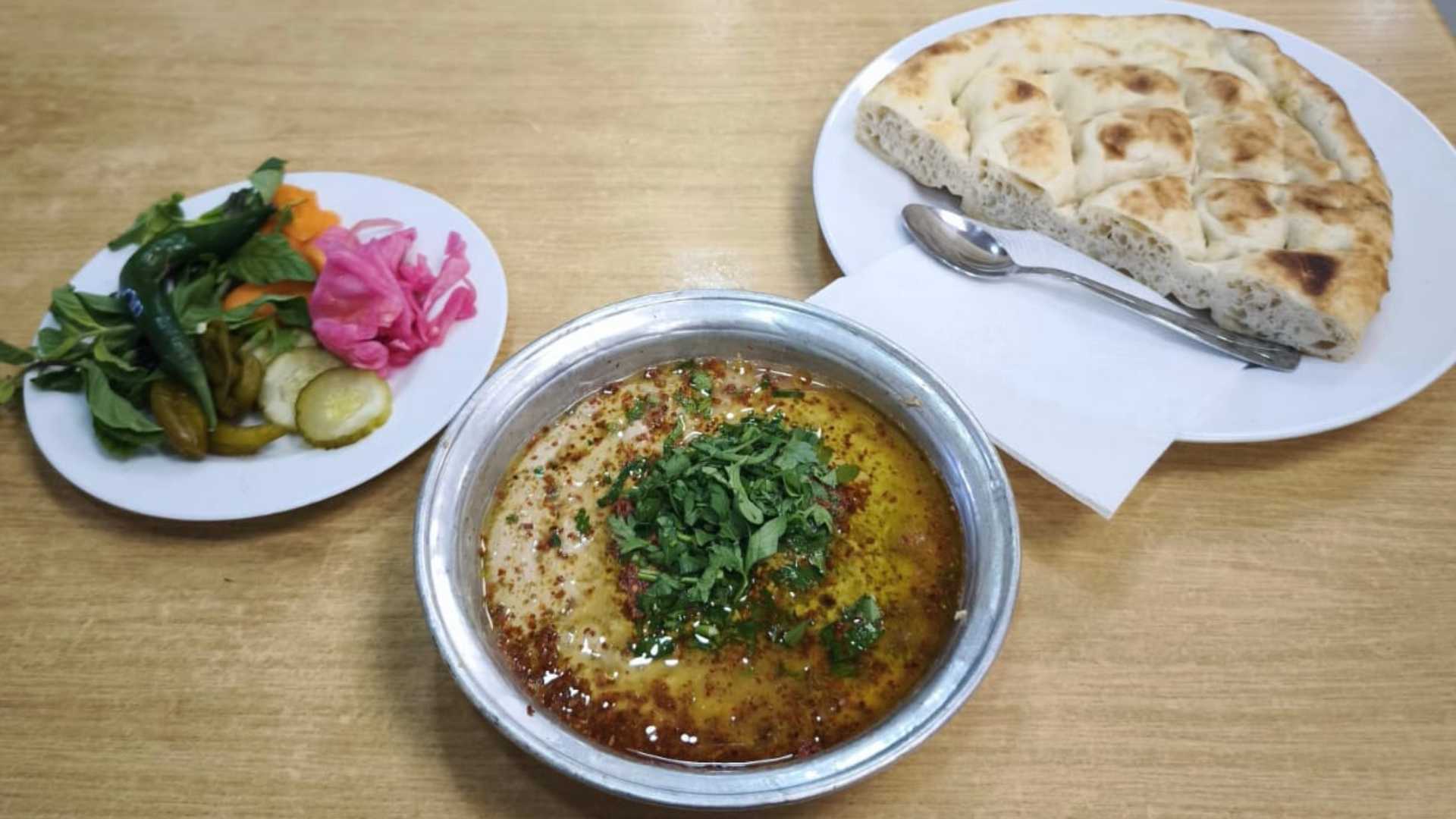
Ful Medammes by Çayırcı Bakla
As a member of an Arab family from Antakya, one of the most vivid memories that appears in my mind when I think of my childhood is the days my father prepared fava beans. The day for making fava beans was decided upon the night before. The next day would turn into a joyful ceremony where all family members would be home, and probably a few relatives would be invited. The fava beans, soaked the night before, are put on the stove in the early hours of the morning to be boiled for a long time. After being boiled for hours, the fava beans are taken off the stove and continue to be left in their own water so their skins can be peeled. In the meantime, the heavy odor emitted by the boiled fava beans permeates the whole house and, despite knowing the delicious outcome, it almost shakes your belief that a tasty meal could come from that smell.
The fava bean kernels are placed in a copper pot and mashed with a wooden pestle until they reach a creamy consistency. Salt, red pepper flakes (pulbiber), and cumin are added to a few cloves of garlic, pounded in a mortar, and then added to the mashed fava beans.
Next, a mixture of olive oil, tahini, and lemon juice is added, and the mixture is made homogeneous, first with the pestle and then with a wooden spoon. To enhance the eating pleasure, a handful of unmashed fava beans, which were set aside, are cut into mini pieces and added to the mixture. This magnificent dish, which is best eaten warm before it completely loses its heat, is served garnished with finely chopped parsley, olive oil, and the same spices.
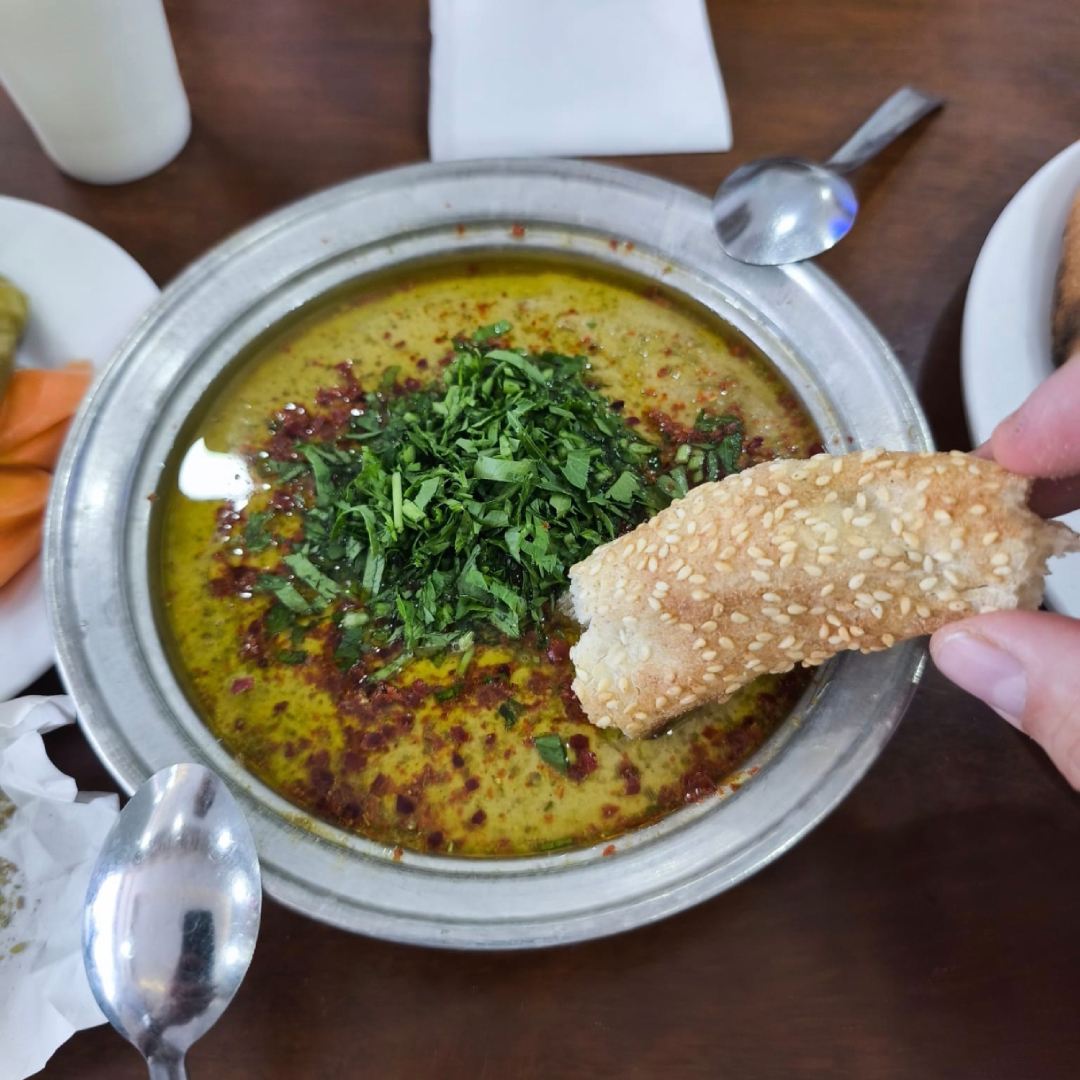
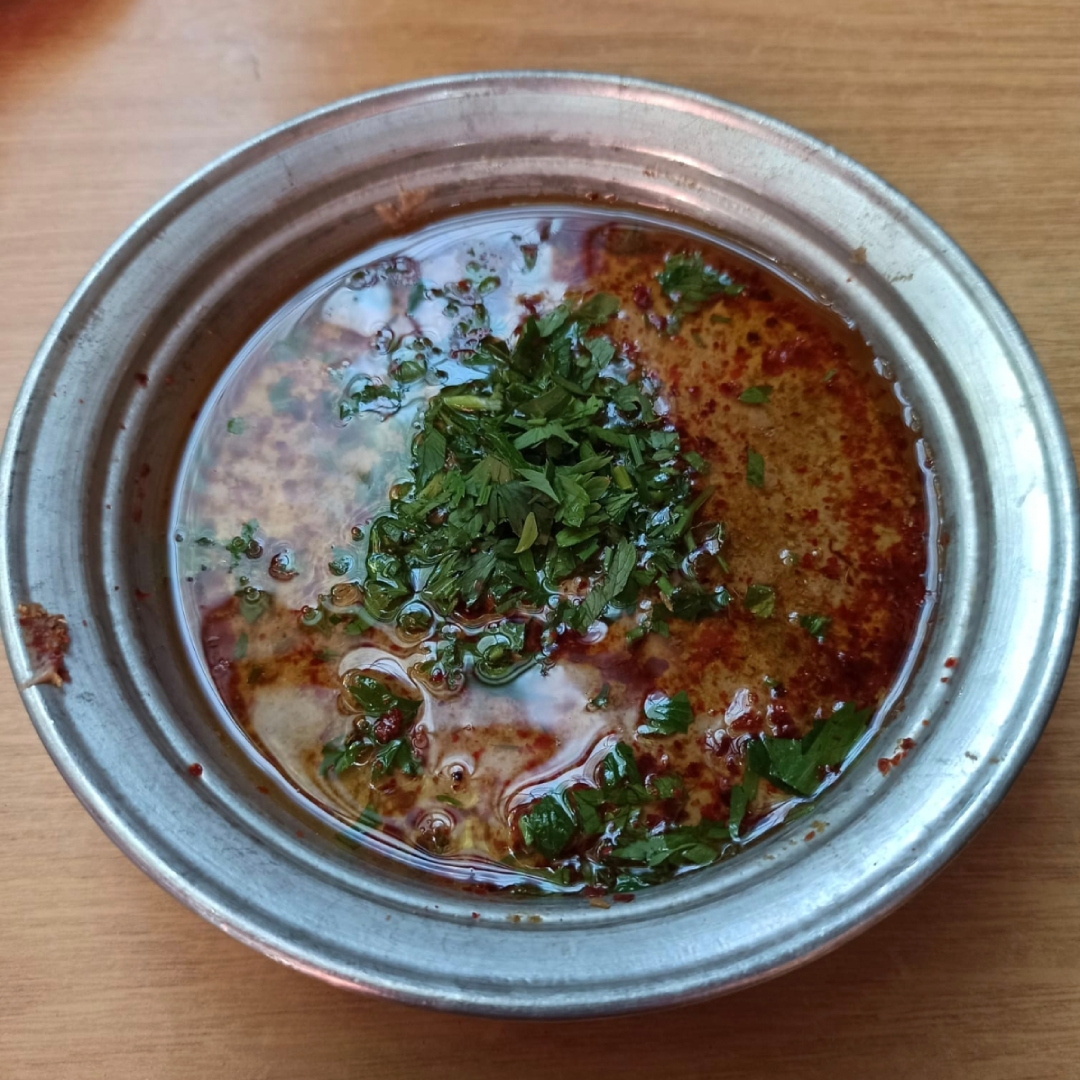
Ful Medammes by Çayırcı Bakla
My father, whom I unfortunately lost at the beginning of this year due to his illness, spent a significant part of his youth in the territories of Syria and Palestine. Ful medammes was a meal he frequently consumed during those years, which were never without financial hardship and tough living conditions. Whenever he made this dish at home, he would mention that Palestinians referred to it as ‘concrete,’ and that it was a kind of wartime meal that allowed one to get through the entire day with just one meal if eaten in the morning.
Çayırcı Bakla
Unfortunately, the Syrian war became the main reason why this dish, which has circulated in Arab cuisine for decades, is known all over the world today. Millions of people trying to escape the spiral of violence migrated to many European countries, especially Turkey. Syrian refugees carried daily consumer goods such as hummus, ful, shawarma, falafel, and brost (fried chicken) to everywhere they went. Many businesses, with readily available producers and customers, whose menus consisted of these products, were established in the cities where they settled. In addition to being low-budget and satisfying meals, the increasing interest in vegan/vegetarian consumption preferences in the Western world carried products like hummus, ful, and falafel to new social circles. Thus, traditional dishes specific to Arab cuisine became a part of world cuisine.
Since Antakya is predominantly a city shaped by Arab culture, it has hosted famous hummus and ful makers since long before the Syrian war.
For example, Uzun Çarşı (Long Bazaar), one of the symbolic areas representing the city’s memory, was visited by thousands of people every day. During market days, meal breaks were generally taken at these tradesmen. Similarly, the industrial zone where the city’s labor force is concentrated is also one of the areas where ful makers cluster.
Çayırcı Bakla’ is one of the best representatives of these tradesmen. He delivers the fava beans to be served the next day in a large copper cauldron to the bread bakery. The fava beans are cooked by simmering in the wood-fired oven, which does not lose its heat until the morning. They are brought to the shop in the early hours of the day and kept in hot water. The fava beans are not prepared in advance; they are pounded with a pestle the moment you order, and all other stages are completed and served warm. And at the moment of the order, Antakya’s distinctive tırnaklı pide (nailed flatbread) arrives piping hot from the wood-fired oven across the street, which produces small amounts of bread throughout the day. In this way, the internationally famous ‘ful’ ritual is flawlessly executed.*
