


Barcelona-Bound, at 2 Tek – Alaf in Istanbul
Summer is coming to an end. The comparison with migratory birds may be an overused one, but this time it really does feel rather apt. Those of us who spend the summer months in Istanbul are slowly beginning to make our way back to Barcelona.
The curious thing is that we somehow fail to get together in Barcelona, only to meet in Istanbul. This time, we met somewhere particularly fitting: at the tiny restaurant of a chef who will soon be moving to Barcelona himself, 2 Tek – Alaf.
Murat Deniz Temel’s Alaf is Michelin Recommended. But recommended or not, for me it is one of Istanbul’s best restaurants. Deniz is a young chef who genuinely knows traditional cuisine and, more importantly, takes it seriously. He knows how to bring traditions together, reinterpret them and modernise them without stripping them of their identity. He has been doing some wonderful things at Alaf for years.
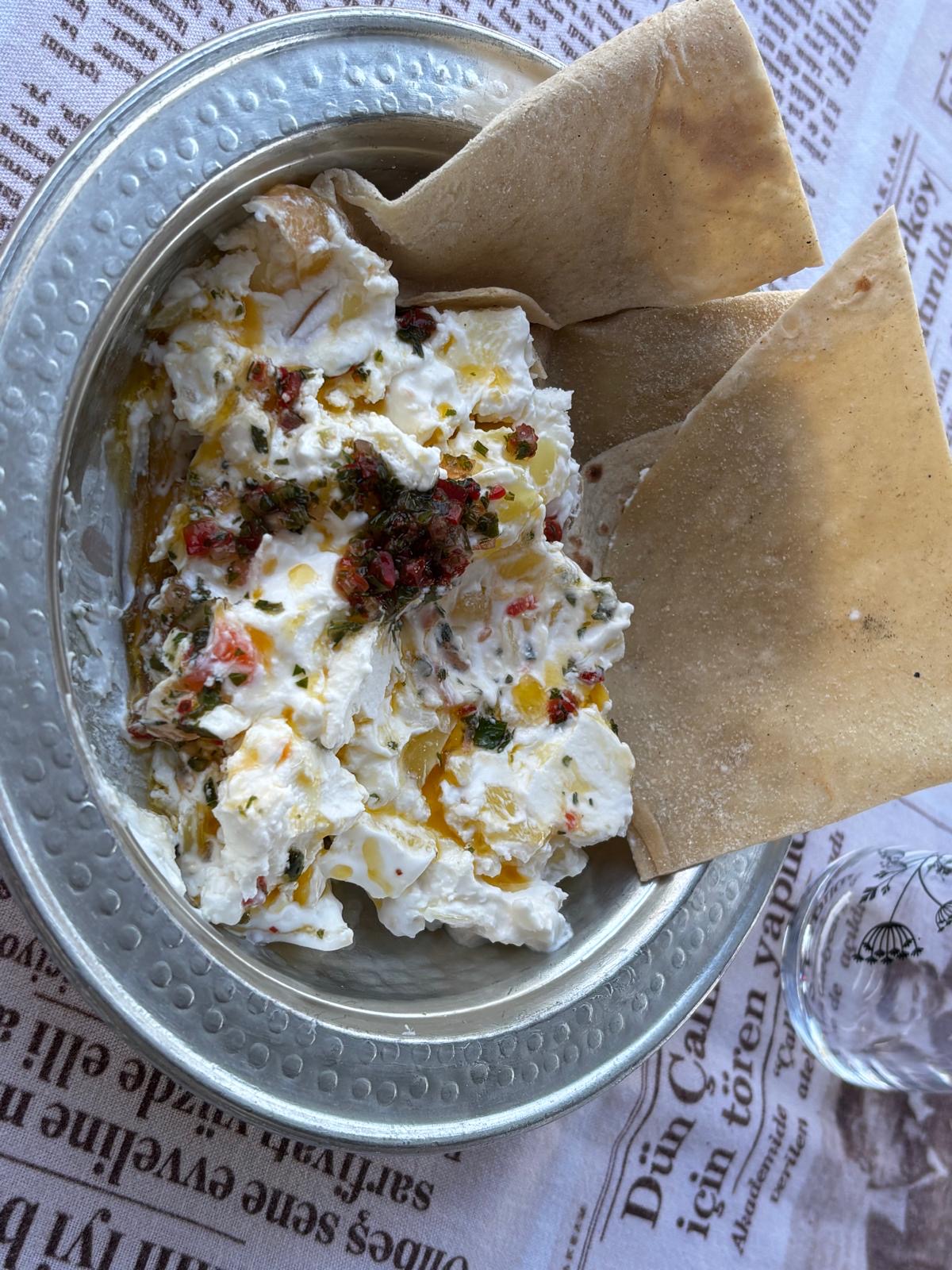
Soka
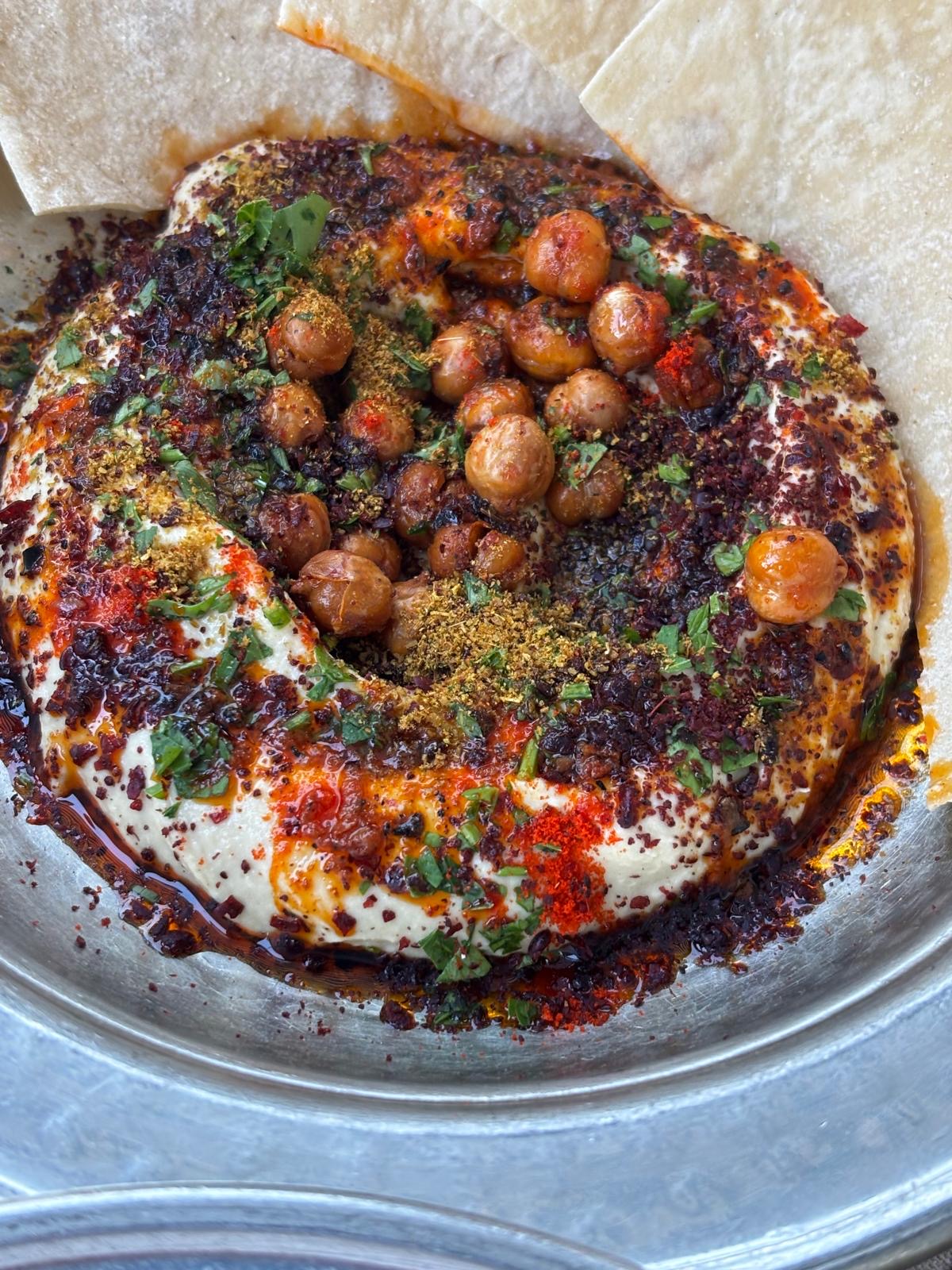
Hummus
Some time ago, he opened a tiny place right on the street: 2 Tek – Alaf.
And that is where we, the Barcelona-bound contingent, met today. Deniz Chef joined our table for a while and told us about Isot, the new restaurant he is currently putting together in Barcelona.
I have little doubt that Isot will be a success. At least as far as the food is concerned, I am prepared to say that already. If he does in Barcelona anything close to what he is doing at 2 Tek – Alaf, it will be a very attractive addition to the city’s dining scene.
The idea behind 2 Tek – Alaf appears almost disarmingly simple: traditional dishes, familiar rakı meze, good ingredients and good food. But doing simple things well is rarely simple. Here, the dishes work beautifully together, the flavours are clear, and everything arrives without disturbing the rhythm of a rakı table.
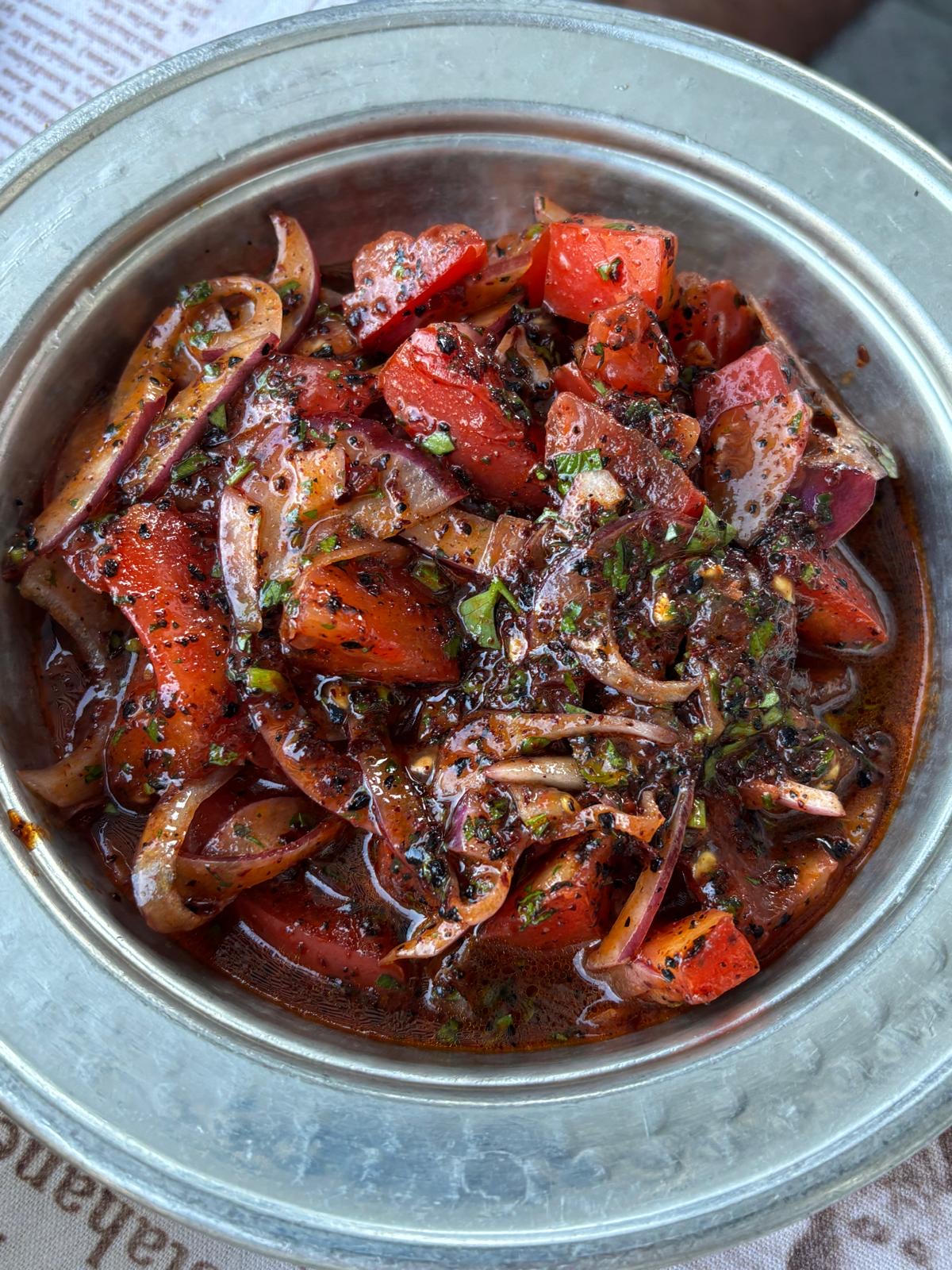
Adana Tablacı Salad
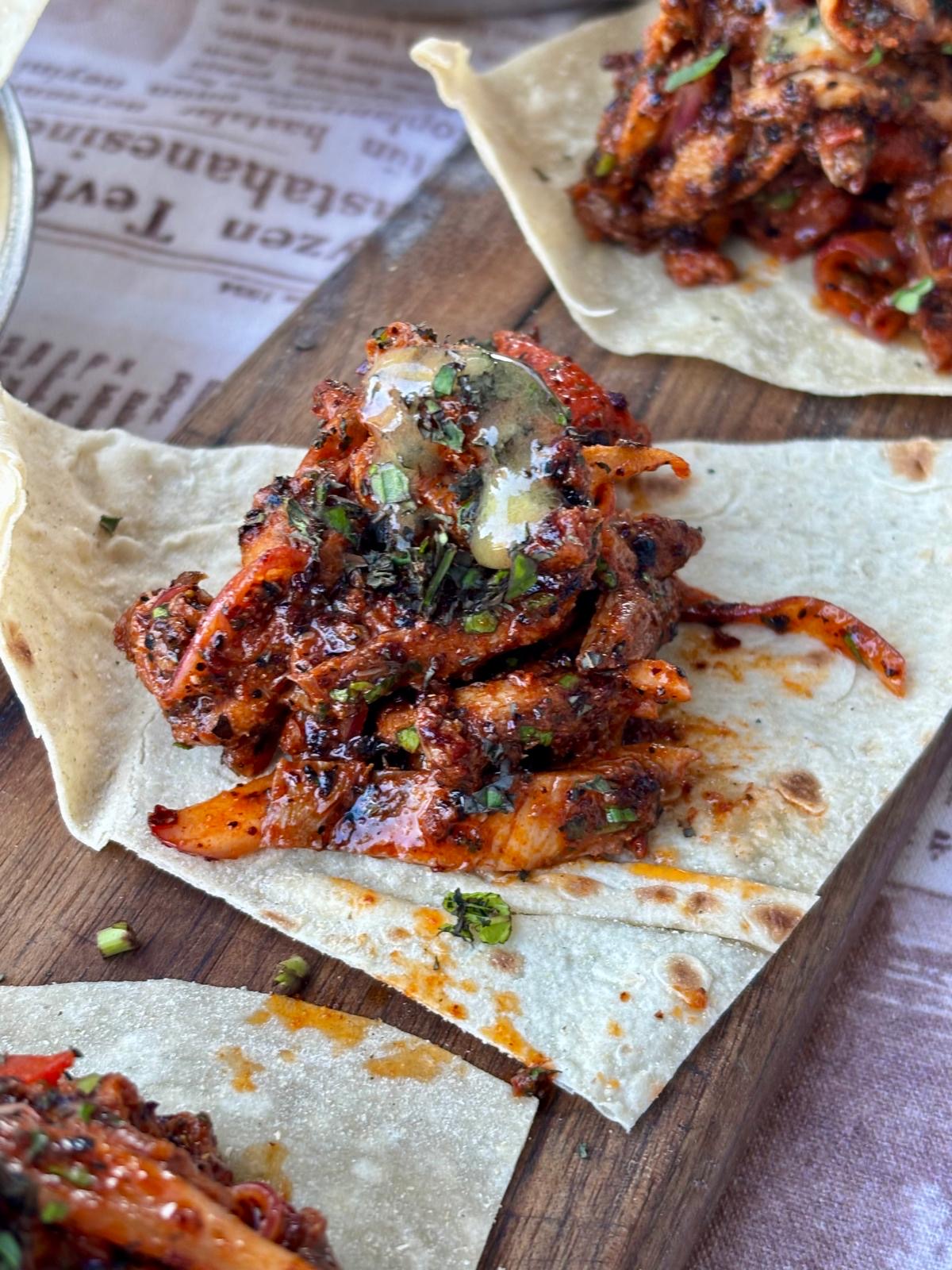
Beef Tongue Salad
It is also remarkably reasonably priced. At a time when eating out in Istanbul — and drinking rakı in particular — has become painfully expensive, 2 Tek – Alaf is genuinely one of those places where you can still sit down and enjoy rakı without regretting it when the bill arrives.
Its only real drawback is the place itself. Tiny and directly on the street, it is not somewhere designed for a long, leisurely evening. More a place to stop for iki tek and move on. Perhaps the name tells you exactly what you need to know.
What We Ate
Soka – Barely ten days earlier, in Ayvalık, I had eaten Aylin Yazıcıoğlu’s wonderful version, almost an exact recreation of the original. Deniz Chef’s soka is rather different: more worked, creamier, with more of his own touch. But it is every bit as delicious. They are different from one another, and both are beautiful. This version, though, is particularly good alongside rakı. In fact, perhaps kaymak is the better word for it. Bosnians themselves often call soka kaymak rather than soka anyway.
Hummus was among the best I have eaten. Proper hummus, not simply mashed chickpeas. The dressing on top was extremely successful too; it was not there merely to make the plate prettier, but actually completed the flavour. No, this is not quite one of those old-school hummus dishes from Antakya’s baklacı shops. But then, even in Antakya, those are almost gone now; perhaps one or two places remain. Still, this was very, very good. Humus like this is not easy to find.
Adana Tablacı Salatası was perhaps the weakest thing we tasted. Or maybe everything else was so strong that it simply found itself a little abandoned on the table.
Dana Dil Salatası — Beef Tongue Salad — felt a little too busy, a little too complex. The tongue itself had disappeared somewhere inside the dish. It was by no means unpleasant; quite the opposite. Bite after bite was delicious, the sort of thing you instinctively keep eating. But when you order tongue, you also want to taste the tongue. That expectation was not quite met here.
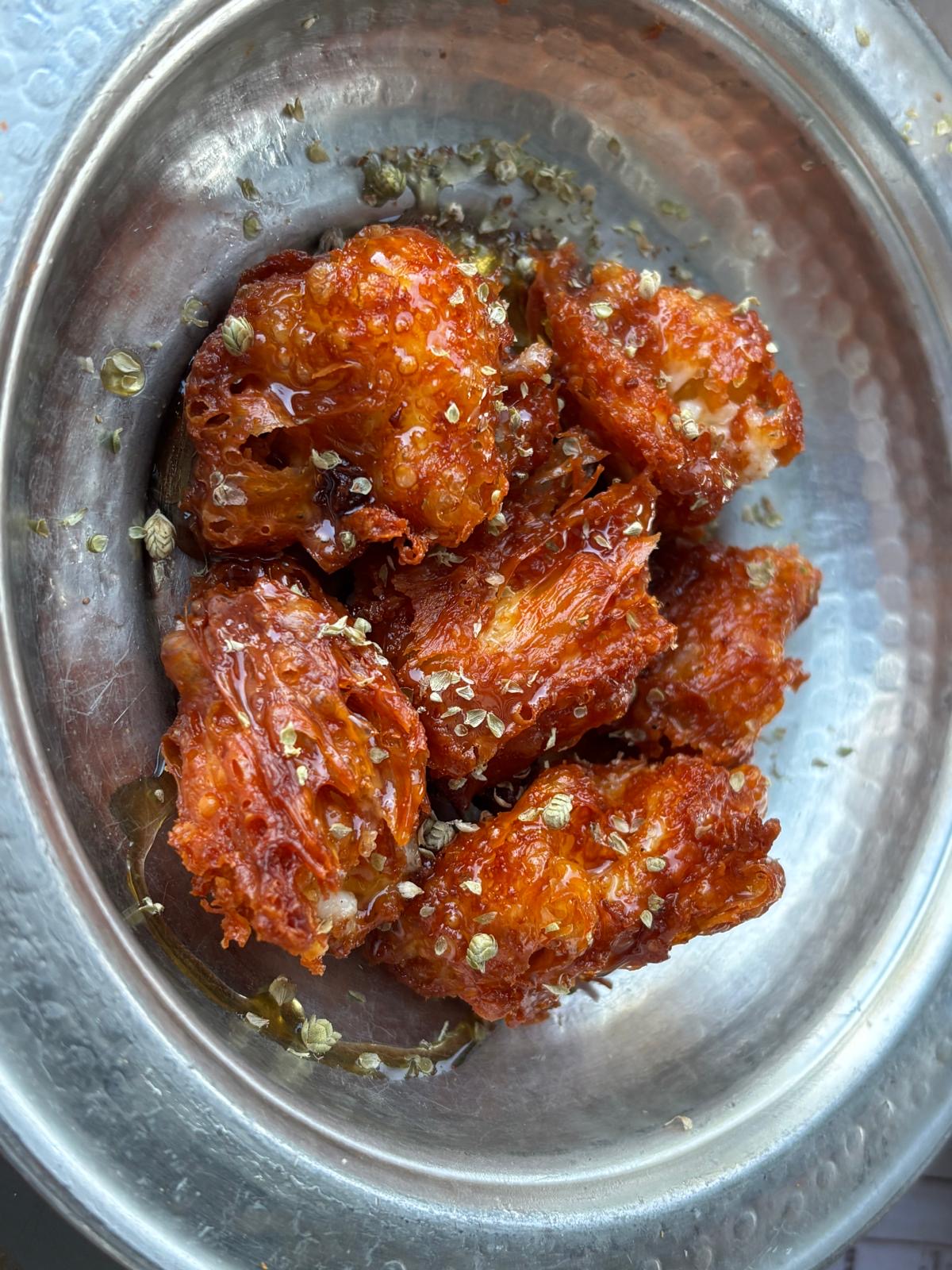
Antakya-style Boiled Cheese
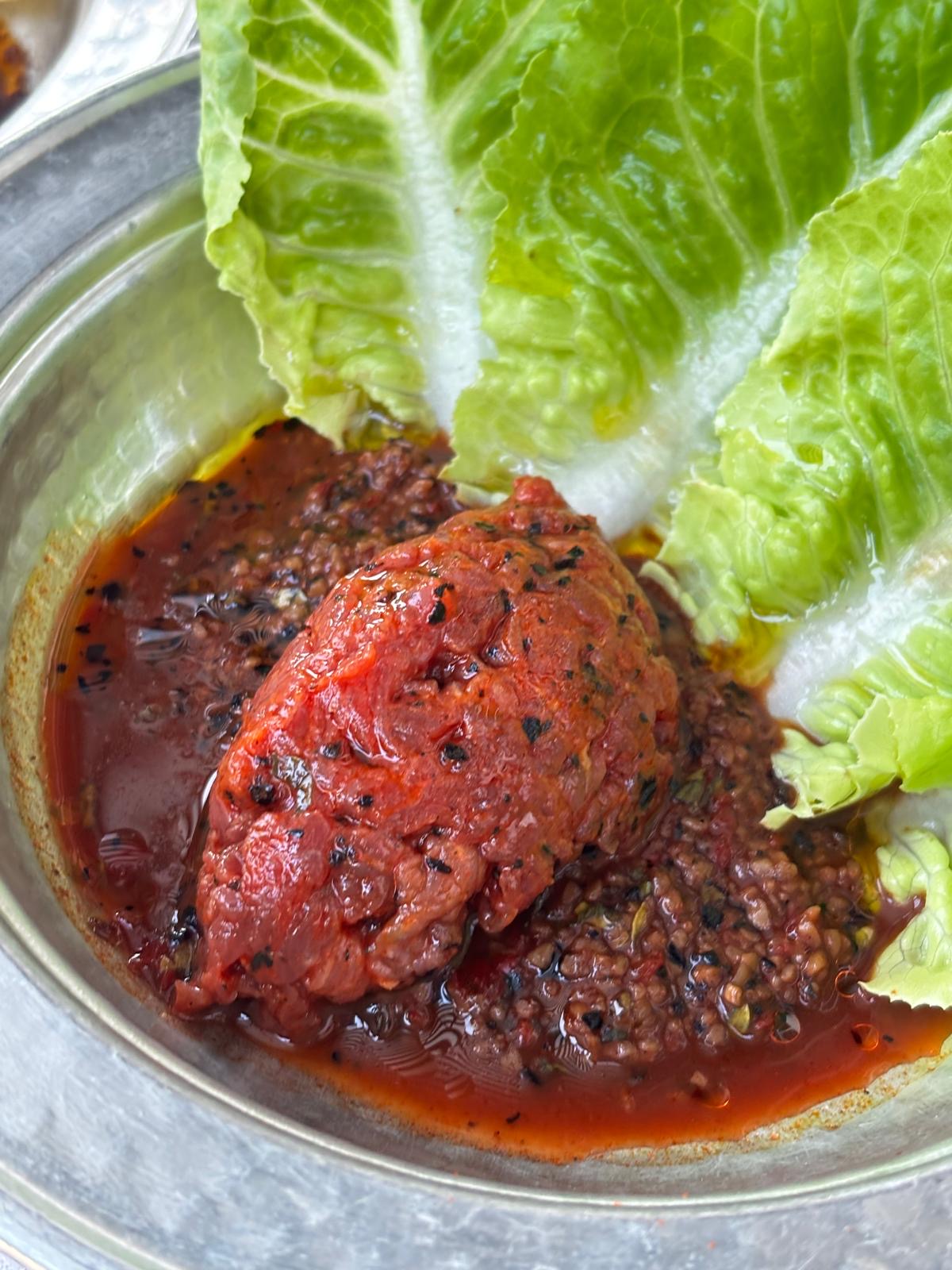
Çiğ Köfte
Antakya Haşlama Peyniri — Antakya-style boiled cheese. Despite the name, here it arrives fried. It was superb. The crisp exterior, the flavour of the cheese itself and the additional depth brought by frying… It disappeared almost as soon as it hit the table.
Çiğ Köfte was a little performance in itself. It was mixed at the table and then eaten on tiny lettuce leaves. The presentation was so impressive that it almost overtook the flavour. And sometimes that is perfectly fine. It provided a small piece of theatre at the table, and a thoroughly enjoyable one.
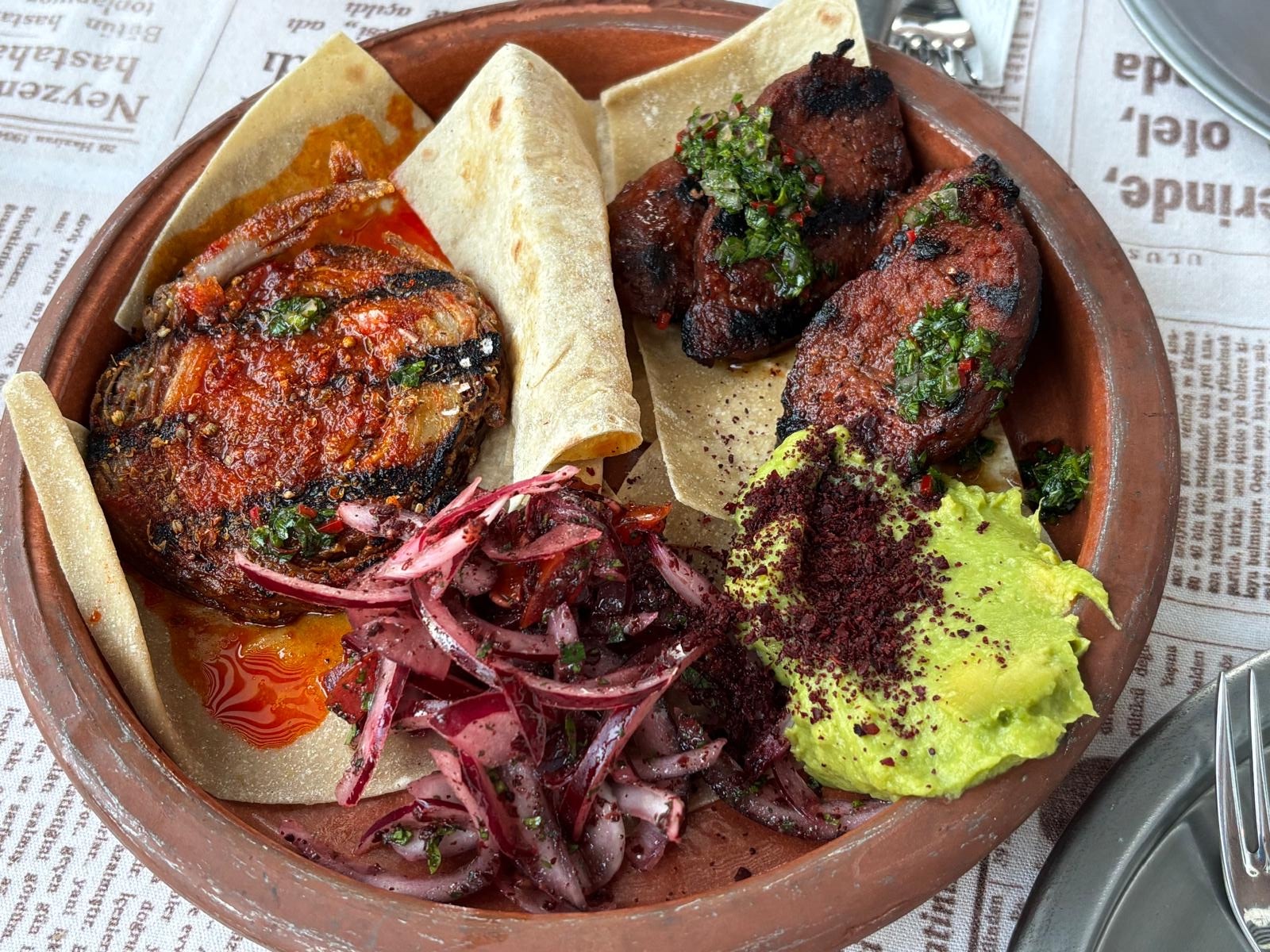
Izmir-Style Kokoreç (left) and Camel Sucuk from Aydın (right)
Aydın Deve Sucuğu — Camel Sucuk from Aydın — was, well, sucuk. Good sucuk. I cannot say that I detected anything in the flavour that made the fact that it was camel particularly significant. But it was a good, well-made, tasty sucuk nonetheless.
İzmir Usulü Kokoreç – Izmir-Style Kokoreç was also very good. It had the misfortune, however, of arriving only a week after the kokoreç I had eaten at Söğüşçü in Ilıca, which was still very much on my mind. It was not at that level. Taken on its own terms, though, this was still a very successful kokoreç.
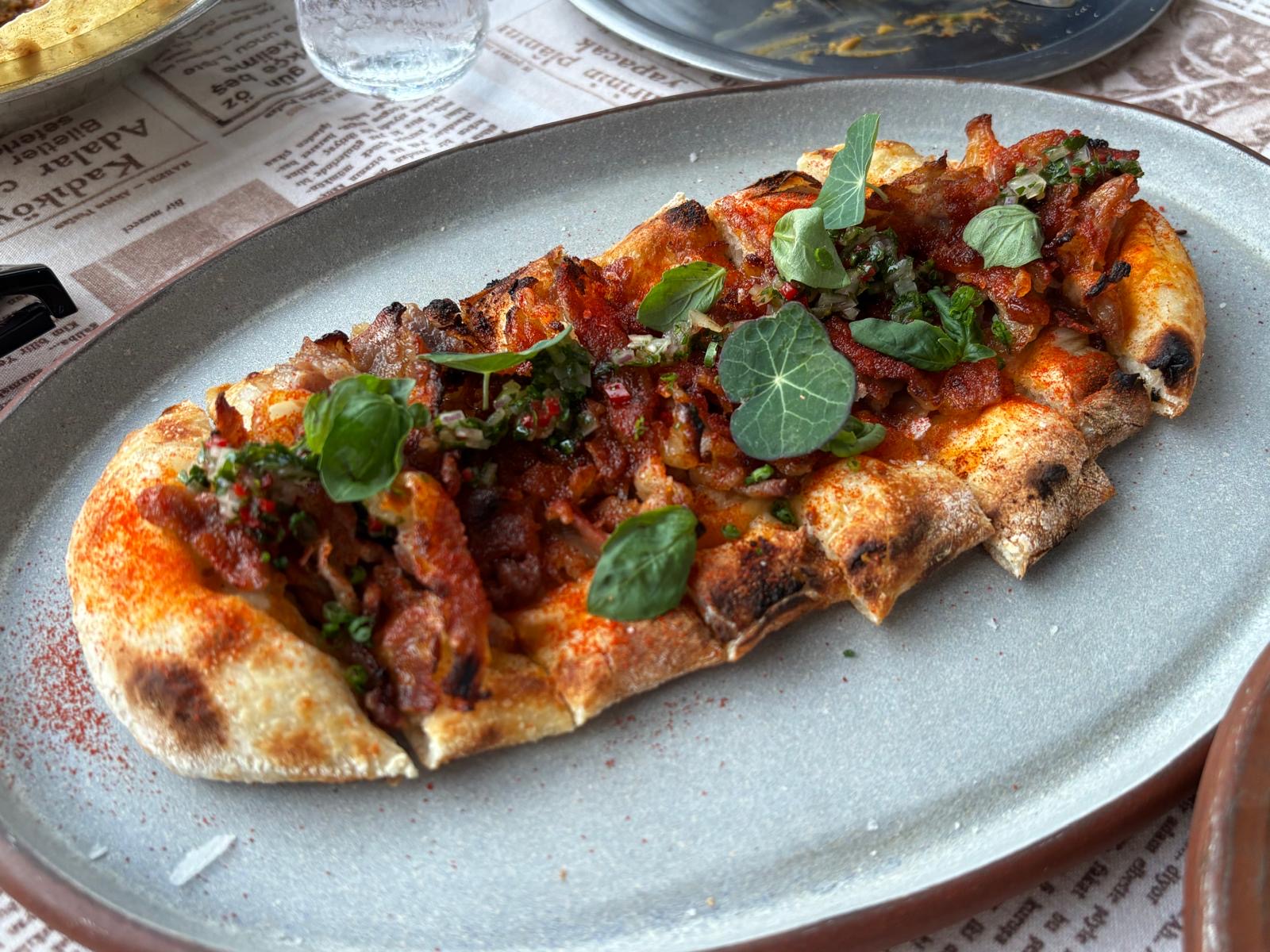
Pide with Smoked Lamb Ribs
And then came the finale.
Sent down from Alaf upstairs by Deniz Chef, the İsli Kuzu Kaburgalı Pide — pide with smoked lamb ribs — arrived with herbs alongside it and immediately rose above everything else on the table.
This was on another level.
It is not something that needs rakı beside it, nor something designed merely to accompany the rest of the table. You forget about the rakı altogether.
“Now, this is food.”
And sometimes that is exactly what one needs. Summer coming to an end, Barcelona waiting, and before heading back, iki tek in Istanbul.
