


A Refuge for the Working Class
Bodega, which means cellar or wine cellar in Spanish, holds a prominent place in Spain’s urban culture as a space for food and drink. Though today it may be viewed as a charming venue tied to tourism or contemporary leisure, its origins and evolution are deeply intertwined with the country’s historical and social fabric.
Far from being merely a place for selling wine or hosting casual gatherings, the bodega historically served as a cornerstone for nourishment, social engagement, and the identity-building of urban working-class communities.
The rise of urban bodegas in Spain, particularly during the late 19th and early 20th centuries, coincided with the growth of cities driven by industrialization. Barcelona, Madrid, and other major urban centers saw waves of rural migrants seeking work in factories, which fundamentally altered the dynamics of city life. Long working hours, harsh conditions, and the need for accessible, affordable spaces to eat and socialize created the perfect environment for bodegas to emerge.
In this context, the bodega served a dual purpose. On one hand, it provided nourishing meals and drinks at low prices to meet the dietary needs of workers. On the other hand, it offered a space for relaxation and social connection, allowing people to briefly escape the hardships of their daily lives. Often located in working-class neighborhoods close to factories and workshops, bodegas were conveniently accessible to their primary clientele.
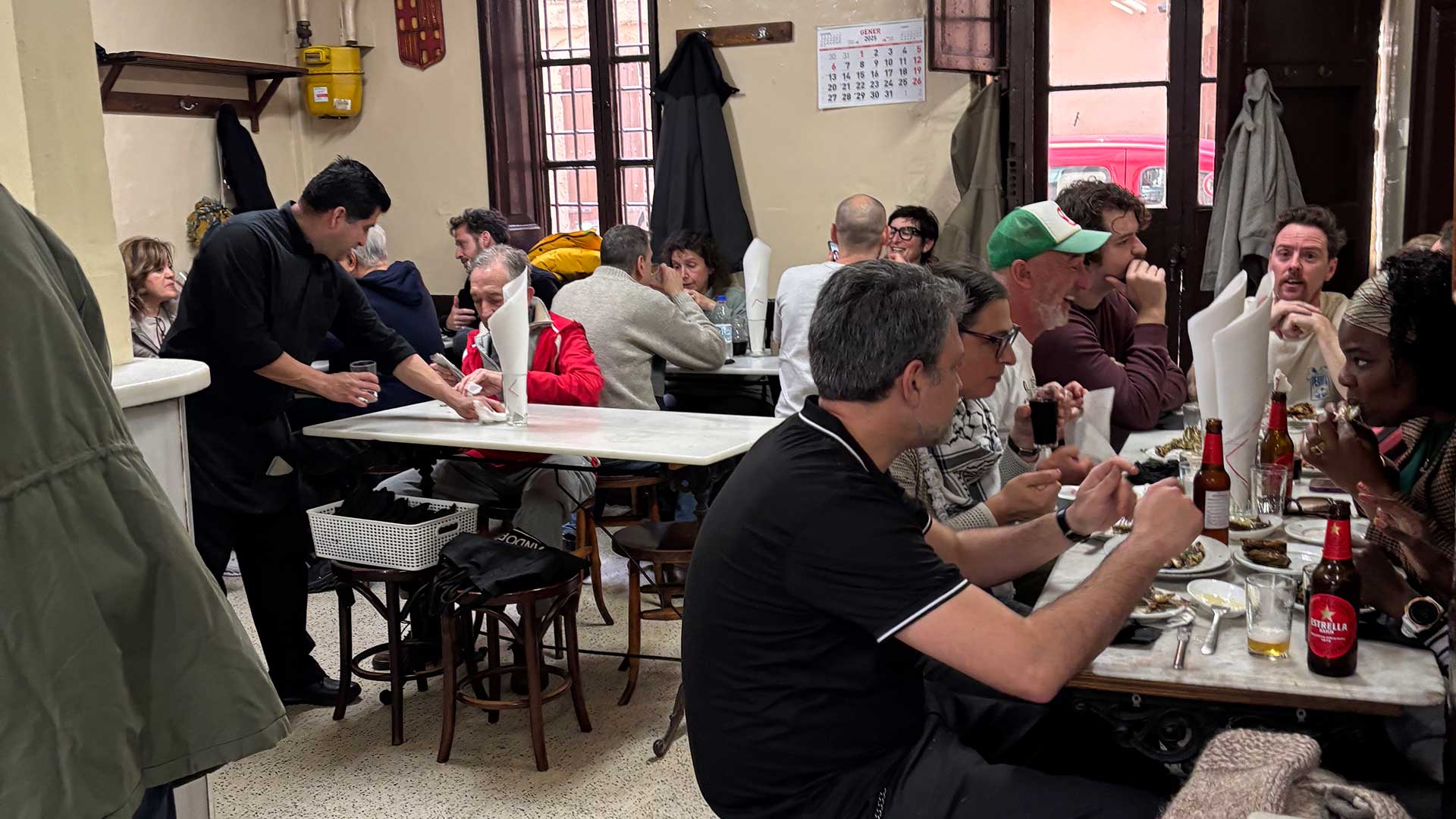
Historically, especially during the late 19th and early 20th centuries, it was common for customers to bring their own food to bodegas, while purchasing wine or other beverages exclusively from the establishment. This practice was particularly prevalent among the working class and families with limited budgets.
Bodegas often served as social spaces where homemade meals were enjoyed alongside affordable wines. This tradition was especially common in urban centers or areas with a high concentration of workers. Wine and vermouth were the primary sources of income for these establishments, and customers were generally expected to buy their drinks directly from the bodega.
While this custom emerged out of economic necessity, it also contributed to strengthening social bonds. People shared family recipes and spent time together in a communal setting. However, as times changed and bodegas modernized, this practice gradually disappeared, giving way to establishments offering professional kitchen services.
Beyond Nutrition: The Cultural and Social Role of the Bodega
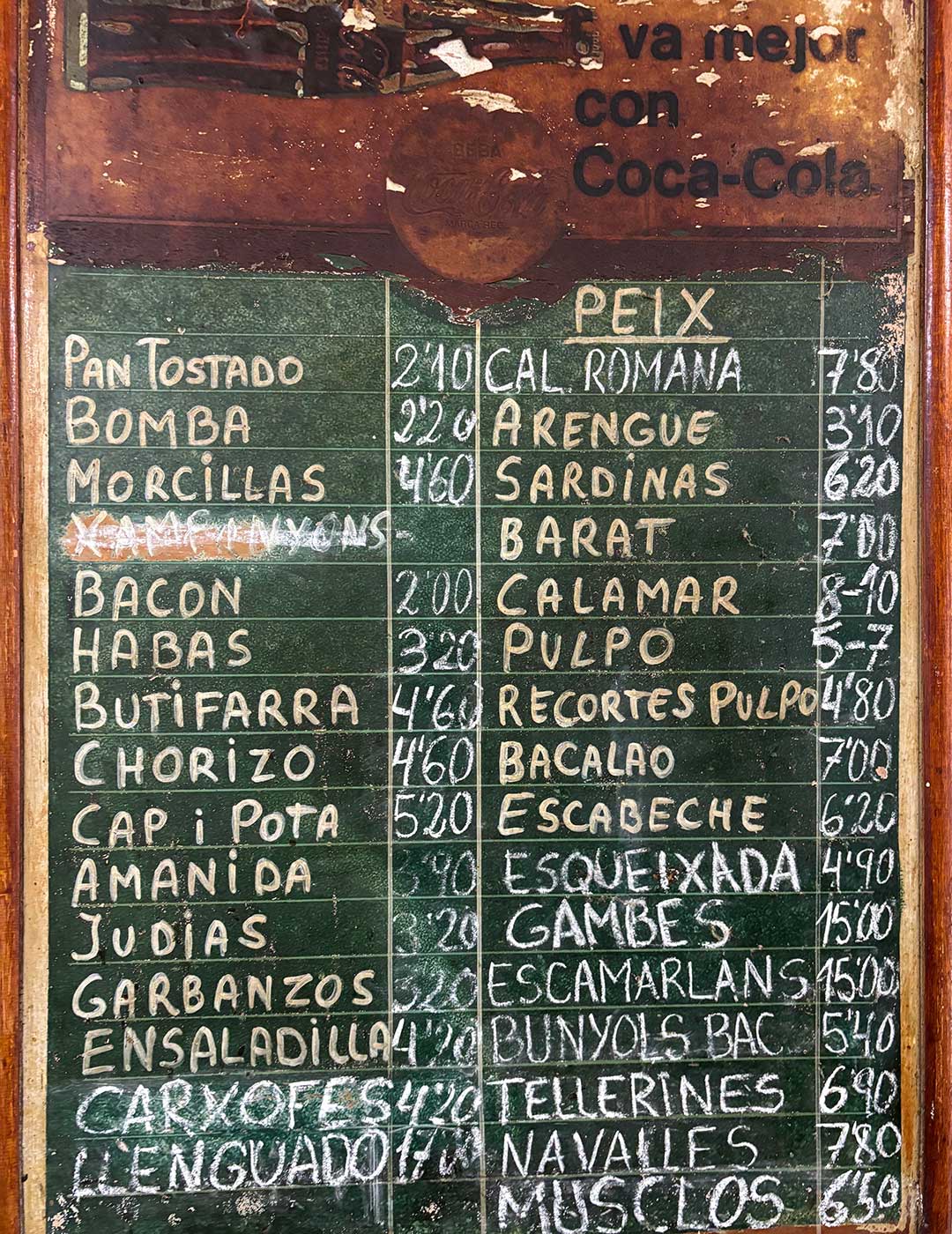
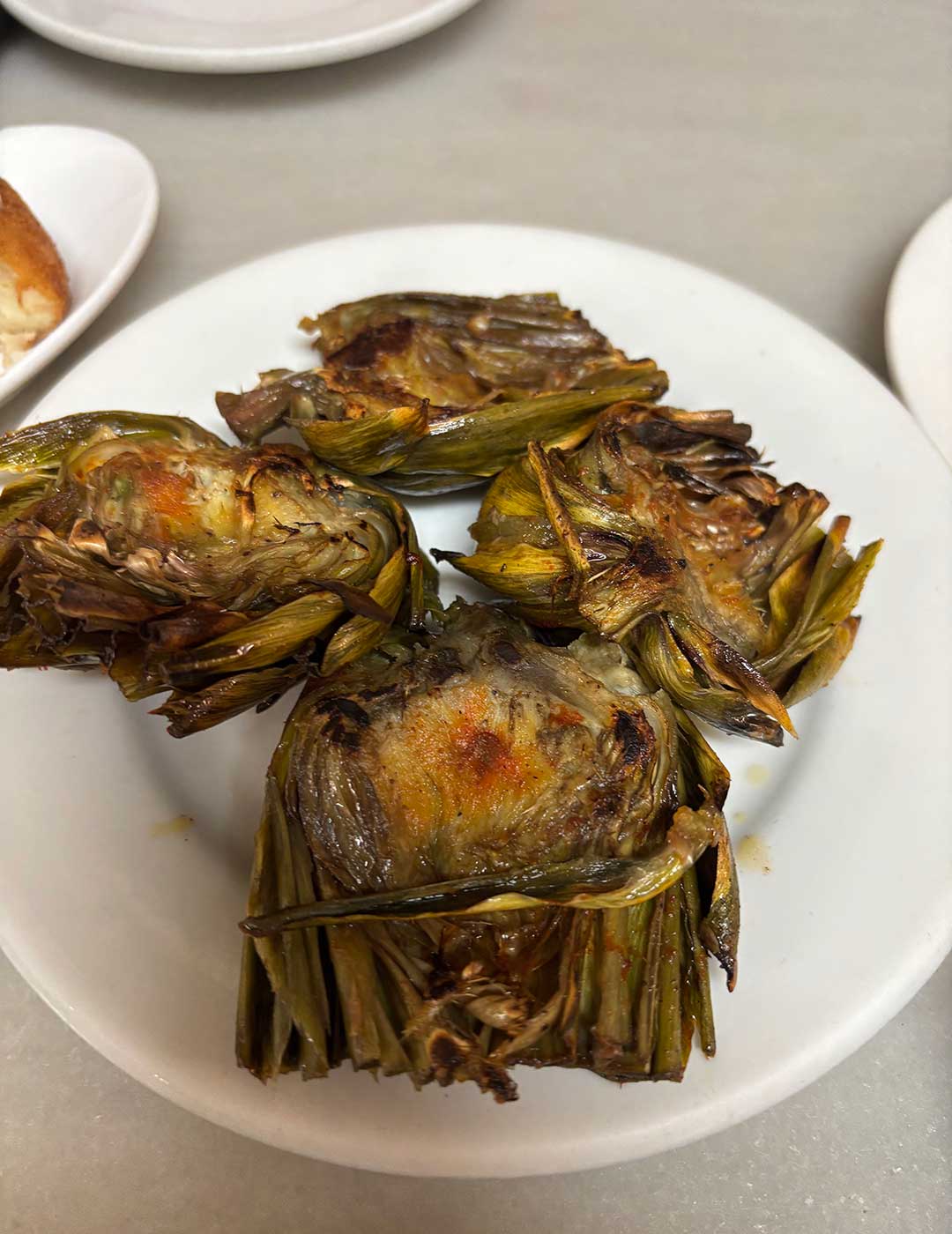
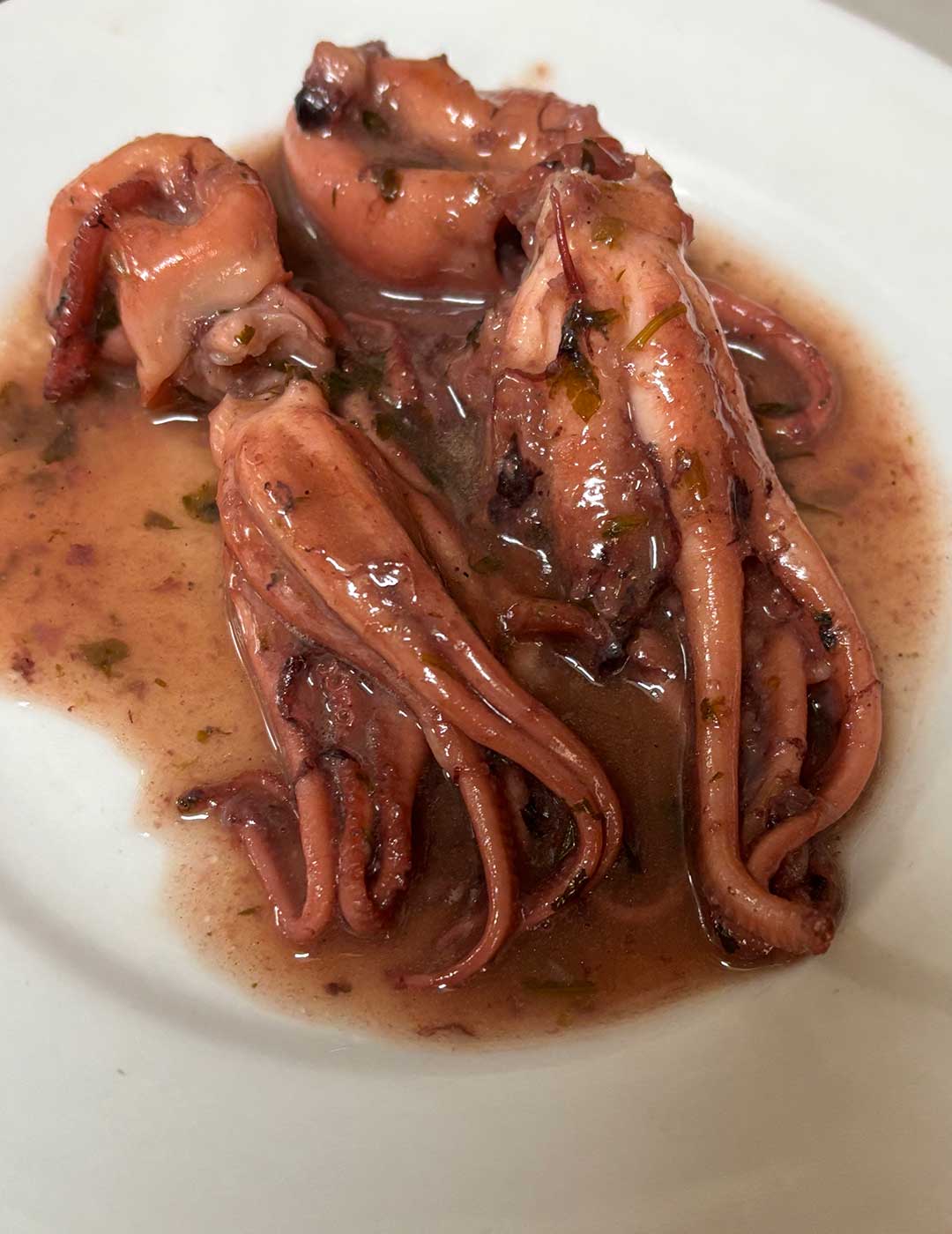
The bodega was far more than just a spot for drinking alcohol, as it might be perceived today. It was a space where simple yet hearty meals were served, tailored to the physical demands of labor-intensive jobs. Dishes such as stews, pickled foods, legumes, and inexpensive cuts of meat were served in generous portions, accompanied by wine or vermouth, ensuring workers received the necessary caloric intake for their demanding routines.
The bodega can be seen as a microcosm reflecting the social dynamics of Spanish cities. These spaces adapted to the needs of working-class communities, providing not just food and drink but also a sense of belonging. The unique aesthetics and functionality of bodegas — with their barrels, tiled floors, and the distinctive aroma of wine and stew — created an atmosphere that remains etched in collective memory.
Sociologically, bodegas helped shape the identity of urban working-class communities. In times of economic hardship, they offered access to nutritious food and spaces for interaction that strengthened social bonds. Furthermore, bodegas played a role in intergenerational transmission of traditions, ensuring the continuity of culinary and social practices amidst changing times.
The food offered at bodegas also preserved traditional culinary practices in an urban environment that often distanced migrants from their rural roots. These meals were deeply tied to local, popular cuisine, turning bodegas into places where culinary traditions were maintained and adapted.
Bodegas were not merely places to eat and drink; they were spaces where community life thrived. The layout — shared tables, barrels used as makeshift counters, shelves filled with bottles — encouraged interaction.
These establishments fostered a spontaneous and egalitarian sociability that stood in stark contrast to the hierarchical and isolating nature of factory life.
In bodegas, conversations ranged from everyday problems to political debates. During periods of social unrest, such as the Spanish Civil War or the Franco dictatorship, bodegas sometimes became discreet hubs for political resistance or for preserving cultural traditions. In regions like Catalonia, where repression of language and culture was particularly intense, bodegas served as informal spaces for safeguarding identity and heritage.
A Conclusion: The Transformation of the Bodega
The rise of bodegas was closely tied to the consumption of bulk wine, a staple in the Spanish diet since Roman times. The tradition of pairing wine with meals endured for centuries, and urban bodegas initially functioned as direct distribution points for wine from production areas. In Barcelona, for example, the Penedès region played a key role in supplying local bodegas.
Over time, however, the function of bodegas began to change. During the second half of the 20th century, the rise of supermarkets, changing food consumption habits, and the modernization of cities led to the decline of bodegas as daily life hubs. Many closed down or adapted to focus more on leisure, becoming vermouth bars or modernized dining venues.
Bodegas were far more than simple wine shops or occasional leisure spots. For decades, they were essential to the nutrition and social life of Spain’s urban working class. While many bodegas have since disappeared or been reinvented, their legacy endures as symbols of community, resilience, and tradition. Their history invites us to reflect on how urban spaces shape culture, sociability, and ways of life across different historical moments.
Today’s Bodegas in Barcelona
Barcelona is renowned for its unique bodegas, which embody traditional Catalan cuisine and the region’s rich beverage culture. Establishments like Bodega Fermin, Bodega La Riera, Bodega Montferry, Bodega E. Marín preserve this legacy by offering classic tapas alongside wine, vermouth, and, more recently, craft beers.
And also one of the most popular ones such as La Cova Fumada and Bodega La Palma while sharing a similar heritage with these bodegas, distinguishes itself with a food-centric philosophy, carving out a unique identity in Barcelona’s vibrant gastronomic scene.
La Cova Fumada:
A Traditional Bodega with a Culinary Focus
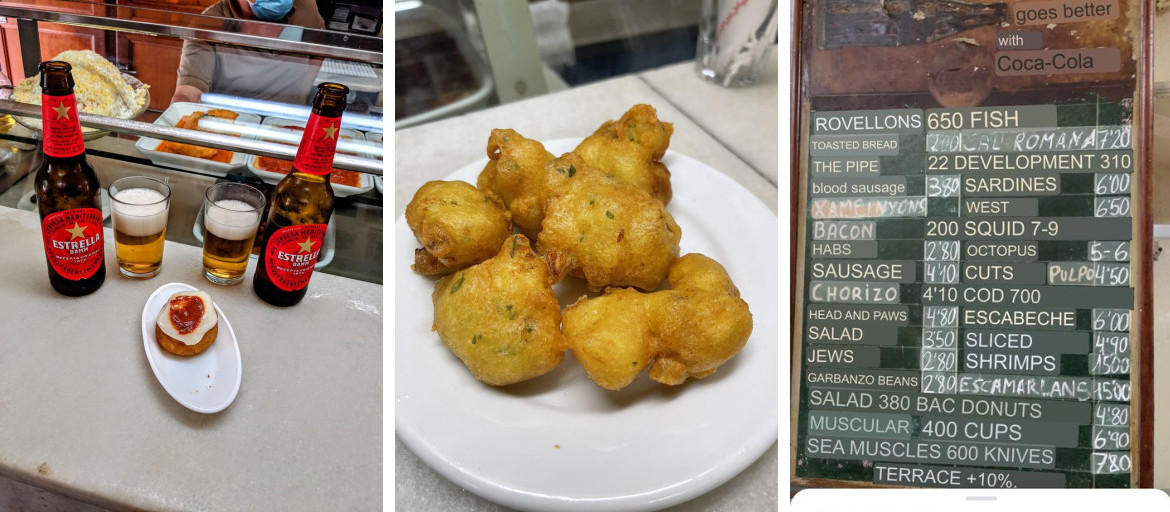
Overlooking the square where the narrow streets of Barceloneta open, La Cova Fumada is a foggy cave, is a gastronomic gem that preserves the traditional atmosphere of a bodega while shifting its focus from drinks to food. Established in 1944, this iconic establishment has remained under the ownership of the Solé family ever since. It was not uncommon to see grandma peeling garlic and potatoes at the entrance—a detail that reflects the warm, familial spirit of the place.
Initially a classic fishermen’s bodega, where locals brought their own food and paired it with wine or vermouth, La Cova Fumada evolved in the 1950s by introducing hot tapas. This marked a turning point as the bodega transitioned into a food-centric destination. While drinks remain a part of the experience, its reputation today is built on its exceptional culinary offerings.
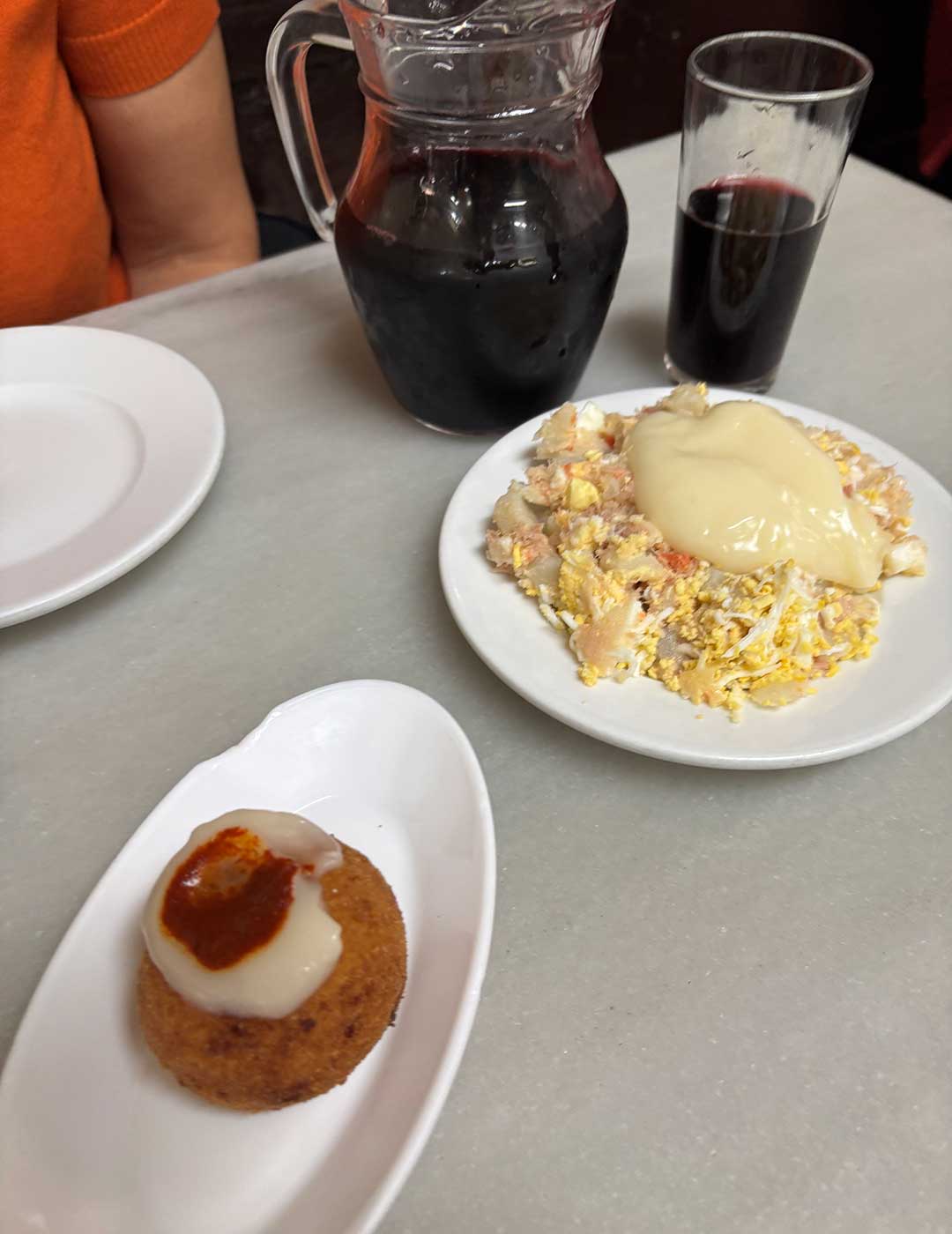
The restaurant’s fame is largely tied to the invention of the iconic Barcelona tapa, the “bomba.” Made of mashed potatoes and ground meat, fried to perfection, and served with a spicy sauce, this dish has become a signature of La Cova Fumada. Alongside the bomba, the menu features fresh seafood and traditional Catalan dishes, making it one of the city’s top spots for enjoying a hearty “knife-and-fork breakfast” (esmorzar de forquilla).
La Cova Fumada masterfully balances its traditional bodega aesthetic with a modern culinary focus, attracting both locals and tourists. Starting at noon, eager patrons line up outside its rustic wooden doors, ready to experience its welcoming atmosphere and savor its authentic Catalan flavors. A must-visit on Barcelona’s gastronomic map, this establishment offers a perfect blend of history and cuisine.
> La Cova Fumada
Carrer del Baluard, 56, Ciutat Vella, 08003 Barcelona
Bodega La Palma
Nestled in the heart of Barcelona’s Gothic Quarter, Bodega La Palma has been a local favorite since 1935. Known for its historic charm, this bodega features original marble tables, wooden benches, and wine barrels that preserve its old-world atmosphere. Alongside its selection of wines and vermouth, the menu offers a mix of traditional Catalan dishes and innovative tapas, making it a must-visit for those seeking an authentic yet refined culinary experience in Barcelona.
> Bodega La Palma
Carrer de la Palma de Sant Just, 7, Ciutat Vella, 08002 Barcelona
Bodega Fermin
Located in the Barceloneta neighborhood, Bodega Fermin is known for its traditional atmosphere and a wide selection of local craft beers. While its roots are in wine and vermouth, it has incorporated local beers into its menu, offering an authentic beer experience.
> Bodega Fermin
Carrer de Sant Carles, 18, Ciutat Vella, 08003 Barcelona
Bodega La Riera
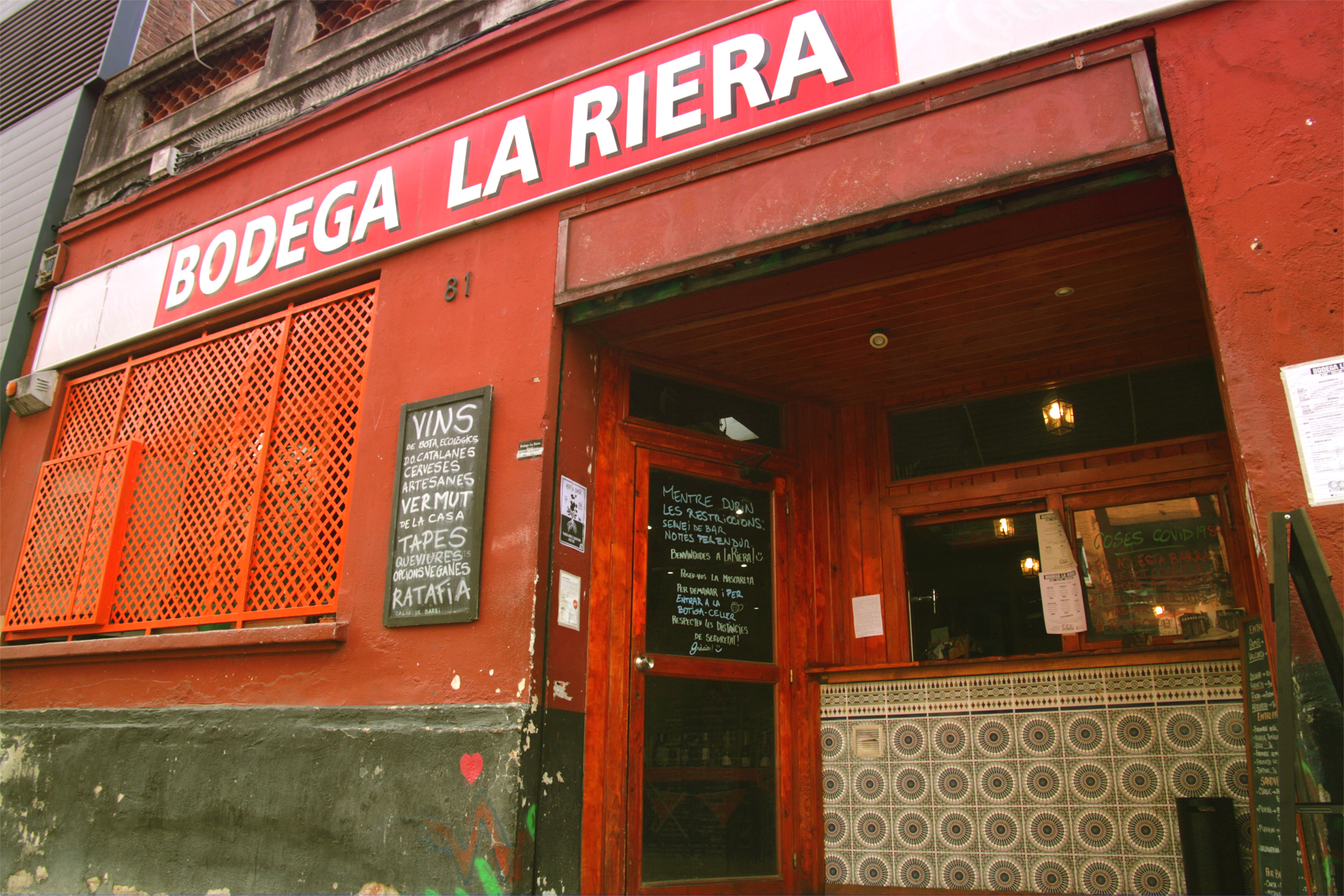
Situated in Vallcarca, this cooperative bodega with an anarchist spirit stands out for its variety of Catalan craft beers. La Riera supports local producers and offers its customers an authentic experience with regional beers.
> Bodega La Riera
Av. de Vallcarca, 81, Gràcia, 08023 Barcelona
Bodega Montferry
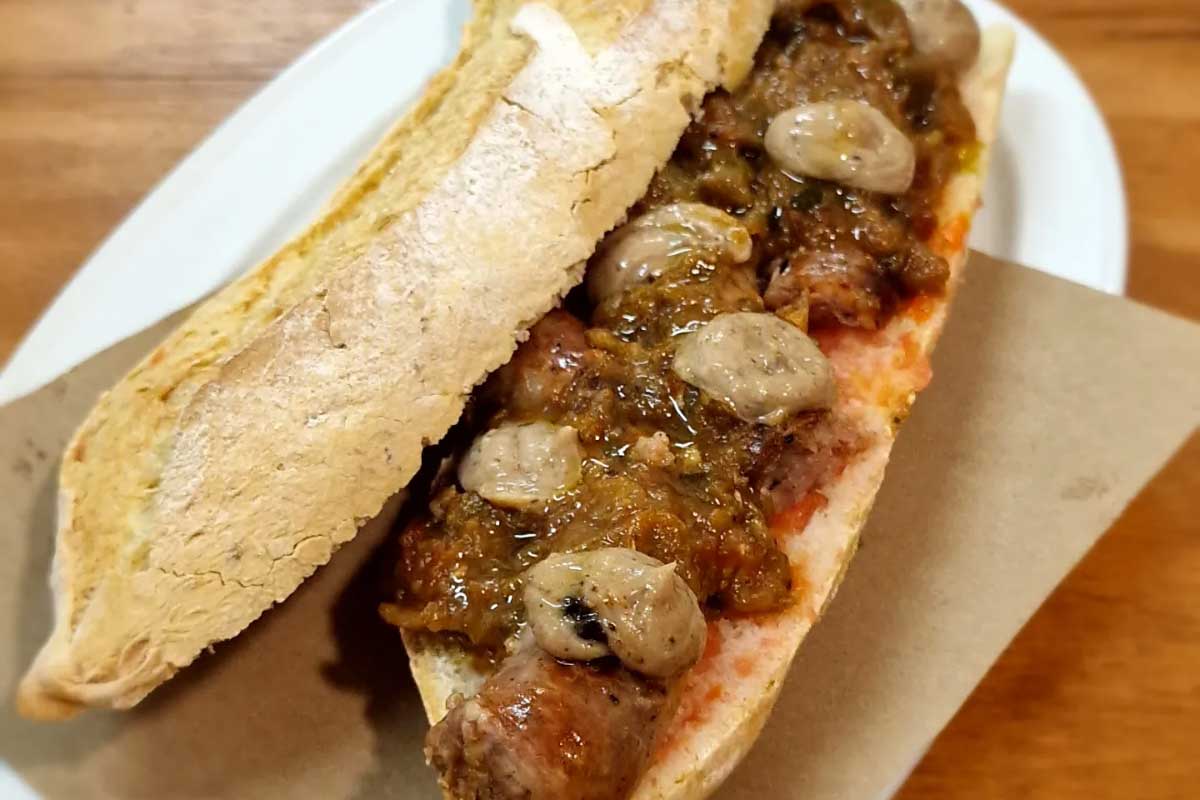
Found in the Sants neighborhood, Bodega Montferry is famous for its delicious sandwiches and traditional tapas. While its primary focus has been on wine and vermouth, it has recently included local craft beers on its menu to cater to the growing popularity of craft brewing.
> Bodega Montferry
Passatge de Serra i Arola, 13, Sants-Montjuïc, 08028 Barcelona
Bodega E. Marín
In the Gràcia neighborhood, Bodega E. Marín merges tradition with modernity, offering local craft beers alongside its wines and vermouth. This bodega embraces Catalonia’s craft beer culture while maintaining its nostalgic ambiance.
