


Book Spotlight
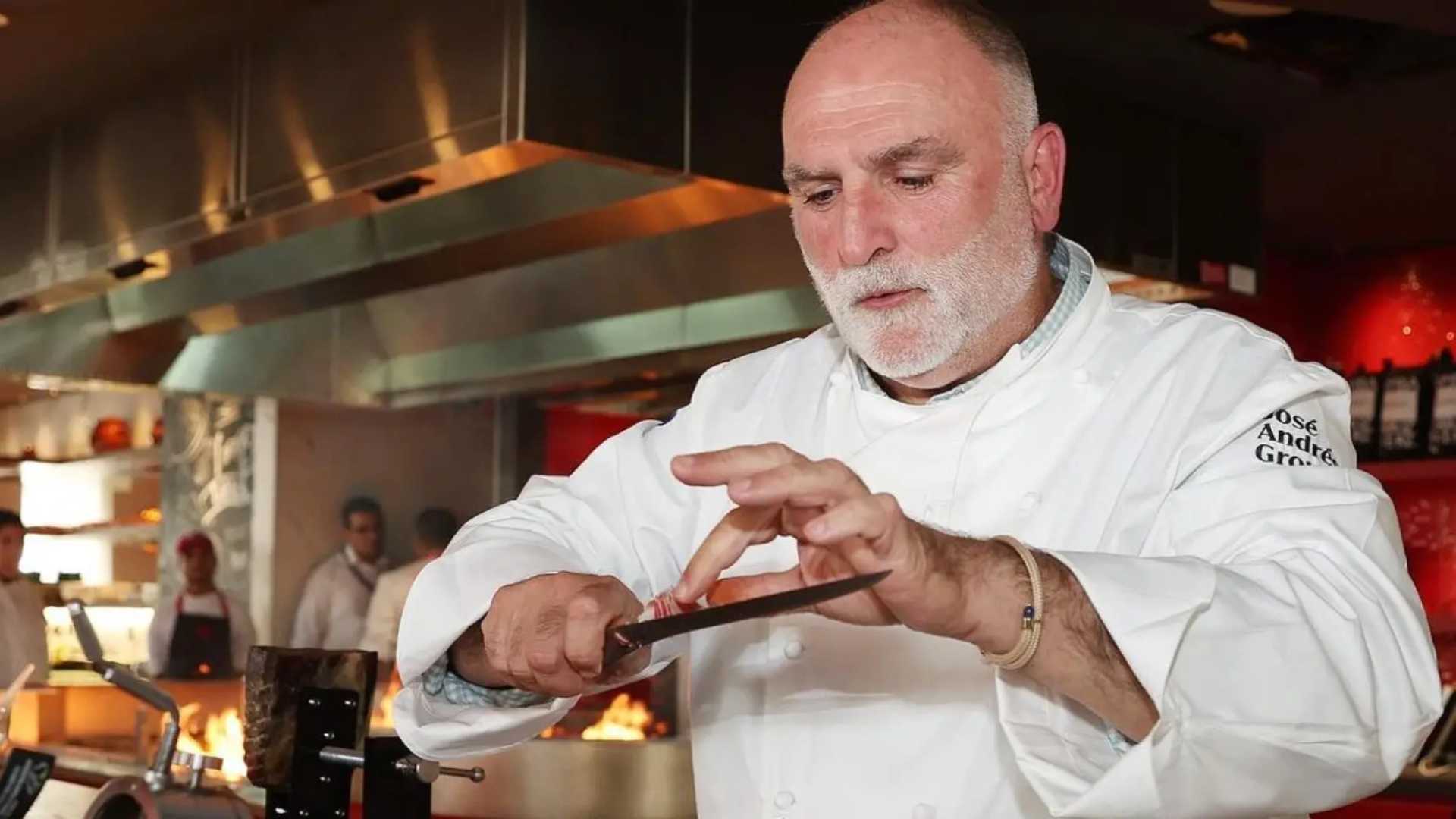
For José Andrés, cooking has never been merely a collection of techniques. A close look at his career reveals that the kitchen is handled as both a cultural and humanitarian practice.
This philosophy takes a tangible form through his World Central Kitchen. From Gaza to Hatay, by distributing food in zones of war, natural disasters, or crises, this organization redefines gastronomy as a tool for solidarity and intervention.
“Spain My Way: Eat, Drink, and Cook Like a Spaniard” is the manifestation of this very perspective in the form of a book. The “my way” here signifies much more than a claim of personal style. Rather than a verbatim reproduction of traditional recipes, it proposes reconstructing them through personal experience, memory, and the act of sharing. For Andrés, food is not a faithful repetition of formulas but a transmission of lived experiences. Therefore, the book aims not just to teach Spanish cuisine, but to narrate the profound relationship Spaniards have with food.
The Architecture and Substance of the Book
Authored by José Andrés alongside Sam Chapple-Sokol, this comprehensive 400-page work is set to be published on May 19, 2026. The book is composed of thematically curated chapters covering the fundamental categories of Spanish gastronomy. Structured under headings such as tapas, rice dishes, seafood, and stews, the content aims to provide the reader with a reading experience that is both systematic and fluid.
The book features approximately 130 recipes. While classics like tortilla Española, gambas al ajillo, and paella Valenciana are included, more regional and characteristic examples such as Basque-style ribeye, salt-cured fish, and the iconic burnt Basque cheesecake also stand out. However, these recipes are not the primary focus of the book. The true focus is the context in which these dishes emerge. Each recipe is presented in connection with a place, a person, or a memory. Thus, food becomes not just something to be made, but an experience to be understood.
Narrative and Philosophical Approach
“Spain My Way” establishes a narrative that goes beyond classical cookbooks. Recipes are not isolated as mere technical instructions; instead, they are placed within a cultural and emotional framework. This allows the book to be read on three different levels: it is a practical cookbook, a gastronomic travelogue, and a personal memoir of memory.
This approach creates a significant position within modern culinary literature. Today, many cookbooks either rely on an overly technical language or move forward through superficial visuality. Andrés establishes a more balanced narrative between these two extremes. Technical knowledge is not excluded, but it is not centralized. Instead, experience, sharing, and the production of meaning are prioritized.
The phrase “Eat, Drink, and Cook Like a Spaniard” in the subtitle supports this approach. What is suggested here is not the application of specific recipes, but the understanding of a specific way of life. Food is treated as a collective act rather than an individual activity. The table is not just a place for nourishment, but a social space—an area where time slows down and sharing takes priority.
Clearly, “Spain My Way” stands out as an interdisciplinary work. In this book, José Andrés assumes the role of not only a chef but also a storyteller and cultural commentator. One of the strongest aspects of the book is the conscious balance struck between recipes and storytelling. In this way, the reader does not just learn how to cook; they grasp the context behind the dish.
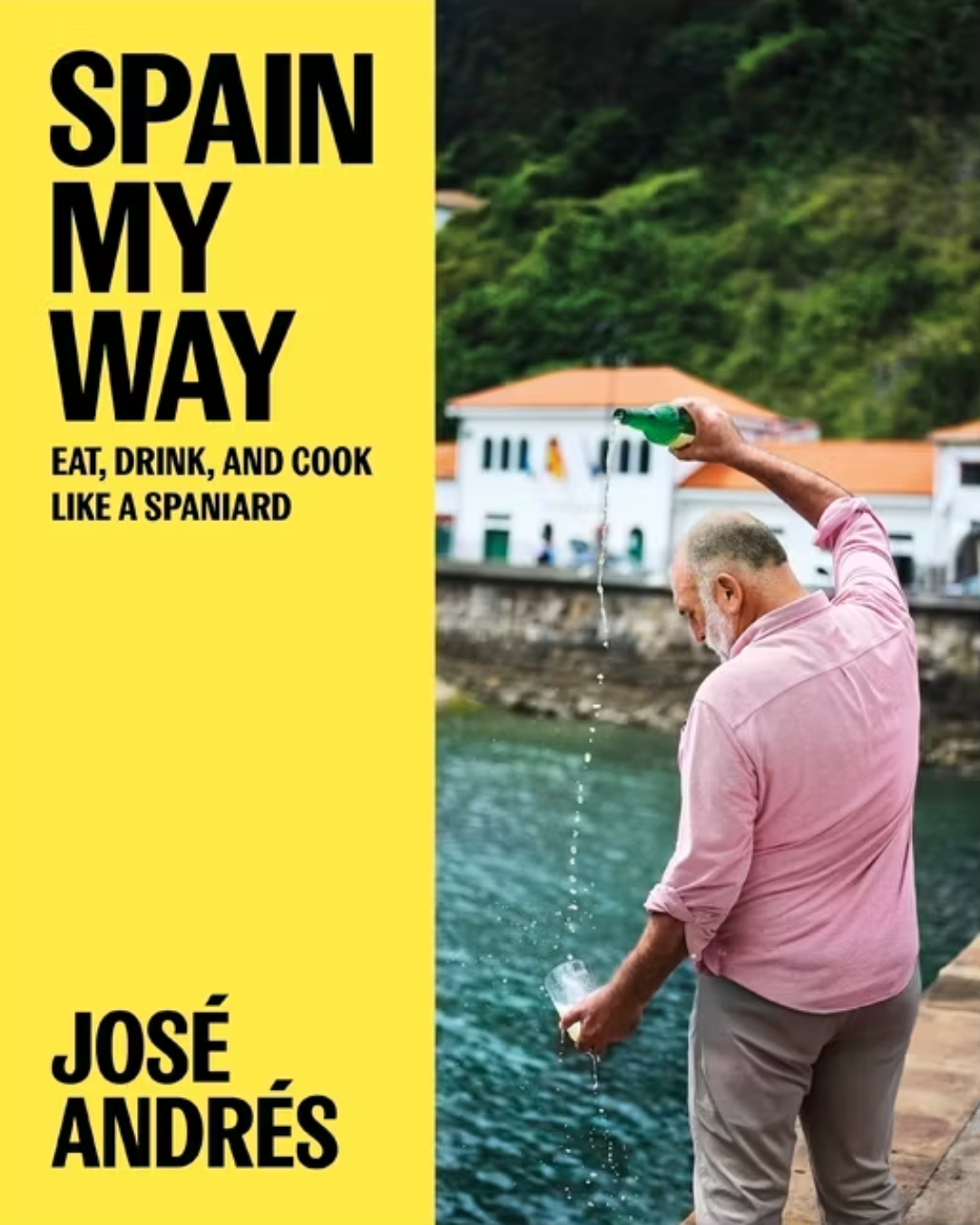
“Spain My Way” is not a cookbook in the classical sense, but a gastronomic narrative. With this work, José Andrés tells the story of Spain not through recipes, but through experiences and memory. The book makes the reader ponder not just how to eat, but why we eat together.
In this respect, the work serves as a powerful resource for those who wish to understand a culture and a lifestyle through food, rather than being a technical reference book. Andrés’s kitchen represents a human-centric approach, much like the example of World Central Kitchen. “Spain My Way” can be considered the written expression of this very philosophy.
