


Michelin Guide Debates I
Let us begin with a question: Do you believe that a restaurant receiving a star, being included on a recommended list, or appearing in similar guides can truly be explained by the taste of the food you eat there?
Let us be clear. In recent years, a view has been voiced with increasing frequency among food enthusiasts. The Michelin Guide and other gastronomy guides, which have always considered criteria beyond flavor such as service quality, now seem to rely on factors that go far beyond the food itself, beyond the plate.
This new evaluation method is difficult to understand precisely because it lacks transparency. The claim is that a circle of interests has emerged that influences preferences.
The word interest here does not refer to direct bribery or illegal relationships. It refers instead to a much subtler, indirect, and often invisible network of prestige.
Of course, it would be wrong to say that such manipulative interventions are decisive for every restaurant. In many cases, even when this prestige network is present, it cannot be said to determine decisions outright. Yet it is becoming increasingly difficult to deny that it has a significant impact on both processes and outcomes.
Can we truly reject outright a view that might be formulated as follows.
A system woven through supply chains, financial resources, joint events, sponsorships, tourism partnerships, media visibility, and professional friendships now exerts an invisible but decisive influence on the world of gastronomy.
As some critics have emphasized for years, gastronomic guides no longer merely select good food. They also determine which circles become more visible and which cities are labeled investable. At the center of this system lies a gastronomy ecosystem composed of star chefs, tourism agencies, sponsor brands, and media influencers. The same names, the same brands, and the same institutions shine again year after year. Without certain connections, entering this sphere is extremely difficult, almost like gaining access to a closed club.
When you look closely at who is constantly presented in the media as authorities of taste and opinion, much becomes clear. Even on television shows where apprentices compete to earn their masters’ approval, it is always the same group on stage.
Michelin, of course, seeks profit. It was never established as a public service.
As a tire manufacturer, Michelin is a commercial enterprise. Its goal is to make money and to make more money. There is nothing objectionable about that.
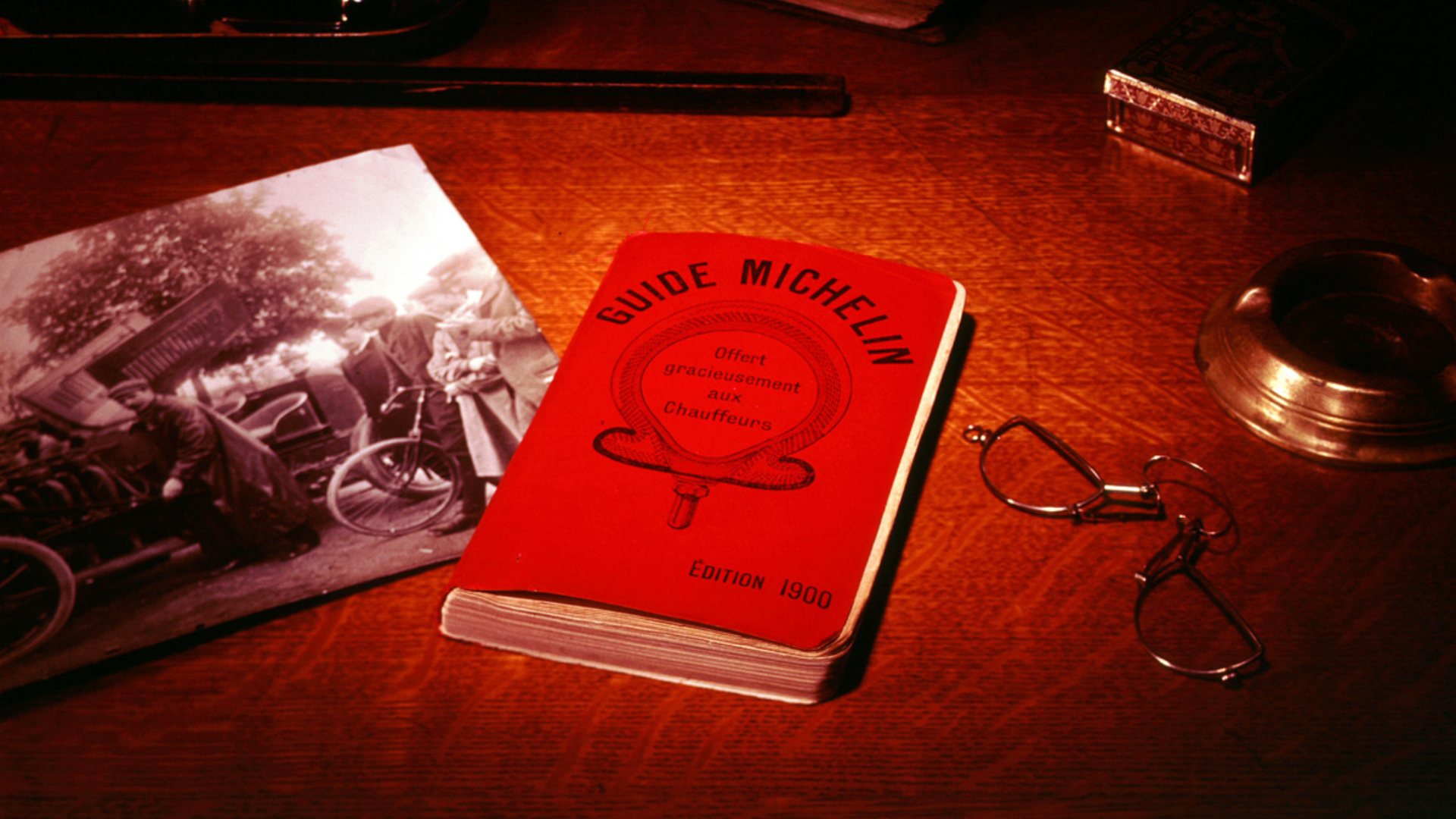
Yet until about twenty years ago, almost no one believed that the guide selected restaurants based on commercial concerns. On the contrary, it was widely regarded as impartial and respectable. I cannot say that it has entirely lost its prestige. However, many food lovers, myself included, now believe that it is no longer neutral and that it has been instrumentalized by sponsors and interest groups. If this trajectory continues, I am convinced that its prestige will also erode.
Historically, the Michelin Guide was indeed part of its owner’s profit oriented activities and was perhaps one of the longest running and most successful marketing strategies ever devised for Michelin tires.
But the business model has changed.
In the past, the guide promoted tire sales and strengthened the Michelin brand. Today, the guide itself has become a profit center and has built a network around it. This network is largely sustained by sponsors, most of them global supply chains or public institutions financing tourism oriented promotional campaigns.
Is Being a Link in the Supply Chain Something to Be Ashamed Of ?
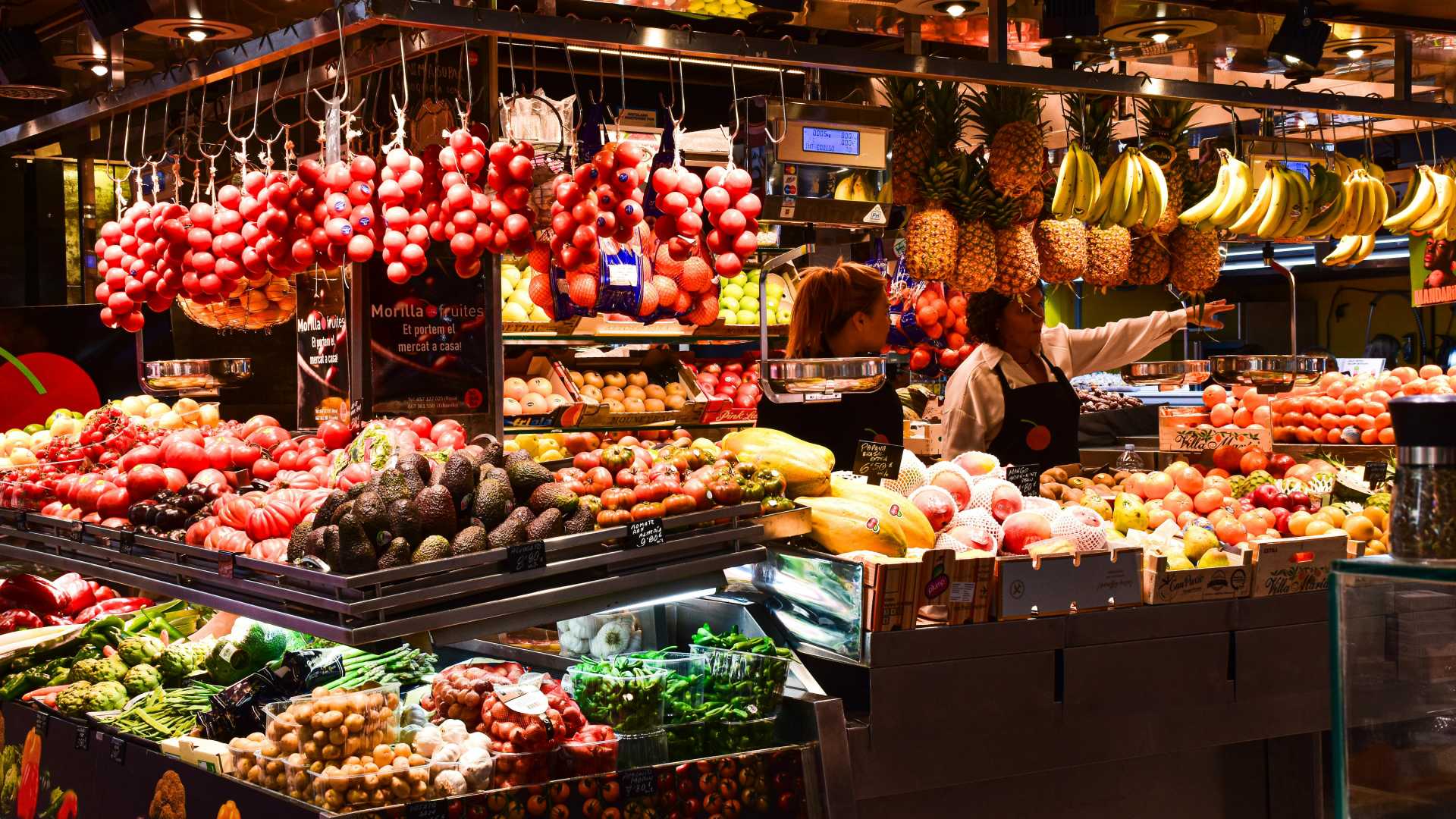
Many now believe that restaurants can only be selected, promoted, developed, and ultimately survive if they are part of sponsors’ supply networks. For those outside this structure, the result is exclusion, neglect, and invisibility. Survival becomes increasingly difficult. There is clear unfair competition.
Over the past twenty years, steep rent increases across nearly all major European cities, especially in city centers, followed by the exhausting effects of the pandemic, and now the combined pressures of rising energy costs and an automotive centered economic crisis, have forced restaurants frequented by the working class and particularly the middle class to search for new ways to survive.
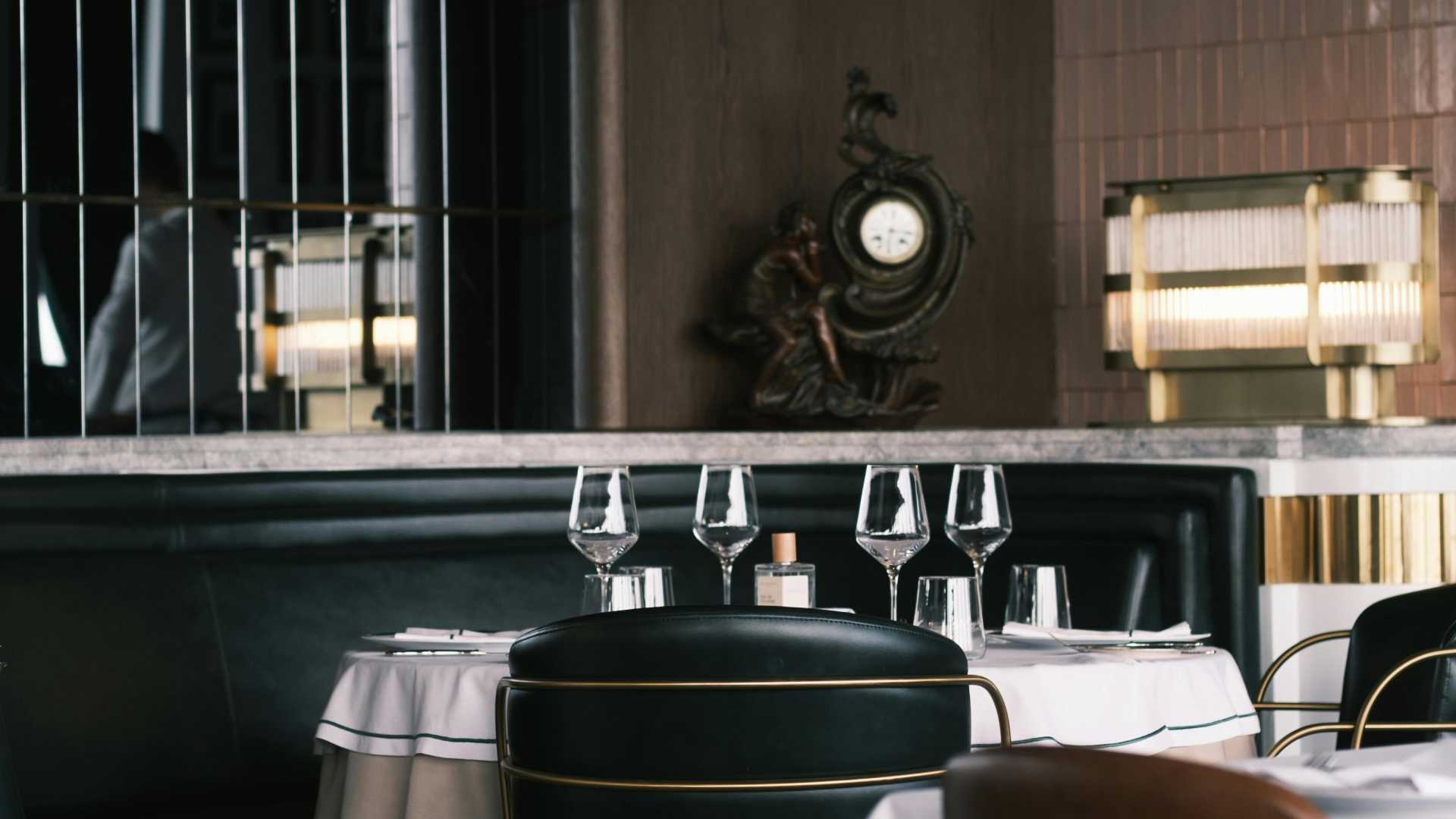
For years, these establishments remained viable through relationships with familiar customers, word of mouth reputations, flavorful dishes, and a strong balance between price and quality. Today, they are compelled to seek customers through social media fantasies, Google Maps, and similar platforms.
Yet rising taxes, regulations, and shortages of qualified labor mean that these efforts are often insufficient.
It is precisely here that the supply network associated with prestigious guides enters the scene, presenting itself as a savior. This is, in fact, a new ecosystem. One that reduces member restaurants to subcontractors within the supply chain. It is a game in which survival comes at the cost of surrendering freedom and originality.
(For restaurants targeting the upper class and the wealthy, little has changed. That sphere remains comfortable. Prices do not matter, nor do costs. There is no shortage of customers. Customers themselves face no hardship. As other classes grow poorer, their revenues increase.)
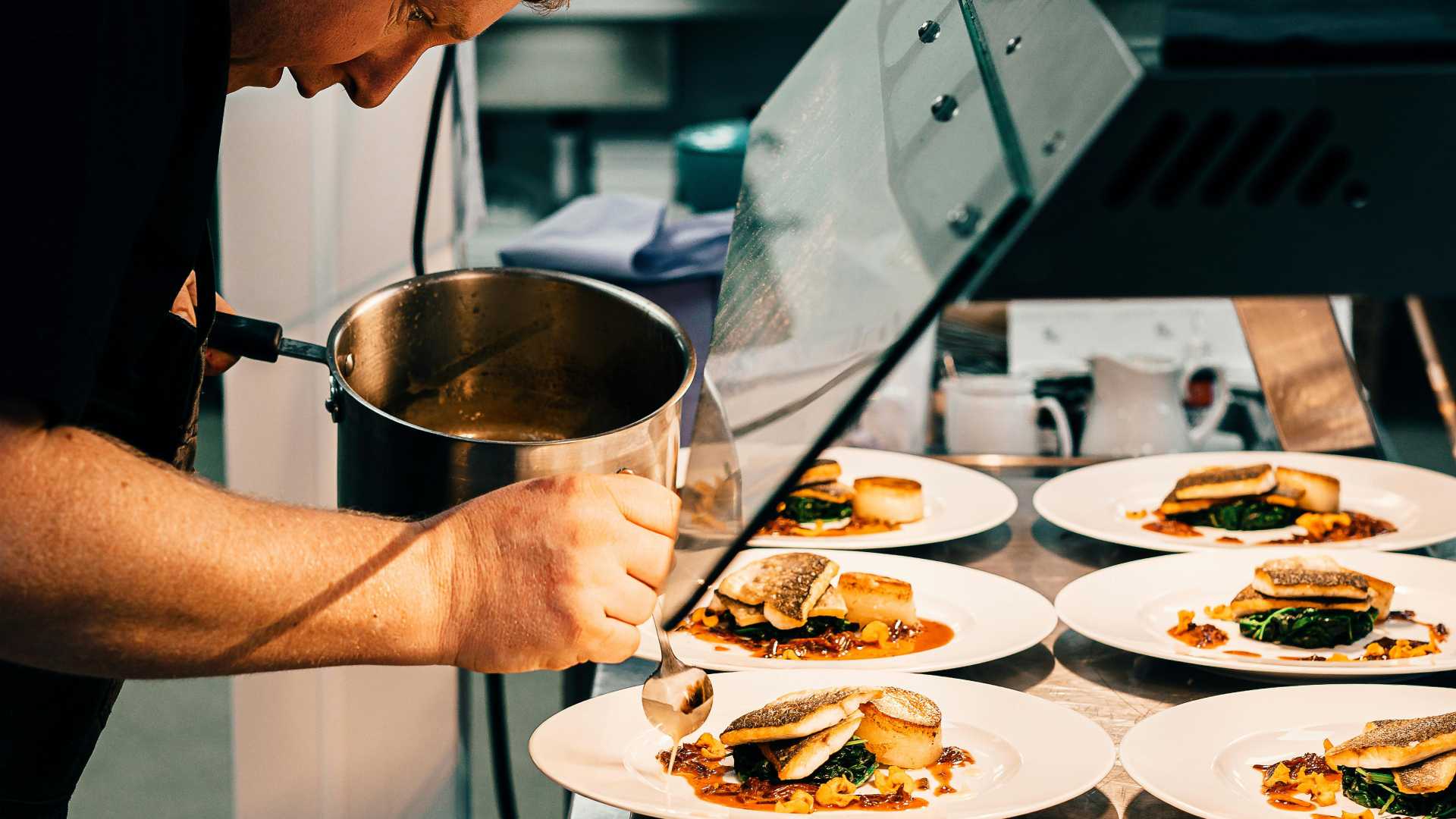
With semi processed products and dishes that come very close to industrial production, restaurants can plate food, charge higher prices, and attract larger audiences. And behind them stands financial and marketing support.
To sustain this system, the number of restaurants featured in the most popular and respected guides is rapidly increasing. Investors, seeing this, do not remain idle. New guides eager to replicate the model are multiplying.
These guides, appearing independent and impartial and instructing you on where you should dine, are transformed through sponsorships into persuasive components of the supply chain. Restaurants outside this system, no matter how good or how delicious their food may be, face the threat of being ignored.
There are, of course, exceptions. Some restaurants manage to survive and grow without depending on these monopolies. Yet for the majority, the future appears to lie in integrating into this supply chain system, surrendering all claims to originality in order to become its final link.
At the risk of repetition, let me state it plainly.
We now call the final production station of the supply chain, where processed and plated food is delivered to the consumer, a restaurant. The person working there is called a chef.
Are We Heading Toward New Chain Restaurants?
This new form of serfdom, dependent on major brands and monopolies for its very survival, is in fact a new type of chain restaurant. It appears free and independent, yet functions as the final link of the suppliers’ network.
The guides, with their immense marketing power, direct customers toward these chain restaurants.
In future pieces, I will attempt to explore in greater detail how this system operates.
