


Some restaurants change the identity of a city. Others make history: their impact is universal. El Bulli belonged to the latter. It wasn’t just a restaurant; it was a center of power that shifted the direction—and certainly the language—of gastronomy.
Today, when we speak of El Bulli, the words we use are rarely about the food itself; they are about thought: “creation,” “experiment,” “research.” And then, “Molecular…”
The new direction filled by these abstract concepts defined and materialized itself through restaurants, kitchens, foods, plates, waiters, chefs, prices, and customers. El Bulli had indeed established a working order that pushed the boundaries of cooking (Adrià, 2010; The New York Times, 2011).
If we define 1994 as a milestone, I believe we wouldn’t be mistaken. El Bulli’s new stage, termed “techno-conceptual cuisine,” became visible during these years. In this approach, techniques (spherification, foams, etc.) and concepts (textures, perceptual play) were placed at the heart of the kitchen. Technique was no longer a mere garnish; it began to be used as a tool of design.
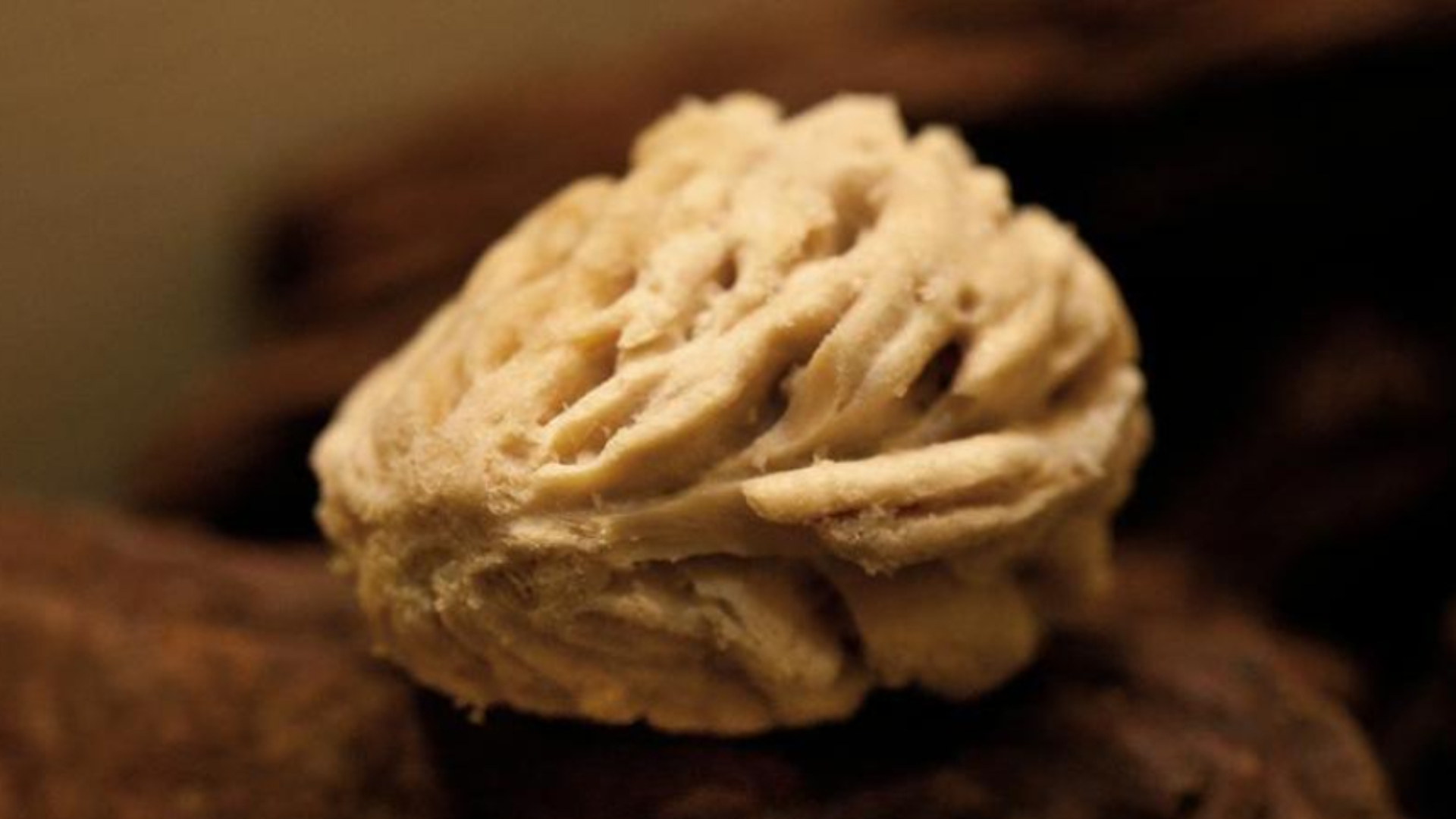
From this point on, a peculiar shift occurred in the culinary world: as the language of flavor retreated, the language of presentation stepped forward. People began talking more about the photograph of the dish than its taste. Food ceased to be a flavor and transformed into a performance piece.
Of course, El Bulli didn’t appear out of thin air; it was the product of historical accumulation and was born out of a stagnation. For instance, molecular gastronomy wasn’t discovered overnight… It had predecessors like French Nouvelle Cuisine and contemporaries like The Fat Duck, which developed along a similar line almost simultaneously. But El Bulli was the fastest runner, and its voice echoed the loudest.
The true legacy of El Bulli is hidden in its kitchen organization rather than its plates. Even Ferran Adrià, years later, described the restaurant as a “space for knowledge production” and attempted to systematize gastronomy (Adrià & Soler, 2015).
This proves that El Bulli was not just a place to eat, but a methodology. The “Sapiens” method, which Ferran Adrià presents today as a philosophy, is the very methodology developed, matured, systematized, and recorded in the laboratory—which, in this context, means the kitchen—of El Bulli. Discipline is the spine that carries this method.
Yet, this methodology came at a price: El Bulli technicalized gastronomy more than ever before. As it became more technical, the distance between the food and the “spectator” grew. This distance was sometimes enchanting, sometimes cold. Sometimes the plate surprised the diner; other times, it exhausted them. For, after a certain point, one felt less like they were “eating” and more like they were “touring an exhibition.”
But it would be simplistic to blame El Bulli for the entirety of this shift. Because El Bulli gave birth to an idea. The idea grew. Then, the idea merged into the free market. Like every idea that hits the market, it shone in some places and became cheapened in others.
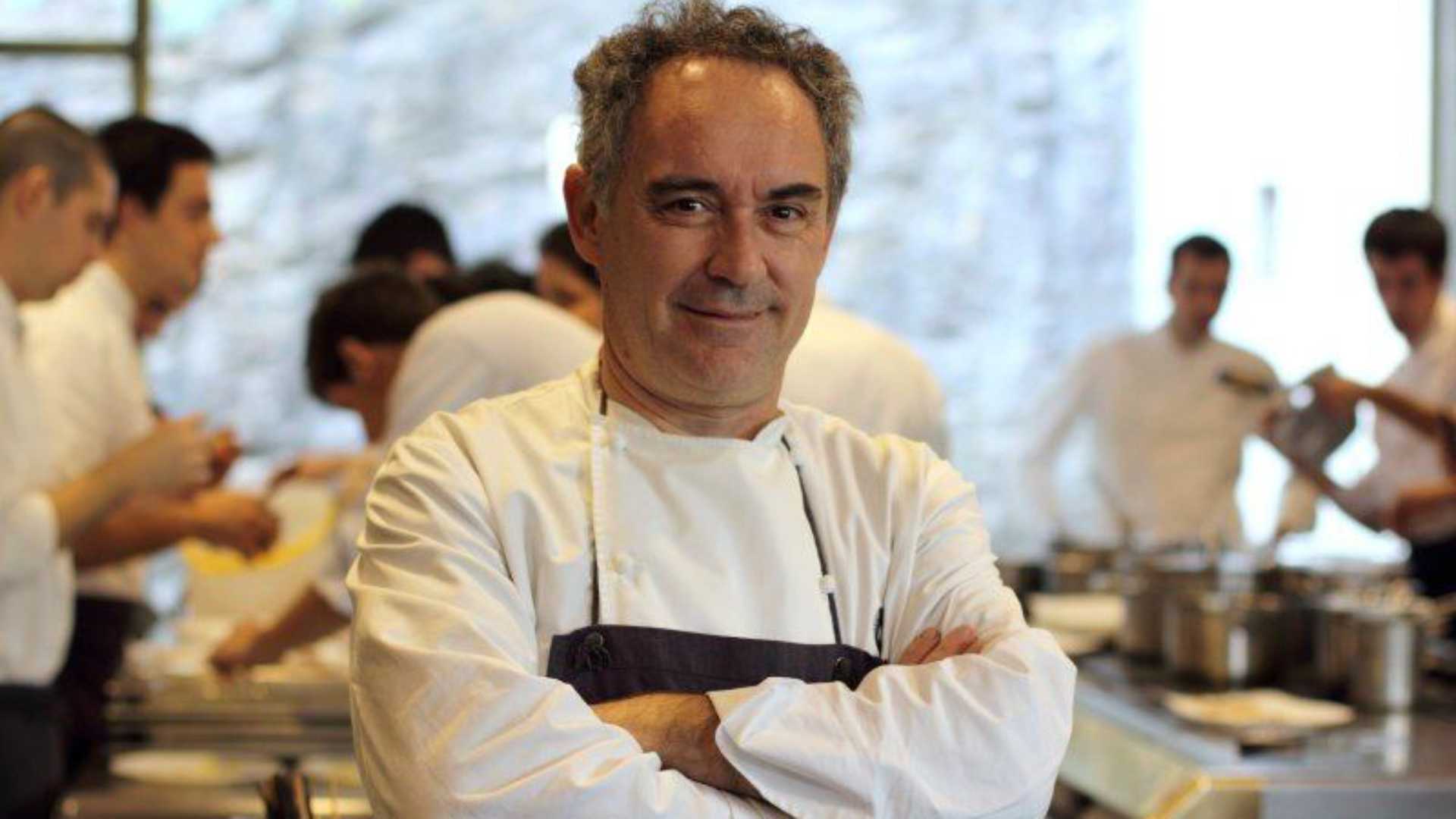
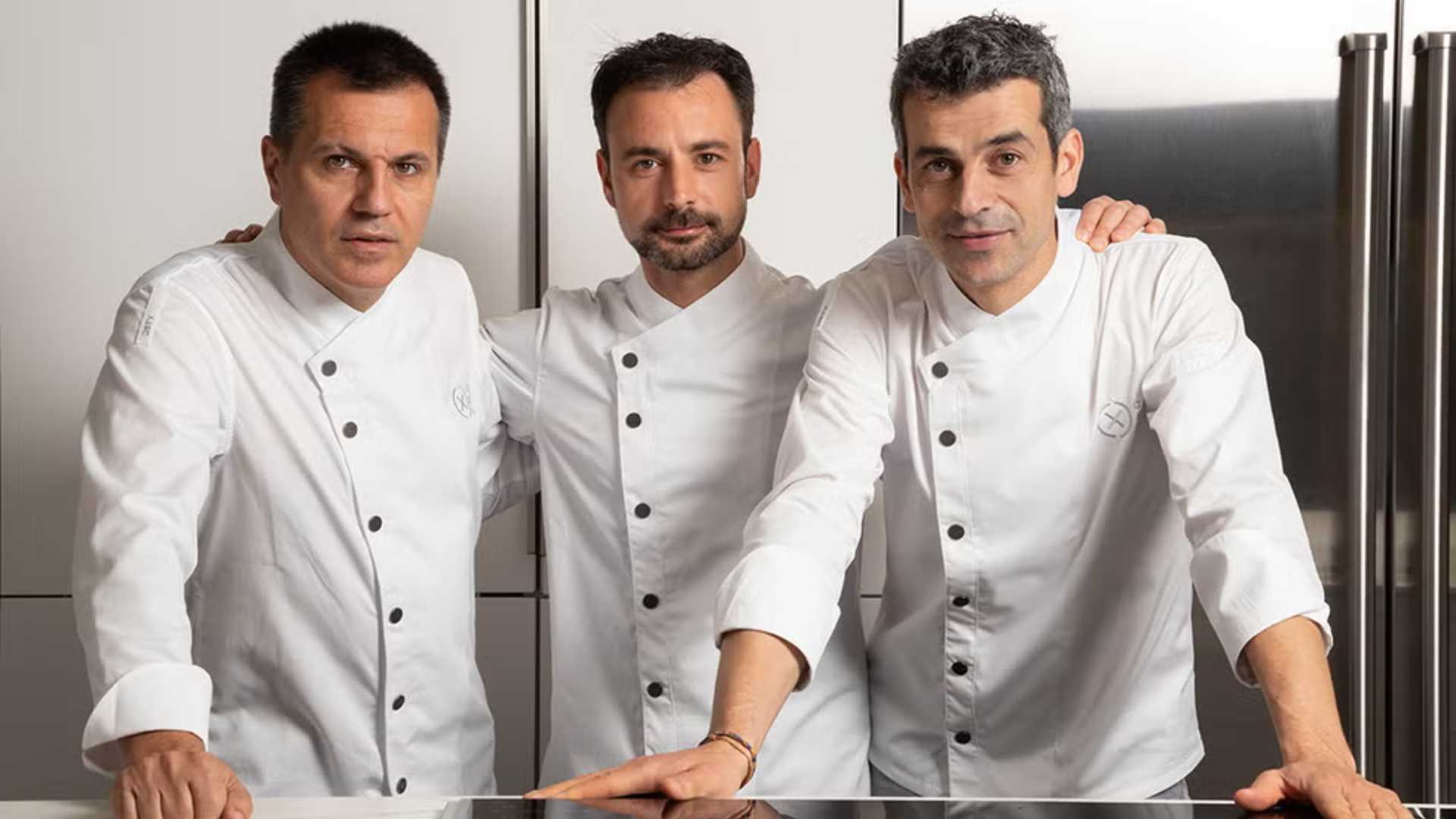
When El Bulli closed in 2011, the question was: Where would this massive influence flow now? (The Guardian, 2011). For many chefs, their time at El Bulli became a title they would carry for life. For some, it was just “somewhere I once worked.” But three names carried El Bulli forward—not as a memory, but as a way of working: Mateu Casañas, Oriol Castro, and Eduard Xatruch.
Today, we know them as the chefs of Disfrutar. Laden with Michelin stars, lists, and awards (Michelin Guide, 2025; The World’s 50 Best Restaurants, 2024). But reading this success story only through awards misses the real side of the story. Because this trio did more than just open good restaurants after El Bulli. They did something much harder: they didn’t fall apart. Three people managed to stay together, to produce together, and to continue building a culinary language as a unit. This, in itself, is an exception.
The collective story of Casañas, Castro, and Xatruch begins right here…
Compartir Cadaqués (2012): The First Step Away from the Spectacle
When the trio opened Compartir in Cadaqués in 2012, I suspect the gastronomic world expected something entirely different. Everyone was expecting a grand opening in Barcelona, a big claim, a loud voice. Instead, they went to a small seaside town.
Located in the town of Cadaqués in the Costa Brava, north of Barcelona, Compartir stated its intent from its very name: “We will share.” The restaurant’s official narrative also clearly includes this idea: plates come to the table to be shared, and eating becomes a common ritual (Compartir Cadaqués, 2025).
This stance felt like a softening against the harsh and intense gastronomic experience of El Bulli. The technical accumulation of El Bulli is not entirely absent in Compartir, but it isn’t in the shop window. The plates don’t shout, “Look what we did”; they say, “Look what we cooked.” In other words, the aim here is to please rather than to shock.
Compartir is like gastronomy taking a breath again in the post-El Bulli era. The legacy of El Bulli is there, but it is not carried like a heavy burden. A kind of normalization takes place. This was the first step of the order the trio established: pulling El Bulli’s influence back to a more human scale without denying it.
Disfrutar (2014): The Lab Re-established in Barcelona
Two years later, when Disfrutar opened, the story moved to another stage. If Compartir was a “return to life,” Disfrutar was a “re-construction.”
Today, Disfrutar is considered one of the most important addresses of modern gastronomy. Three stars from Michelin, the first or top ranks in The World’s 50 Best Restaurants… The most distinct aspect of Disfrutar is that it isn’t a “single chef” story. The trio moves as one. The restaurant’s official narrative also features all three founding chefs, and no single leader figure is highlighted (Disfrutar, 2025). This is a rare structure in gastronomy.
This trio, instead of building a chef-legend, built a working system.
Yes, there is technique in Disfrutar. There is experimentation. There are plates that startle. But what makes Disfrutar valuable is not just the “show.” While some dishes leave you in awe, others might leave you with the question, “Was this necessary?” Yet, the reason we take Disfrutar seriously is the discipline working behind those plates. After El Bulli, many restaurants only produced spectacle. Disfrutar, however, cared for culinary culture as much as the show… Disfrutar corrected the excesses of El Bulli, which had bent the bar with the speed of its initial impact.
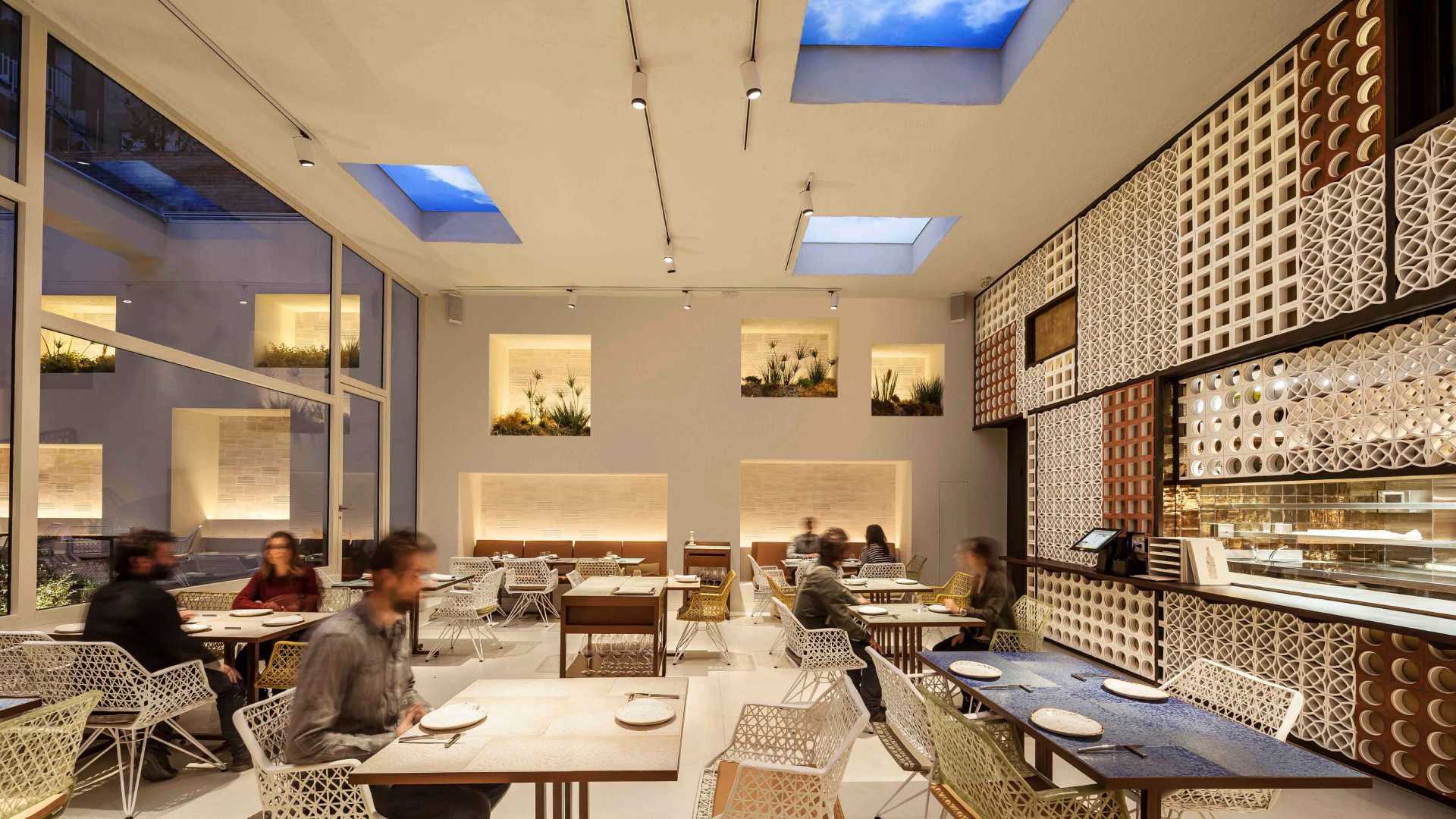
Compartir Barcelona (2022): Urban Sharing
Opened in 2022, Compartir Barcelona is the third pillar of this order. While it seems like an extension of the Cadaqués original, it is the urban version of the same culinary idea.
Barcelona is not Cadaqués. In Cadaqués, time flows slowly; in Barcelona, it is fast. There is a season there; here, a constant flow. Therefore, Compartir Barcelona doesn’t just have to carry plates; it has to carry a rhythm. The existence of Compartir Barcelona proves that these three are no longer just chefs, but founders of a gastronomic order. Maintaining the same line of quality across two cities and two different customer profiles is no small feat.
Respect for El Bulli, Distance from the Spectacle
It is impossible not to respect the impact El Bulli had on the culinary world. El Bulli taught us to think through food. It expanded the boundaries of the kitchen and positioned chefs as researchers (Adrià & Soler, 2015).
But the post-El Bulli era has also shown us something: if gastronomy detaches from flavor and surrenders to form, it begins to consume itself. At some point, the dish ceases to be food and becomes an object of spectacle. Misunderstandings of the El Bulli legacy have played a part in this transformation.
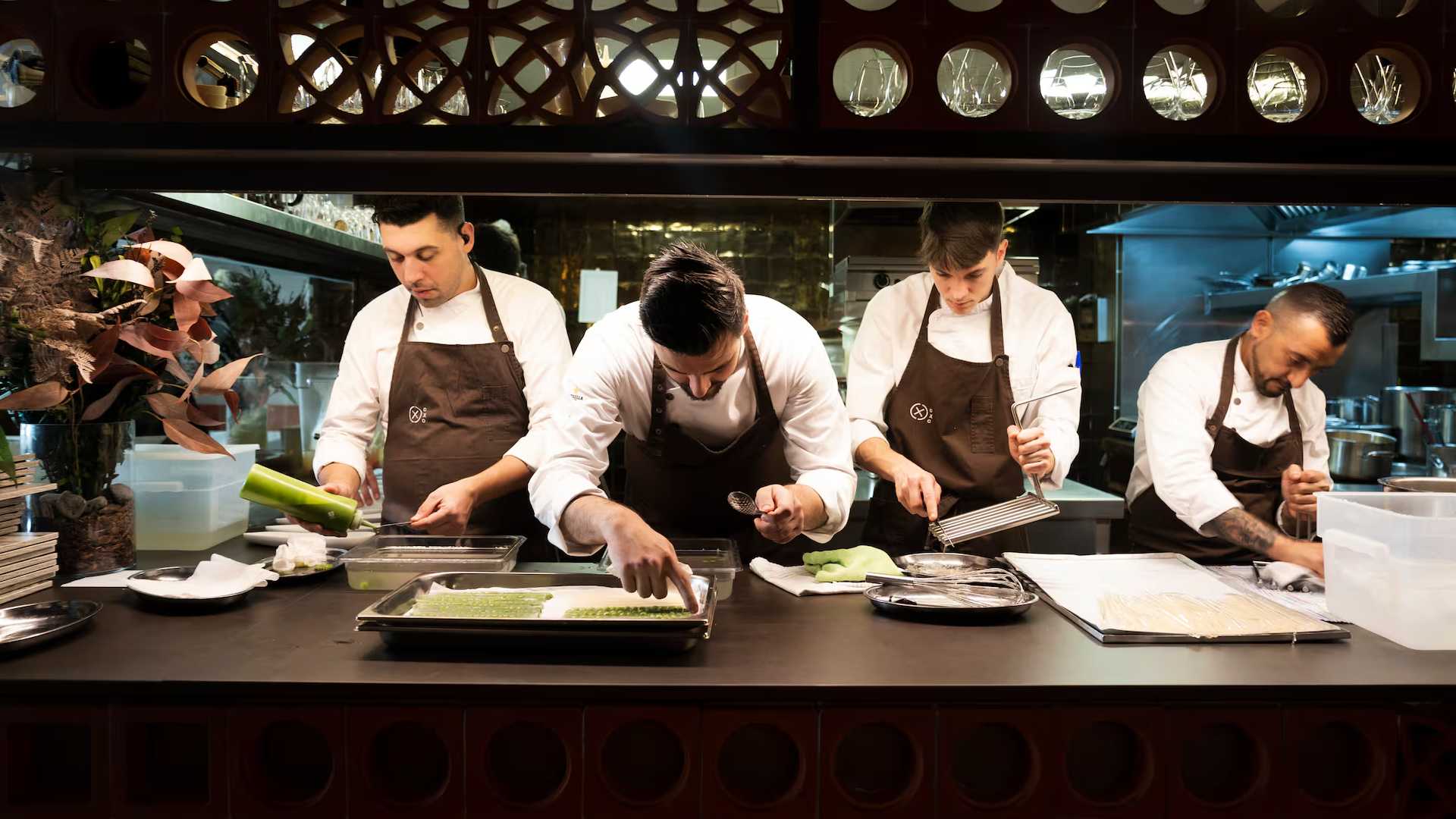
The trio of Casañas, Castro, and Xatruch, while carrying this legacy, tried not to turn it entirely into a spectacle. With Compartir, they preserved the everyday; with Disfrutar, they maintained technical discipline; with Compartir Barcelona, they brought that same idea into the heart of the city.
Their story reminds us that gastronomy thrives not just on brilliance, but on order and discipline. And perhaps that is why the most serious legacy left in the wake of El Bulli is the “triple line” they have woven.
