


Albert Molins Renter’s Esmorzar de Forquilla
Catalan cuisine, one of the most vibrant and enduring manifestations of Mediterranean culture, is celebrated not only for its flavors but also for the traditions and social interactions it fosters.
Albert Molins Renter’s new book, Esmorzar de Forquilla provides a comprehensive exploration of one such tradition: esmorzar de forquilla or breakfast with a fork. This work delves into the history, cultural significance, and enduring appeal of this unique culinary custom, offering a valuable lens into Catalonia’s gastronomic heritage.
The book encompasses the history, cultural significance, iconic recipes, and a guide to the best bars and restaurants serving this traditional breakfast. It delves into the origins of esmorzar de forquilla and its connection to the practice of a second breakfast. Additionally, it explores parallels with similar traditions such as France’s déjeuner à la fourchette and Germany’s gabelfrühstück. Within this context, the book provides a detailed examination of the historical evolution and societal role of esmorzar de forquilla in Catalonia.
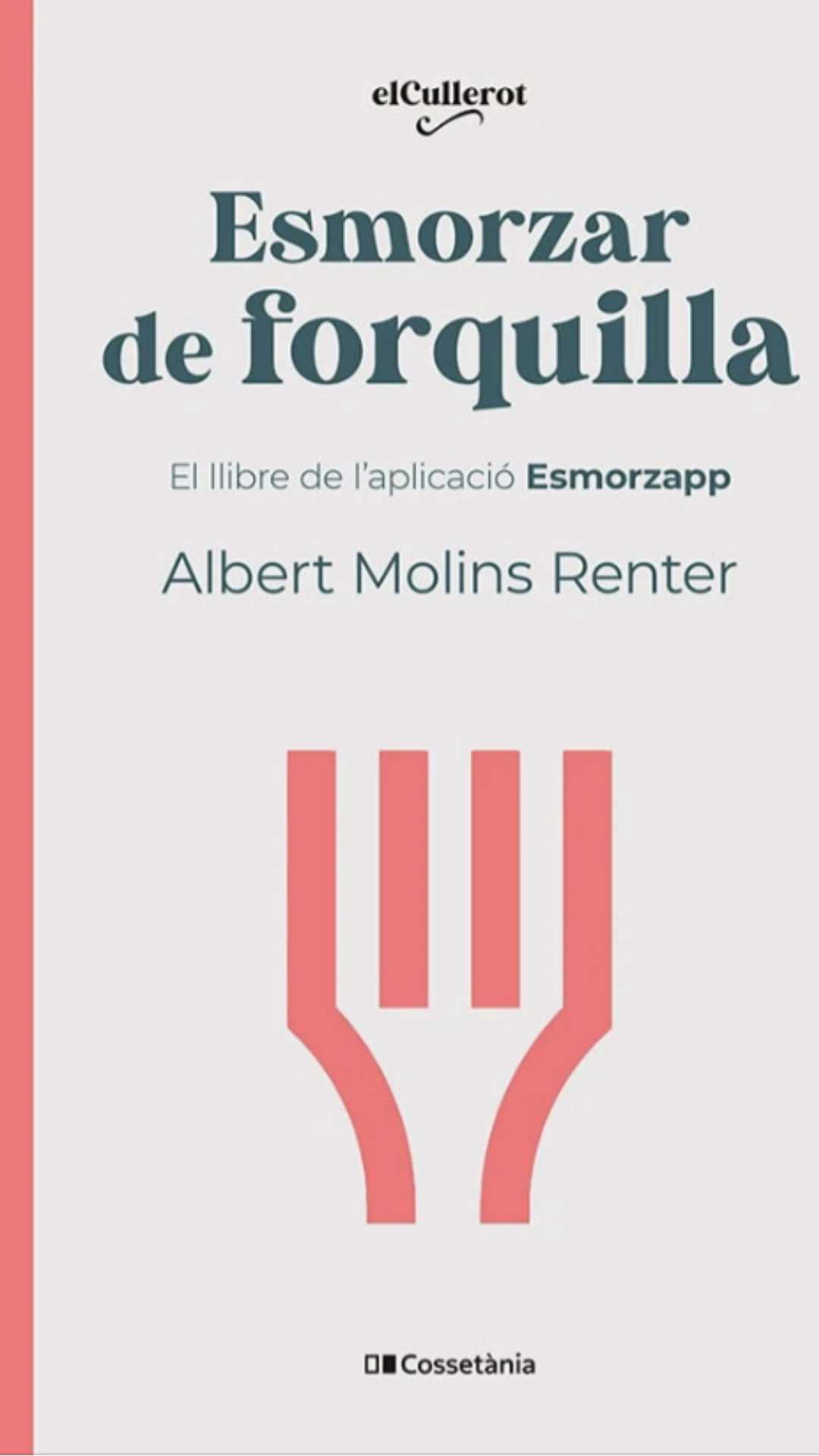
Albert Molins Renter’s Esmorzar de Forquilla
The book also highlights the definition of esmorzar de forquilla and its distinctions from brunch. While esmorzar de forquilla typically consists of hearty, savory dishes consumed in the early morning, brunch is characterized by lighter fare served later in the day. Furthermore, the book discusses whether esmorzar de forquilla has traditionally been a male-dominated space and examines women’s participation in this culinary tradition.
Included in the book is a comprehensive list of establishments across Catalonia that serve esmorzar de forquilla, showcasing the diversity and richness of local cuisine through varied recipes and presentations. Additionally, it offers insights into related traditions, such as esmorzaret in Valencia and berenar in the Balearic Islands, providing a broad perspective on Catalan cultural heritage.
What is Esmorzar de Forquilla?
Literally translated as “fork breakfast,” esmorzar de forquilla diverges from conventional breakfast norms. This hearty, early-morning meal is characterized by rich, savory dishes such as cap i pota (slow-cooked veal head and trotters), botifarra amb mongetes (sausage with white beans), and bacallà a la llauna (baked salt cod). Historically, it provided sustenance for Catalan farmers and laborers, offering the energy required for long, grueling workdays.
For instance, Can Vilaró, located across from the Sant Antoni market, has been serving esmorzar de forquilla for three generations. Its owner, Sisco Vilaró, notes that market workers, who start their days early, require a hearty breakfast to sustain them.
In contrast, just 350 meters away, Bubbles and Brunch, a venue that opened last year, offers brunch options like pancakes, avocado toast, and eggs benedict. Its clientele is made up of Americans, tourists, and local residents. The cultural difference between these two establishments has created a new fault line in the relationship between Barcelona’s native population and its growing international demographic.
Today, esmorzar de forquilla has mostly evolved into a gastronomic ritual, enjoyed on weekends or after outdoor activities like hiking and cycling. It serves not merely as a meal but as a communal experience that binds participants through tradition and shared enjoyment.
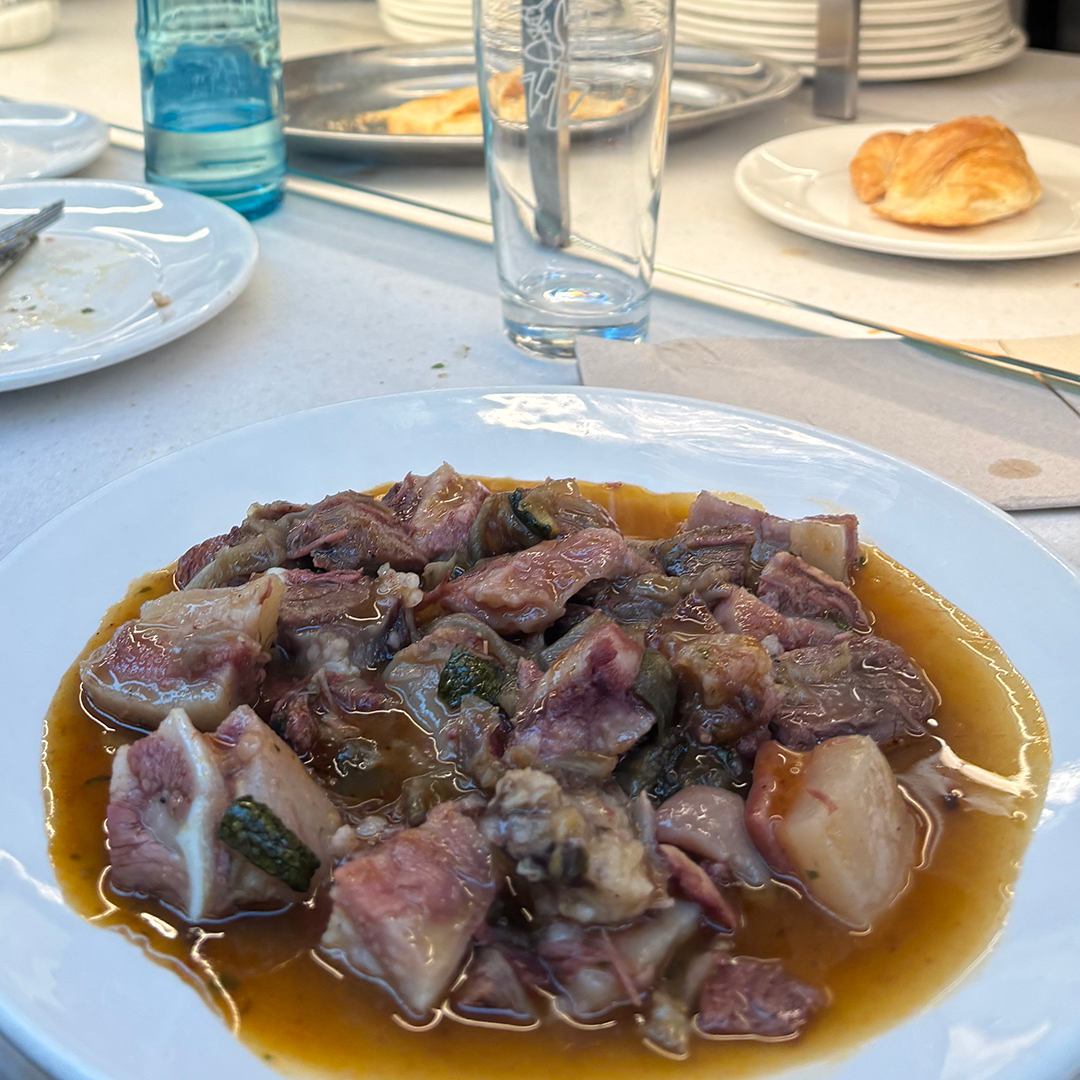
Cap i pota by Bar Restaurant Pinotxo,
Mercat de Sant Antoni
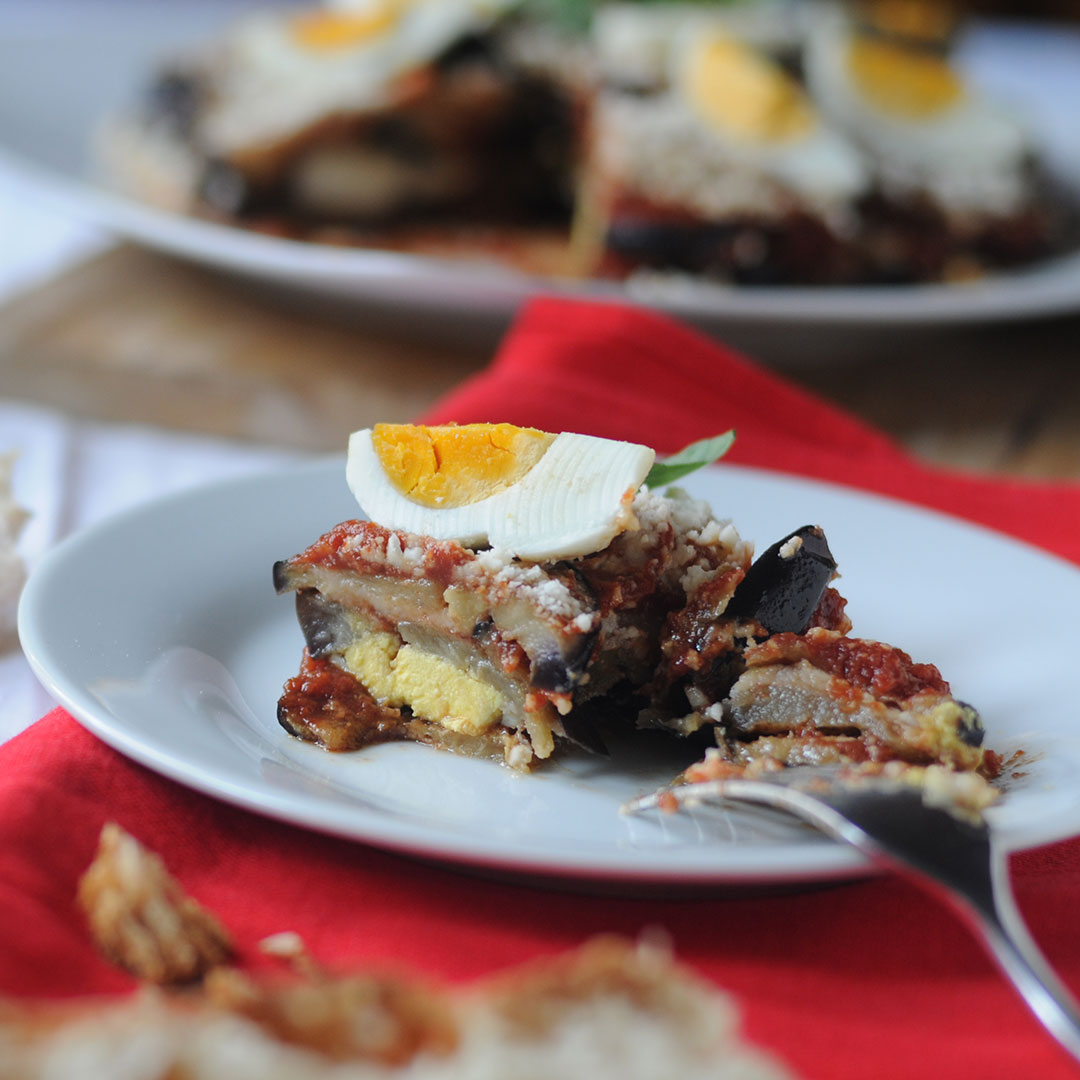
Popular Brunch Plates
A Battle of Breakfasts: Tradition vs. Modernity
In recent years, the rise of brunch culture in cities like Barcelona has posed a challenge to the visibility and vitality of esmorzar de forquilla. While brunch offers a globalized array of lighter, aesthetically pleasing dishes, esmorzar de forquilla stands as a resolutely local and robust alternative.
Albert Molins Renter critiques this shift in his book, lamenting the overshadowing of Catalan culinary traditions by imported gastronomic trends. For Molins, Catalan cuisine is not merely about sustenance; it is an integral part of cultural identity. Esmorzar de forquilla, with its historical roots and deeply communal nature, embodies the values and heritage of Catalonia, making its preservation a matter of cultural pride.
Molins argues that the changing face of Barcelona is not the fault of tourists but rather the tourism model adopted by Catalans themselves. He highlights that the embrace of foreign customs like brunch has led to the neglect of local cuisine and traditions. In this context, preserving and promoting the tradition of esmorzar de forquilla is seen as a crucial step in maintaining Catalan cultural identity.
About the author: Albert Molins Renter
Born in 1969, Albert Molins Renter is a journalist and author deeply committed to preserving and celebrating Catalan culture. As a contributor to La Vanguardia, he has spent years writing about food and society, with a particular focus on the intersection of gastronomy and cultural identity. His work consistently highlights the tension between globalization and local traditions, advocating for the protection of culinary practices as a form of cultural resistance.
In Esmorzar de Forquilla, Molins frames this traditional breakfast not merely as a culinary curiosity, but as a vital piece of Catalonia’s cultural mosaic. His book reflects his broader mission: to ensure that the region’s rich gastronomic heritage is not only preserved but also appreciated by future generations.
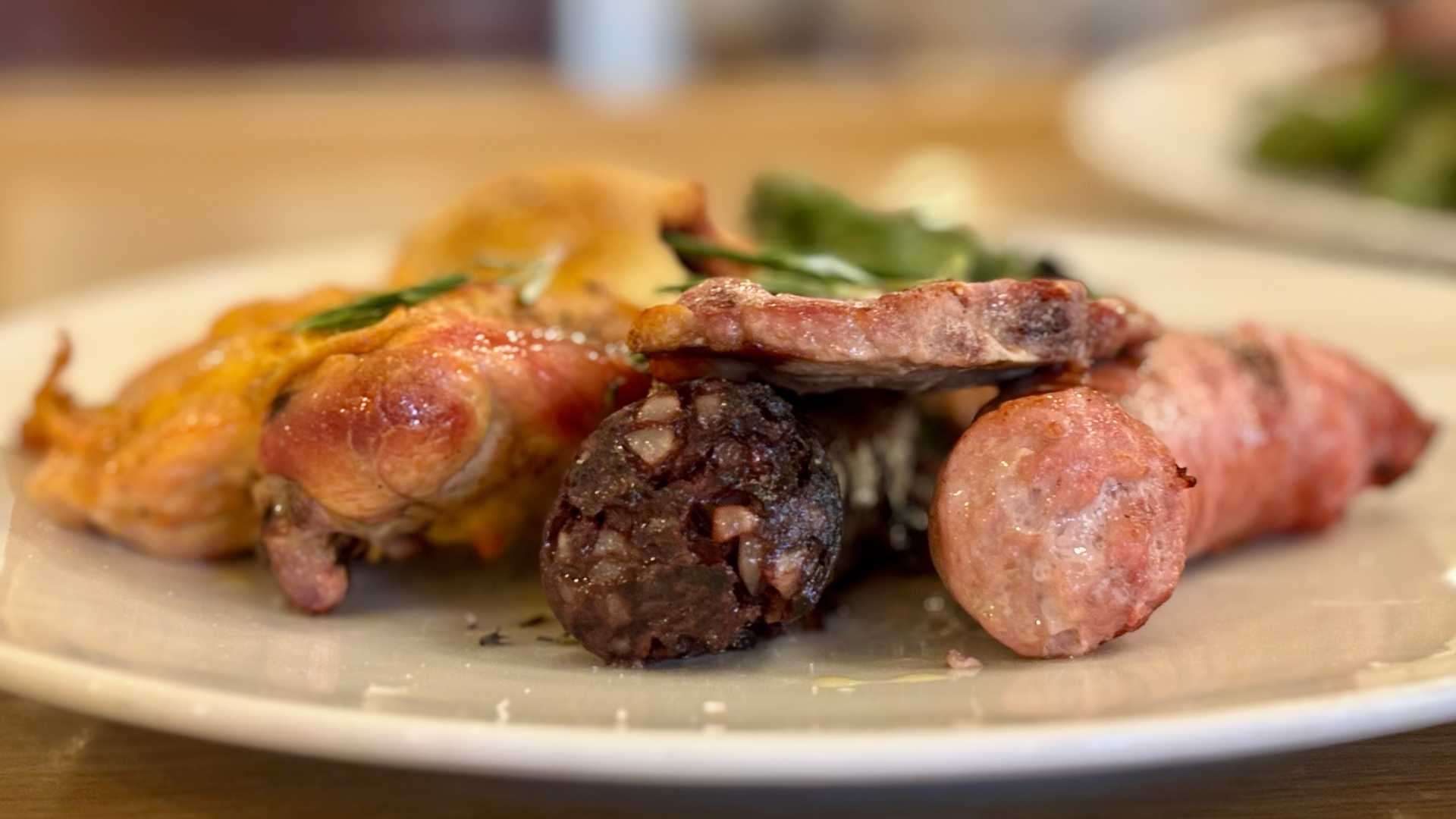
Albert Molins Renter’s Esmorzar de Forquilla is more than a guide to Catalan cuisine; it is a call to recognize and cherish the cultural significance embedded in the region’s culinary traditions. Esmorzar de forquilla is not just a meal—it is a living testament to Catalonia’s history, identity, and communal spirit. Through Molins’ work and innovative tools like EsmorzApp, this cherished tradition is finding new life in a globalized world, offering a compelling example of how local heritage can endure and thrive in the modern age.
This book is an invaluable resource for anyone interested in understanding how food intertwines with history and identity, illustrating the profound role gastronomy plays in the preservation of cultural memory.
