


Bosphorus Views and the New AKM
I do not say it because it is my city, but Istanbul is one of the rarest places in the world blessed with the most breathtaking views. There are many restaurants where you may dine while gazing at the Bosphorus, but only a handful grant you extraordinary angles, perspectives that make your heart falter.
Biz Istanbul, perched on the seventh floor of the Atatürk Cultural Center, is one of those privileged few. Despite its ambitious culinary concept, it is the panorama that enchants you, eclipsing the dishes.
Nearly forty years after I first set foot in the AKM, on a July evening I found myself on the terrace of Biz Istanbul, savoring a meal while drinking in the boundless vision of Istanbul, of the Bosphorus—yet it was not enough. I longed to see my city again in the full light of day. They said they accepted lunch guests without reservation, and that they were open on Mondays!
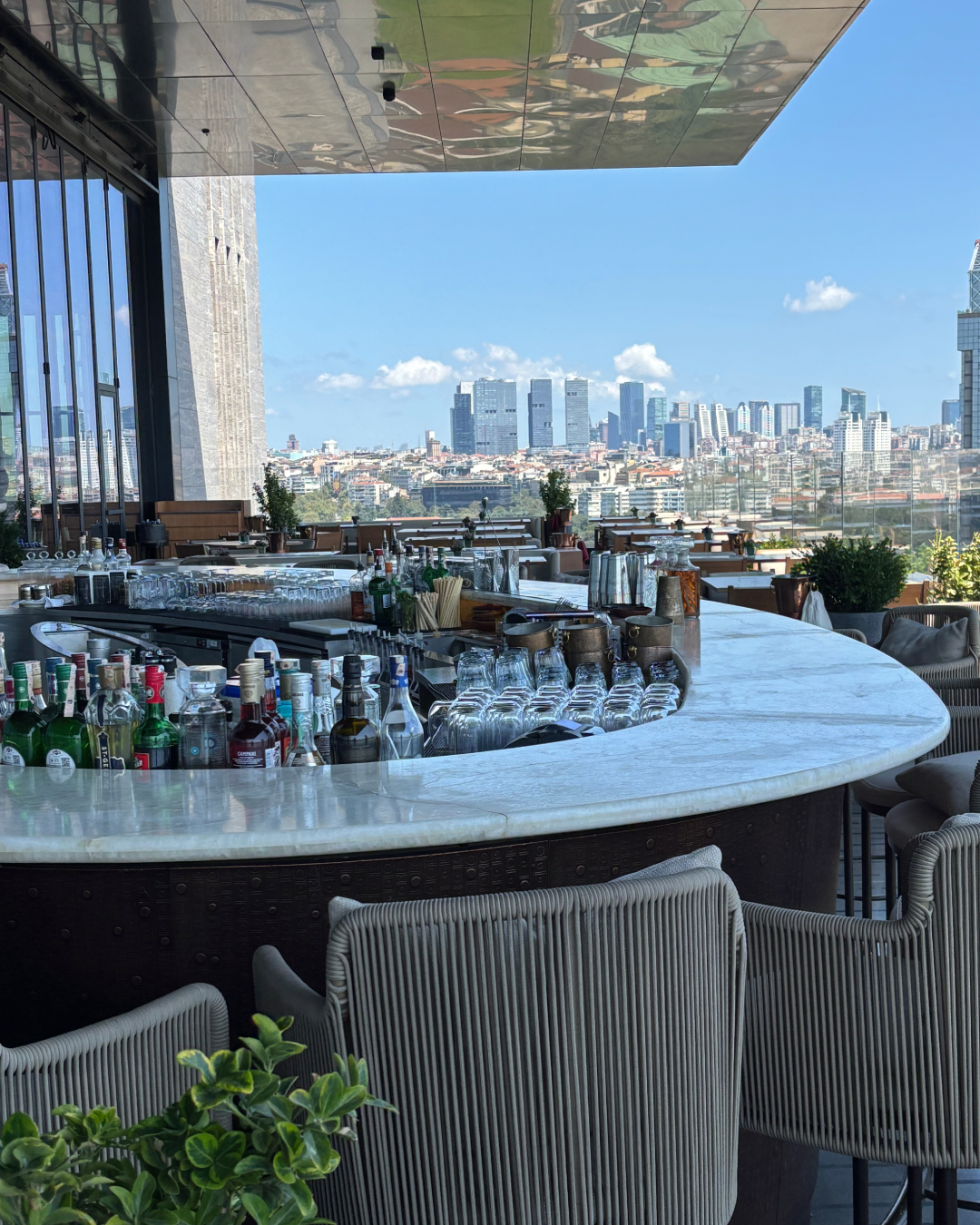
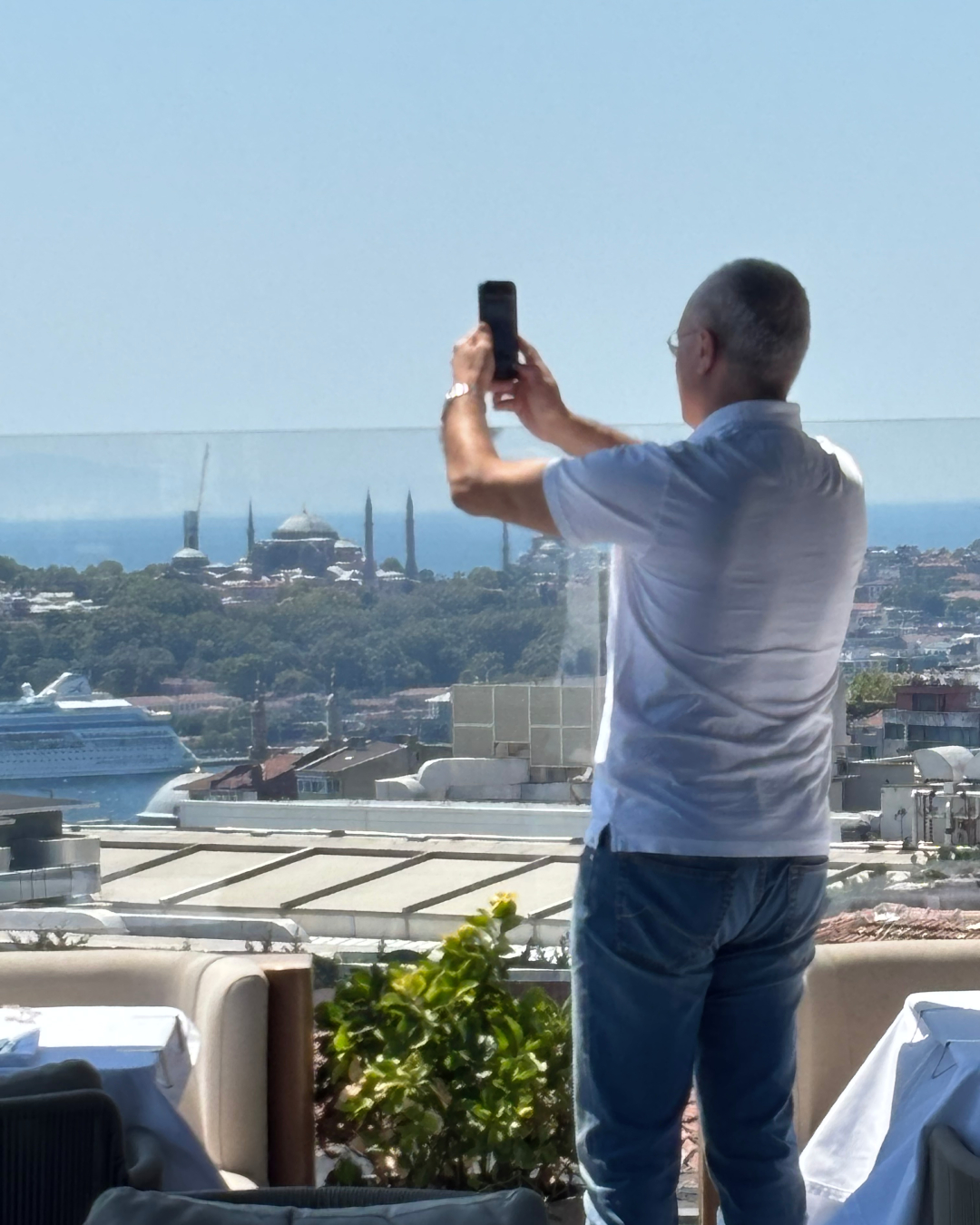
And so the following day, at exactly noon, I took my place at the bar on the terrace. Naturally, I was the first customer, and for a moment it seemed as though no one else would come. The silence was a balm. My gaze wandered across a horizon of marvels—from Galata to Hagia Sophia, and onward to the Bosphorus Bridge. I drifted back to my early twenties, to those moments when I truly believed fish leapt from the waters in pure delight, simply to salute the sky — not driven by fear of the great fish behind them, but compelled by joy alone.
It was the late 1980s. Apart from the cinema and, on rare occasions, the theater, my first genuine entrance into the cultural life of Istanbul came through İFSAK—the Istanbul Photography and Cinema Amateurs Club. At İFSAK I was not merely learning to shoot in black and white; I was, in truth, filling my habitus, layering it with cultural practices, sensibilities, and ways of seeing. For the first time I stepped into exhibition halls; as a university student whose axis of life was shifting toward the city center, I watched and listened far more than I spoke—yet I did not shy away from entering the conversation when I felt compelled.
And yet the Atatürk Cultural Center, with its monolithic black façade rising like a mausoleum on the far edge of Taksim Square, remained distant to me, unattainable. More than thirty years have passed, and my memory may fail me, but I believe my first entrance into that iconic building was through the side door, to visit a photography exhibition—Man and the Railway—by Sedat Tosunoğlu and İlteriş Tezer. It was, I recall, in the hall near the cinema.
What I know for certain is that ever since that day, photographs devoid of human presence feel lifeless to me, stripped of meaning. And from that day on, AKM became precious, beyond measure.
The AKM was the edifice of Turkey’s progressive and enlightenment-driven founding ideology: classical concerts, operas, ballets, exhibitions. Through the windows it opened, the outlook of an engineering student could be shaped, refined. Though one could walk in freely, it carried an air of alienation, a quiet barrier that whispered you did not quite belong. It was the temple of bourgeois culture. Even the electrifying ecstasy of Carmina Burana, which I heard—no, which I witnessed—from the second balcony, could not strip away that feeling of being a guest, an intruder.
It was only after I spent a night in front of the AKM, waiting for a Chick Corea ticket at the Istanbul Music Festival, that the invisible barriers lifted. What had once felt distant turned into belonging, and from then on I was at ease—a regular at Saturday concerts, a familiar face at exhibition openings.
And yet once change begins, it does not stop…
I realized that intellectual accumulation, without political awareness and struggle, was not nothing, but it was useless. My life shifted. One had to move beyond bourgeois culture.
Meanwhile, my country was tragically regressing. Democracy and law gave way to totalitarianism. Yet the liquidation of the Republic’s achievements would not come easily. The legacy of progress and enlightenment resisted with vigor the attempt to tear down AKM, to bury in darkness all the values embodied by Taksim Square. Neither side claimed full victory.
The weathered AKM building may have been physically demolished, but its spirit could not be extinguished. And so the New AKM rose again, with more advanced facilities, its iconic façade preserved, rebuilt by the ruling power. Once more, concerts, operas, ballets met Taksim Square.
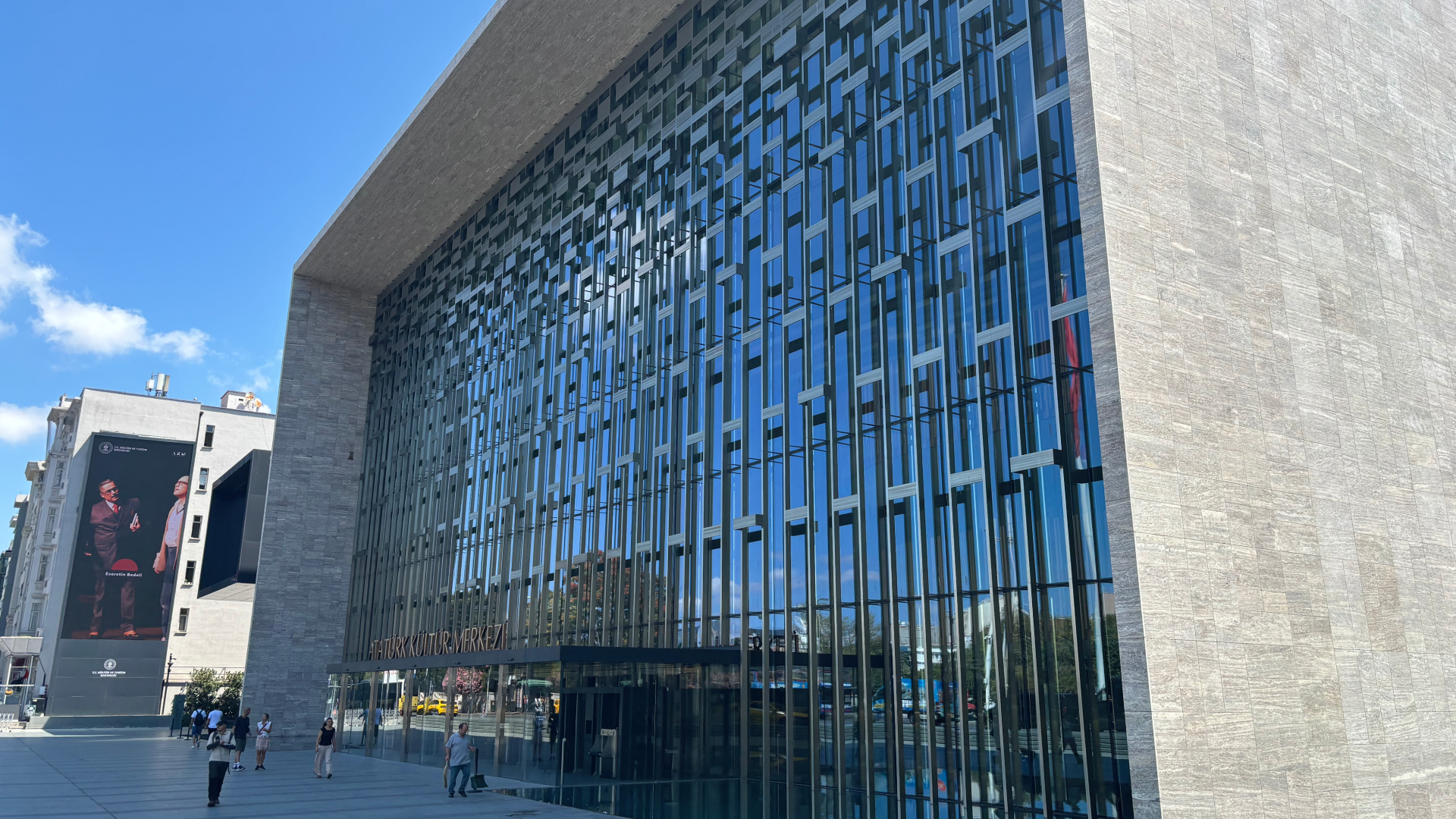
And yet the New AKM could never be what the old one was —a true cultural axis, an instrument of enlightenment. Turkey itself was no longer the same. As everywhere in the world, all that is solid does not simply melt into air; rather, as with everything once held in common, culture and art too have, in this process, been both commercialized and commodified. To attend a concert is no longer to participate in a shared cultural experience, but to consume; the concert itself has become a commodity, bought and sold like any other good.
In such a climate, it was inevitable that the New AKM would open its doors not only to concerts and exhibitions, but also to select brands and refined dining. What once carried the aura of enlightenment now accommodates the rituals of consumption—a transformation realized under Erdoğan’s rule, through the liquidation of a public-oriented legacy and the subjection of every fiber of the social fabric to the market.
The New AKM was no longer a cultural axis nor a vessel of enlightenment, for Turkey itself had changed. As everywhere in the world, the public gave way to the commercial; art and culture became commodities—consumed and traded rather than shared. Even within the AKM, neither the orchestra’s musicians nor its habitués could find a place suited to modest budgets…
In short: culture itself had been marketized. And at the summit of this New AKM, lies Biz Istanbul, with its glorious Bosphorus view.
Istanbul Cuisine
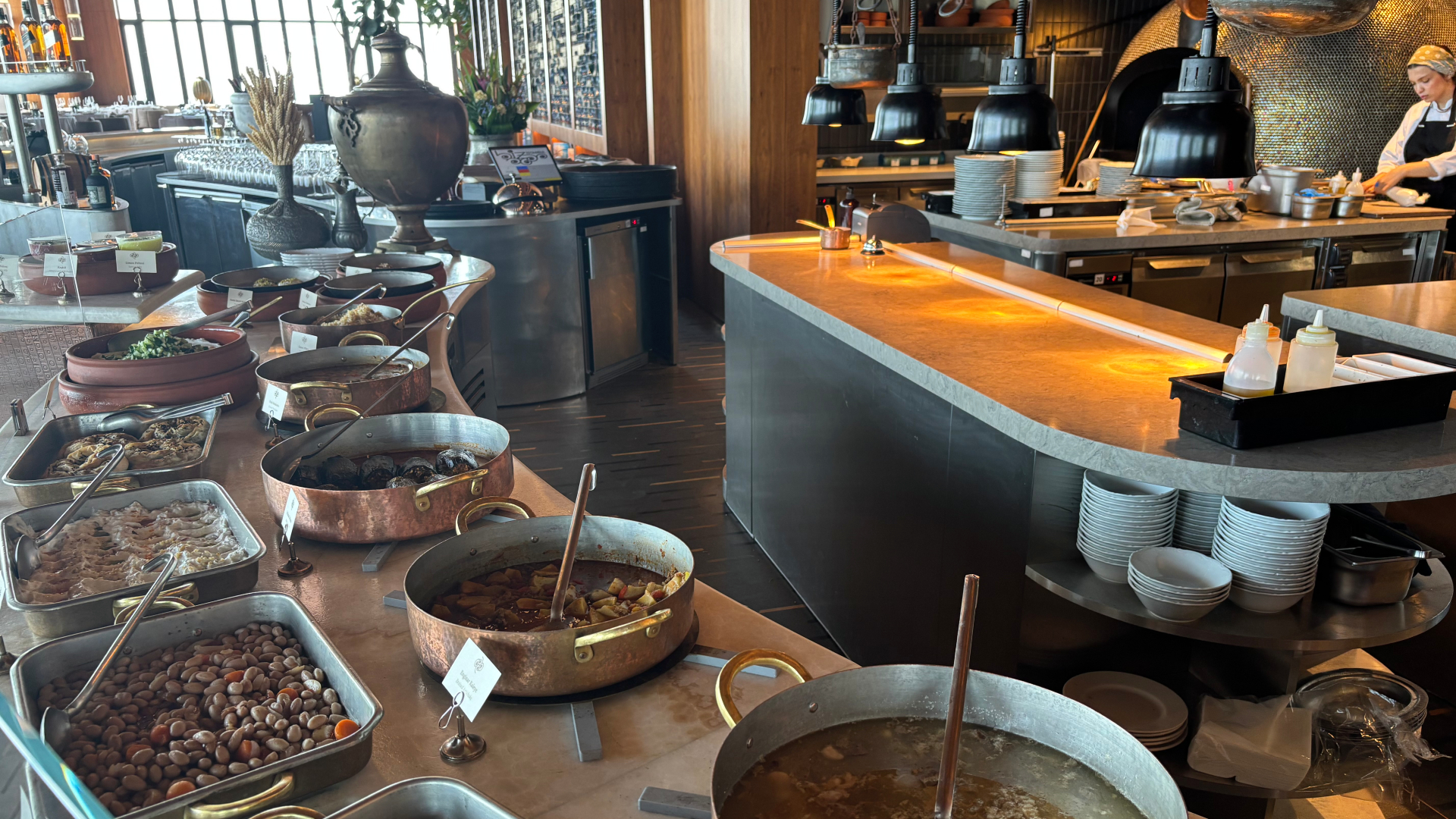
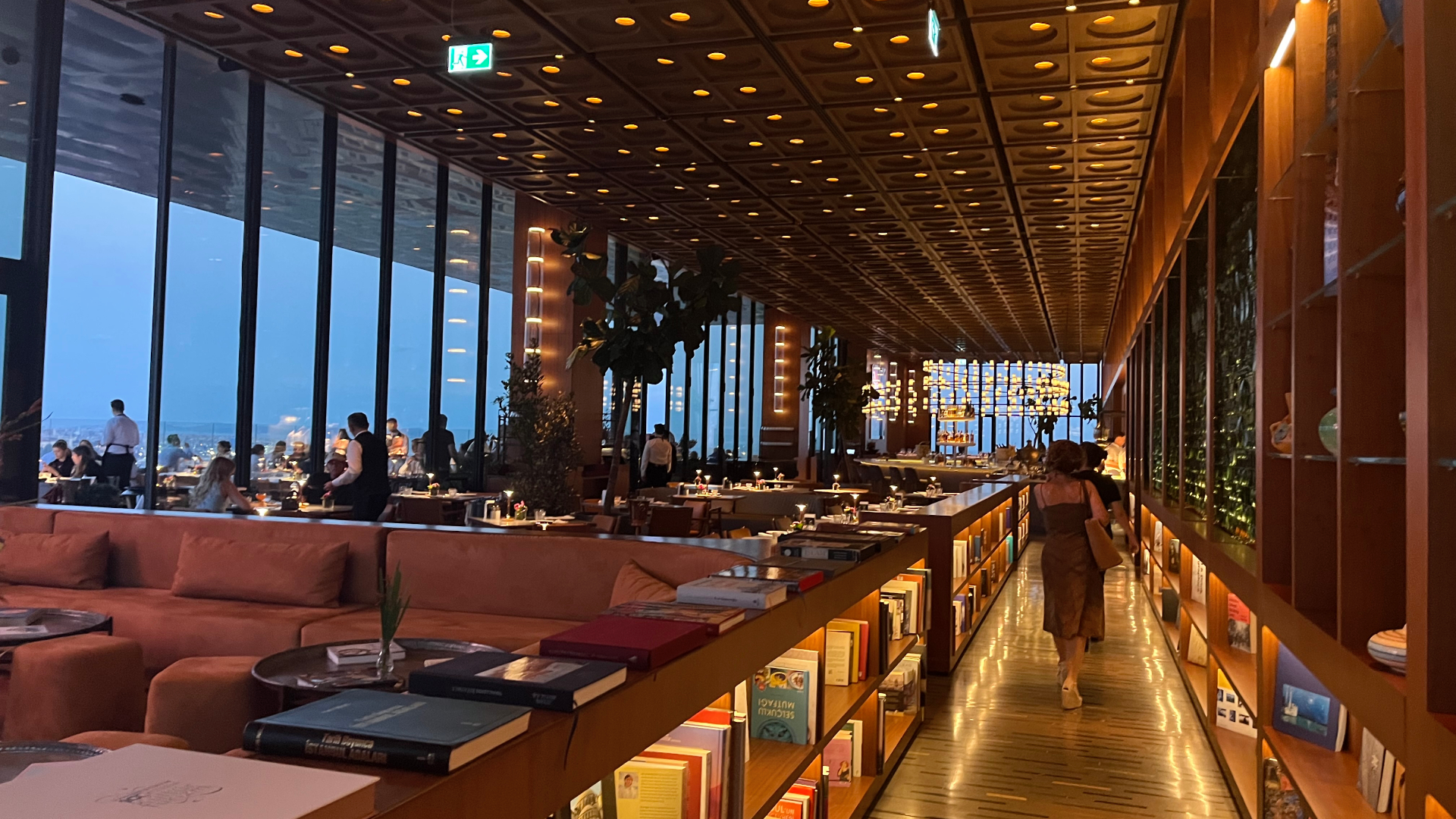
The menu at Biz Istanbul draws inspiration from all the ethnic and religious strands that shape the city’s kitchens: Anatolian, Turkish, Greek, Armenian, Ottoman, Middle Eastern… In truth, they have written into the menu what a local Istanbul tavern ought to be—or perhaps once was. Not Italian, not French, but rooted here. It feels like an act of claiming the city, and it harmonizes wonderfully with the view. The interior design, too, the atmosphere created in the closed dining hall, is striking. Some might say the menu is too varied, yet the place is vast, and they have made good use of that breadth. The real challenge now is to ensure that this magnificent terrace with its extraordinary panorama, together with the grand hall, is filled at lunch and dinner with diners who depart content.
Because I visited both at night and at noon, I had the chance to try many dishes, and most were above average. If you consider that much of what you pay is for the view, the food itself is not excessively priced—especially if one keeps to the stews and pots on the lunch menu.
My first visit was for dinner. From the à la carte menu, what remains most vivid in my mind is the sweetbread: grilled as if fresh from the butcher, barely cleaned, much like my mother used to cook it. The sweetbread itself was juicy, flavorful; but beware, untrimmed membranes can catch in the throat—you must eat carefully! The garnish of diced potatoes and carrots placed beneath or beside it served no purpose beyond filling the plate; the dish would not have suffered without them.
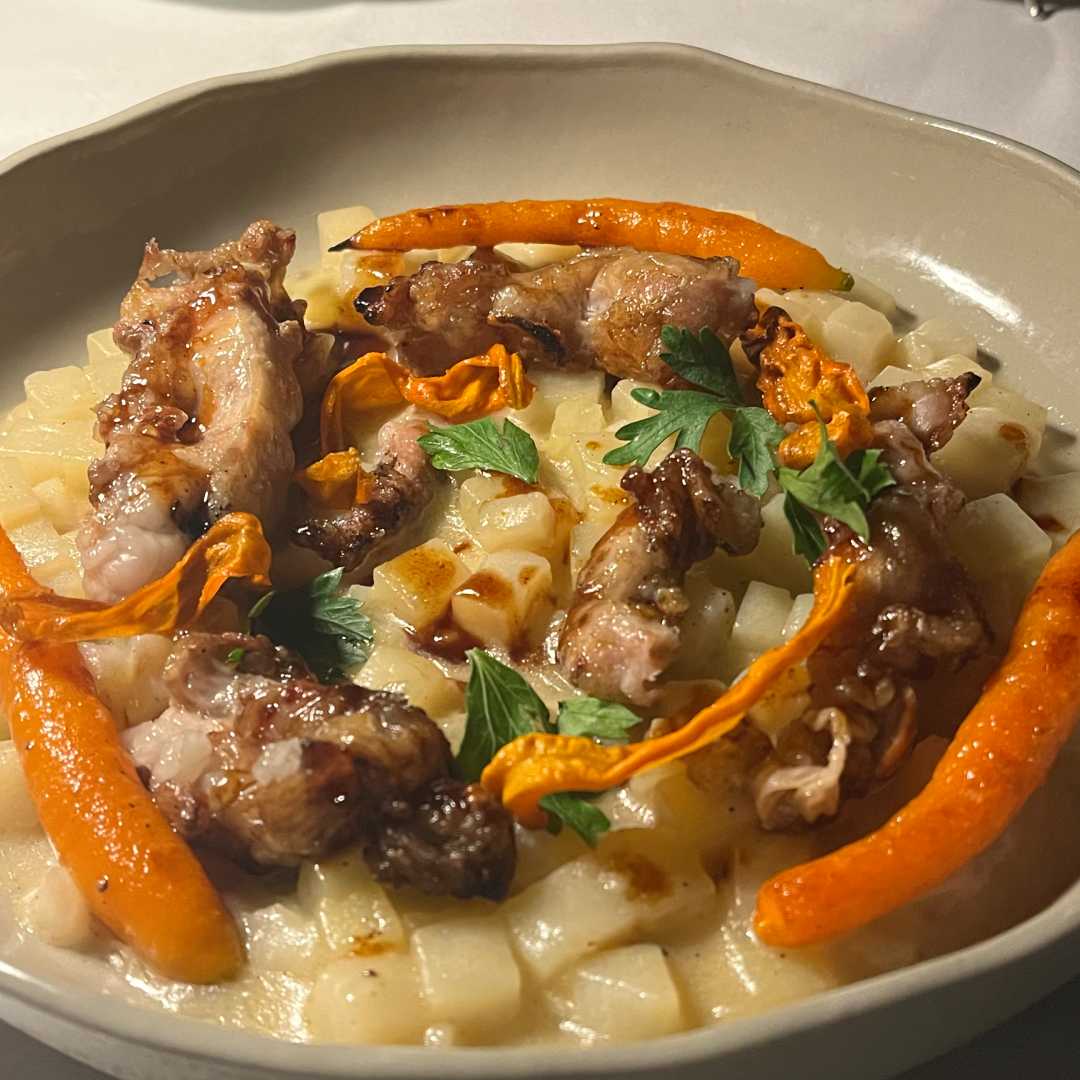
Sweetbread
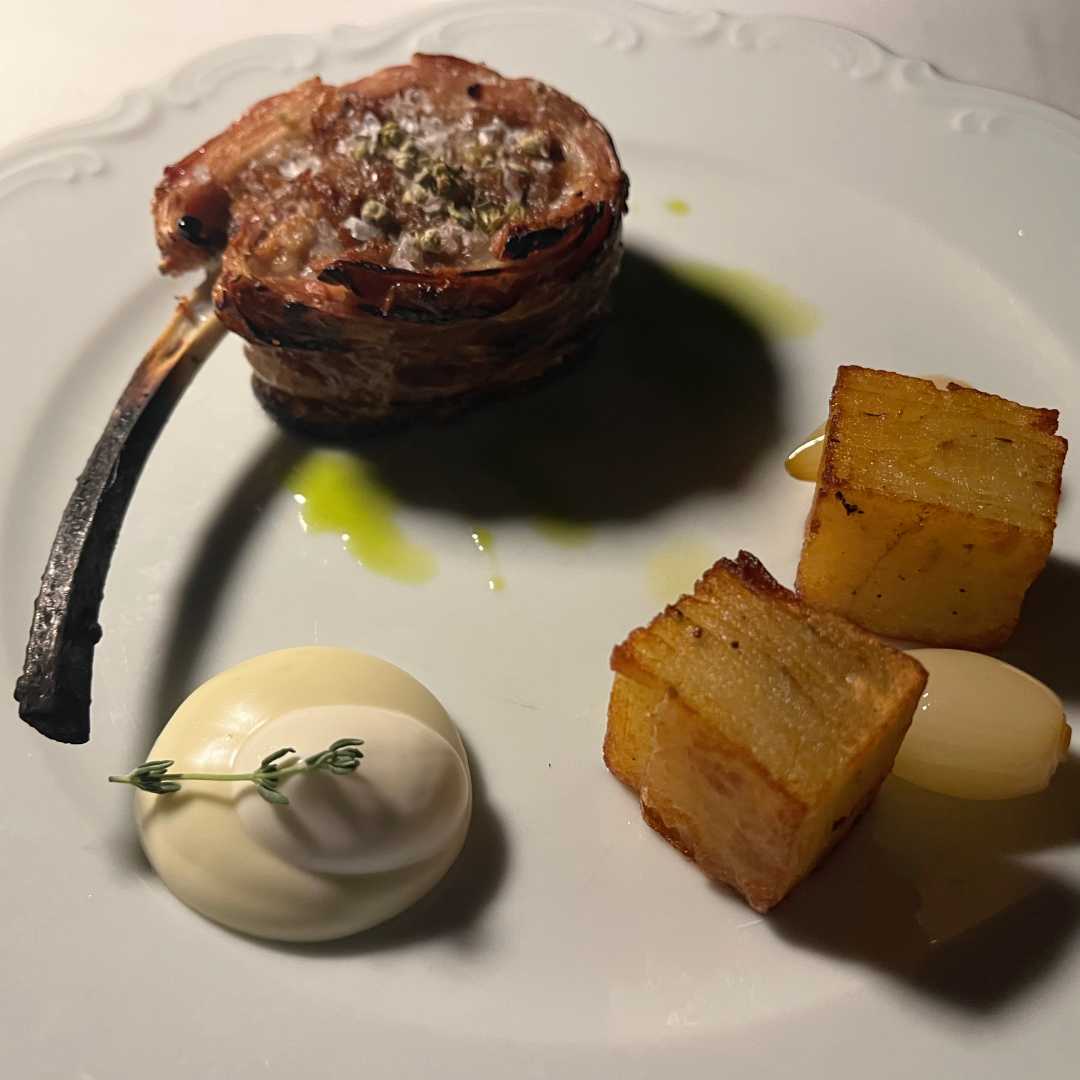
Kokoreç
The kokoreç was another notable taste, yet it would have been more satisfying without the lamb chop forced into its midst. The two clearly require different cooking times: the kokoreç was delicious, but the chop ended up dry, overdone, a poor companion. If one is bold enough to put kokoreç on the seventh floor of AKM, then why not bring up a street cart, set it on the terrace? If an ekmek-arası feels not enough fine or crude, then tuck it into small pitas, call it “Pitada Koko,” and watch the queue form at the entrance day and night.
The meat-filled phyllo pie was also to my liking: nothing missing, nothing in excess, simply a proper börek—the satisfying union of meat, black pepper, and vegetables encased in crisp, whispering layers of pastry. I ate it both at dinner and at lunch.
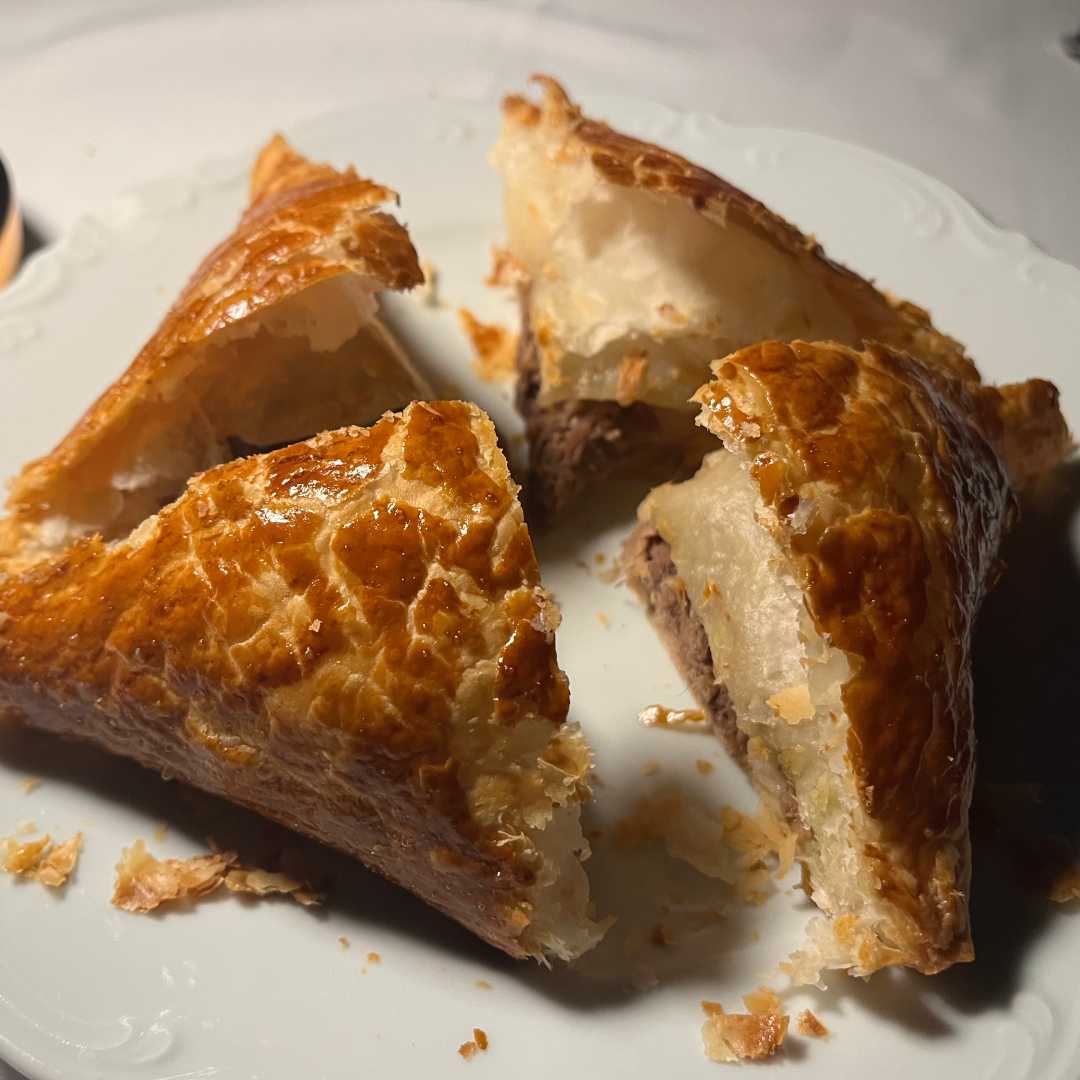
Meat-filled Phyllo Pie
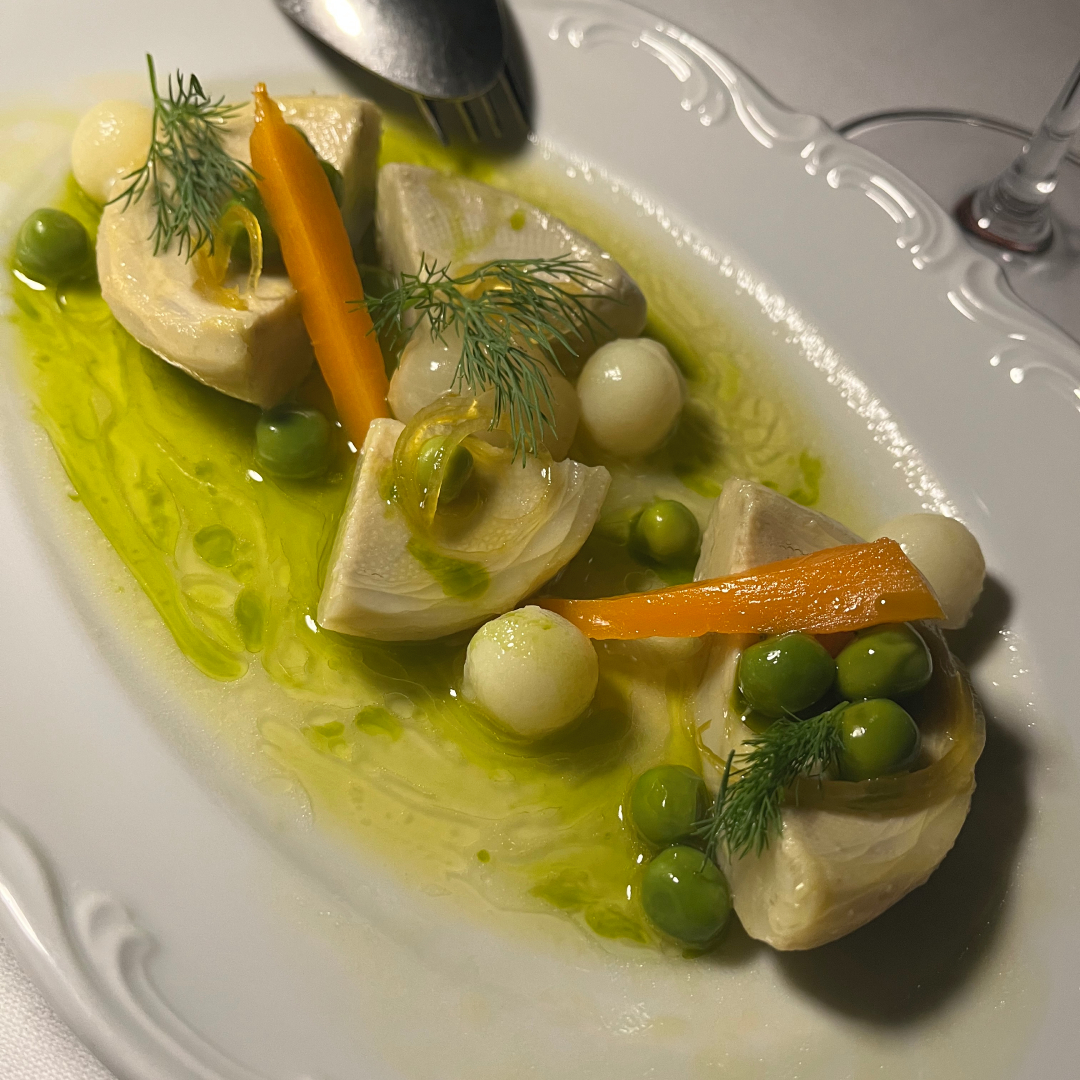
Artichoke
Likewise, the artichoke and mussel pilaf achieved a respectable level, lifting the average. But the lamb shank (kuzu incik) failed: instead of melting into tender layers that fall apart with their own juices, it was diced into cubes, and thus lost the essence of what makes the dish a classic. Interpreting a traditional dish without asking what makes it what it is so often leads here: a pale imitation of the original.
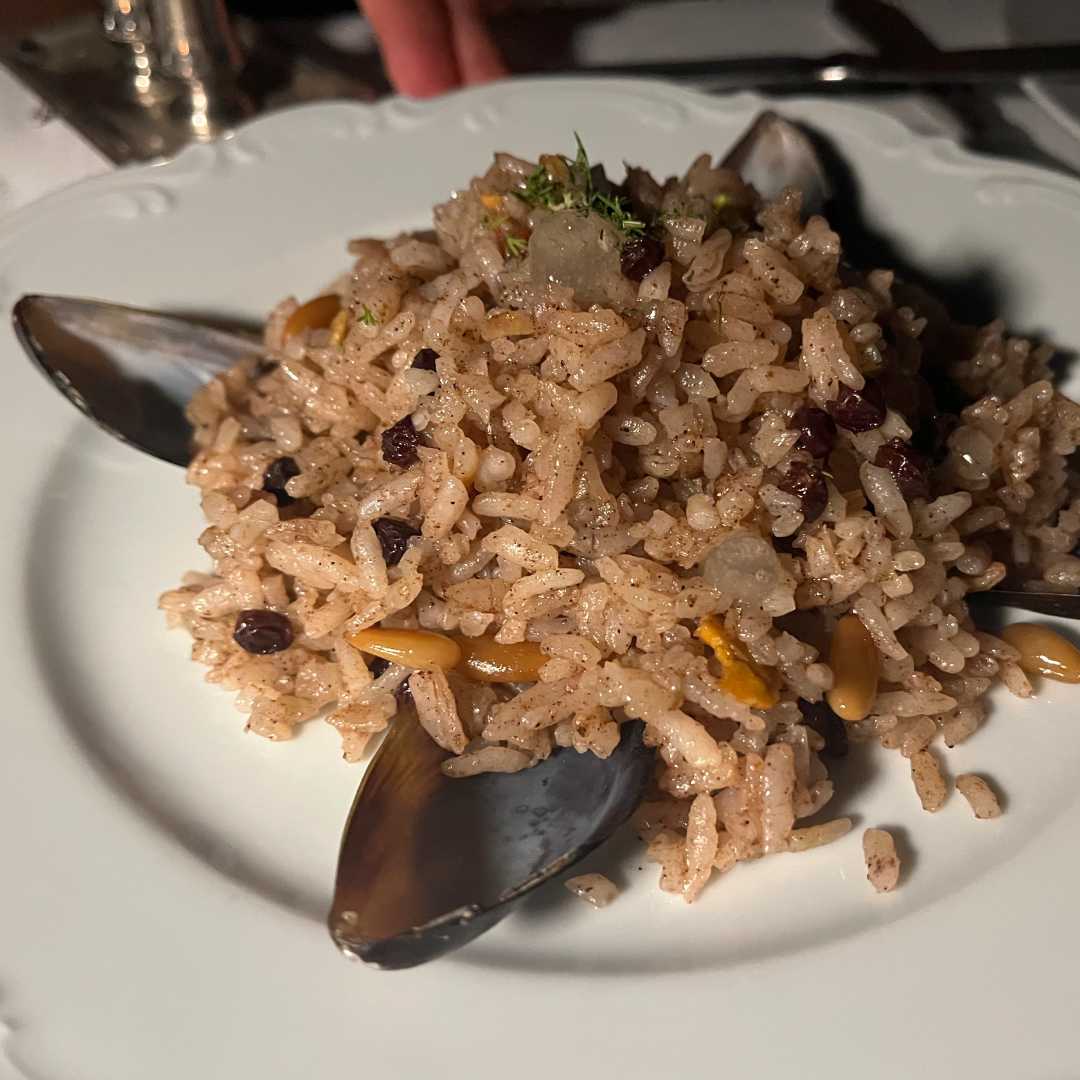
Mussel Pilaf
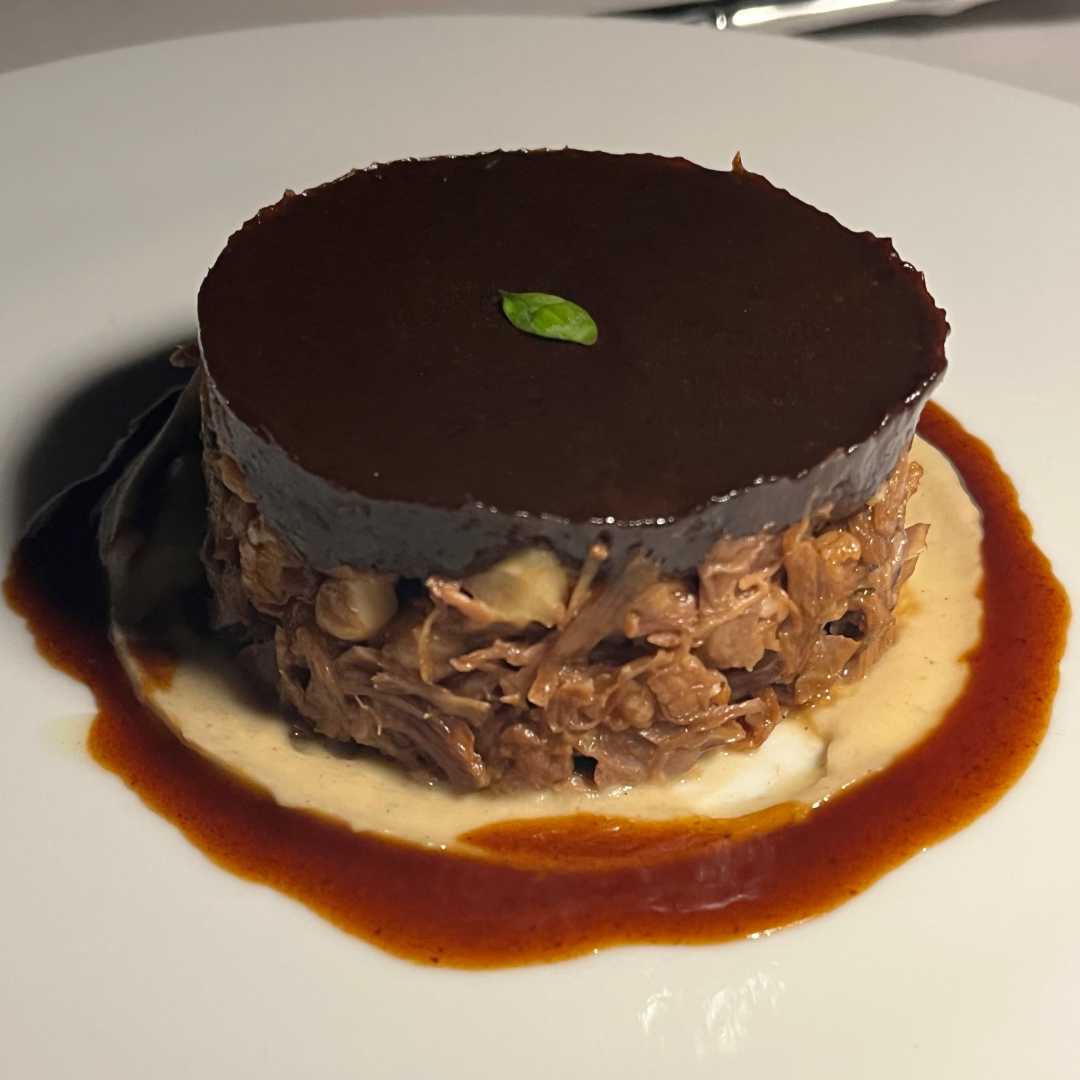
Lamb Shank (Kuzu İncik)
The preparation of the black seabream (karagöz) was a fiasco. Perhaps it had to be farmed—no other sourcing was possible. Perhaps the pressure to offer a “fish dish” on the menu was irresistible. But then at least cook it properly, right? On that plate, the beans—frozen, clearly—shone brighter than the fish itself. The stews of the lunch menu were average overall.
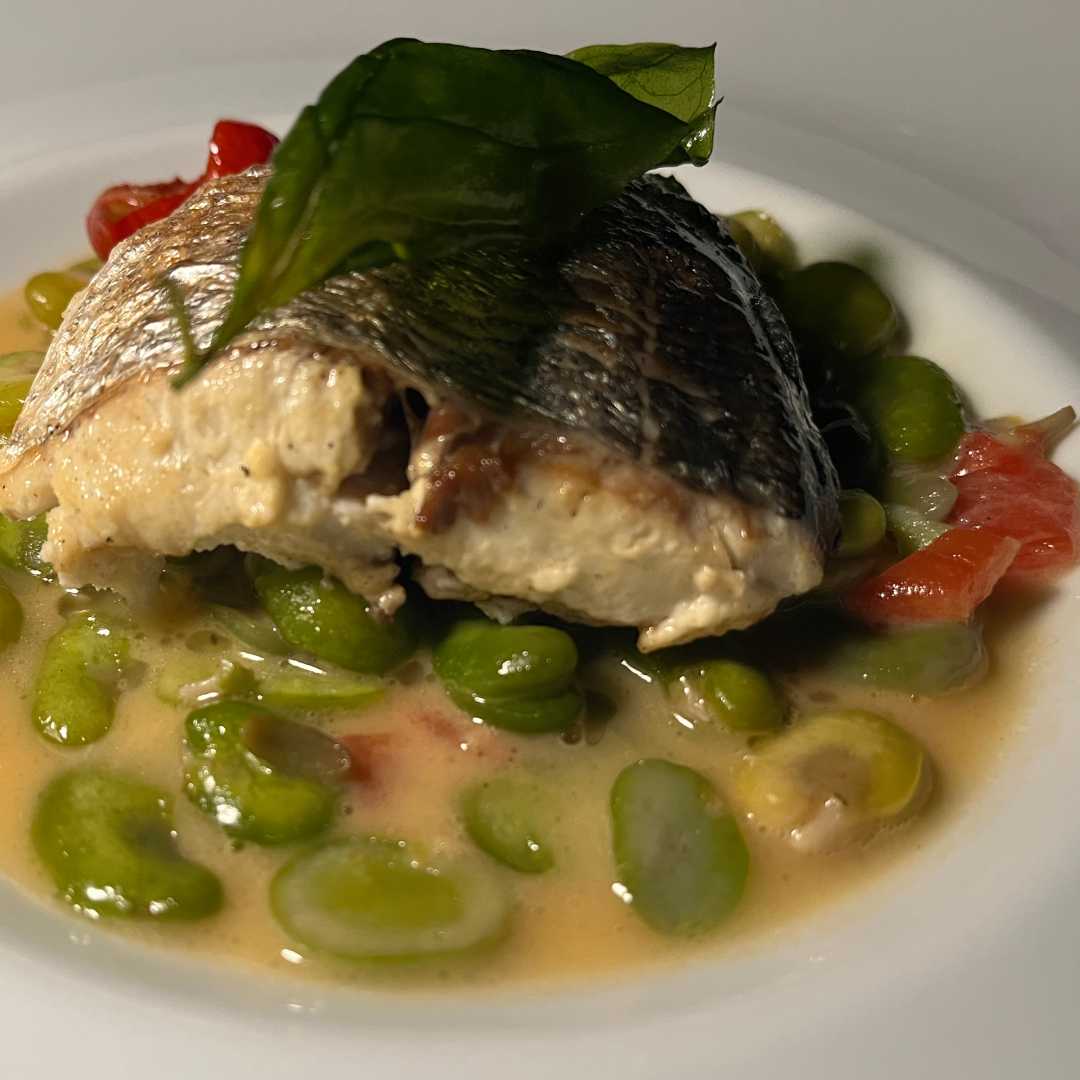
Black Seabream (Karagöz)
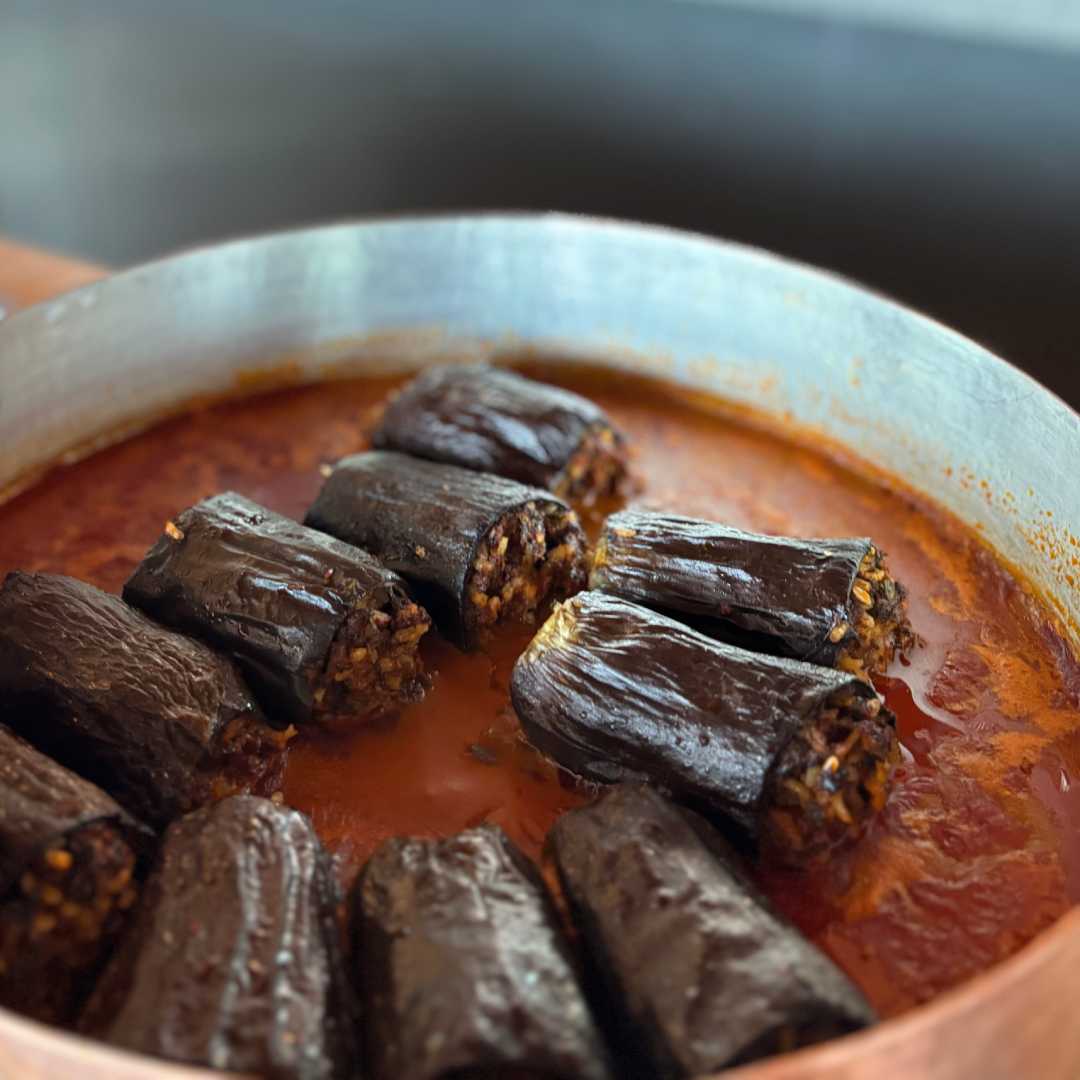
Stuffed Eggplant
Among those I tried, the stuffed eggplant and the papaz yahni lifted the standard, while the bean pilaki dragged it down. Its color cried out that it was stale, yet they dared to call it “May Day Pilaki”! At a restaurant standing in Taksim Square—once called May Day Square for hosting the struggles of labor—to name a dish thus demands genuine respect for history, and a care in preparation that was absent here.
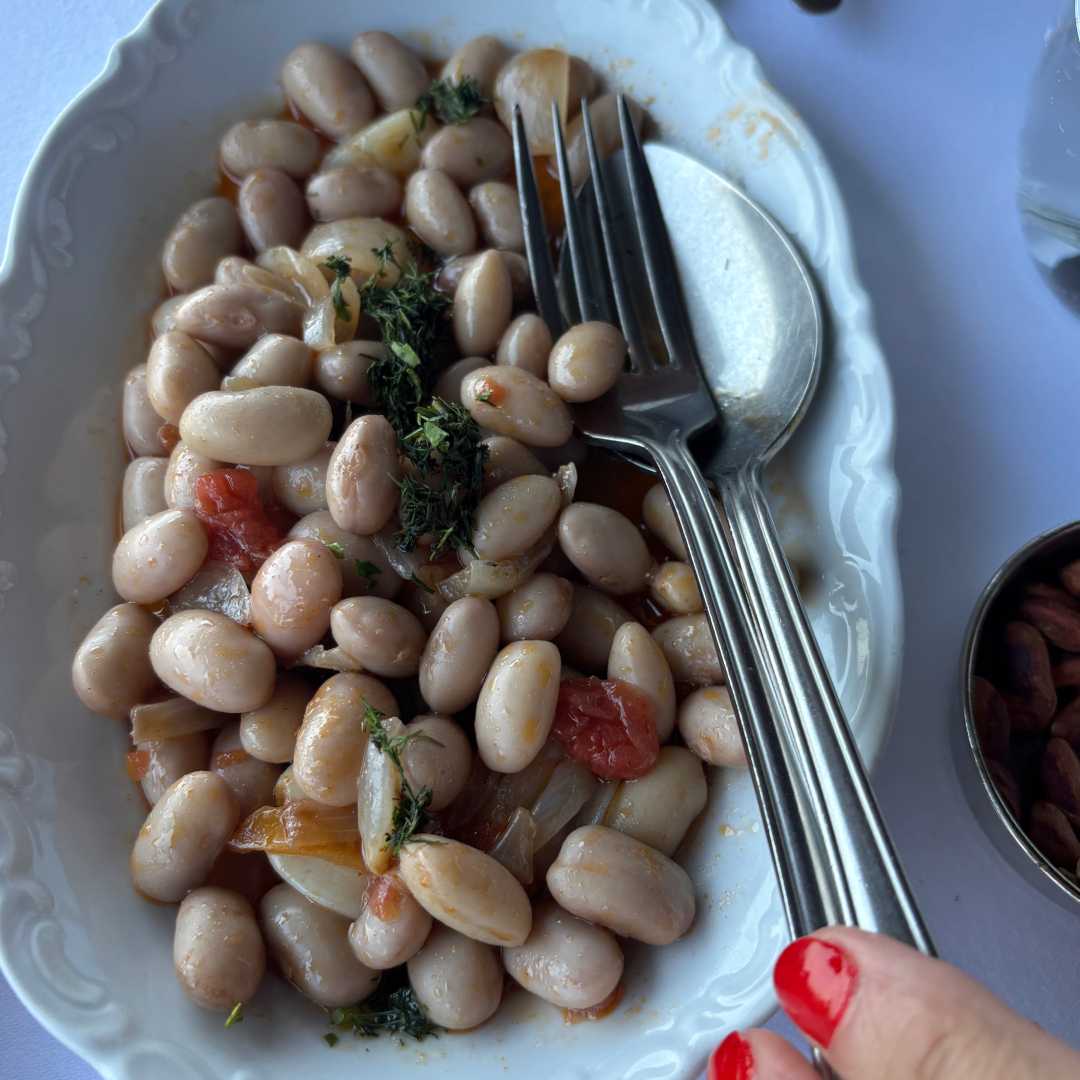
May Day Pilaki
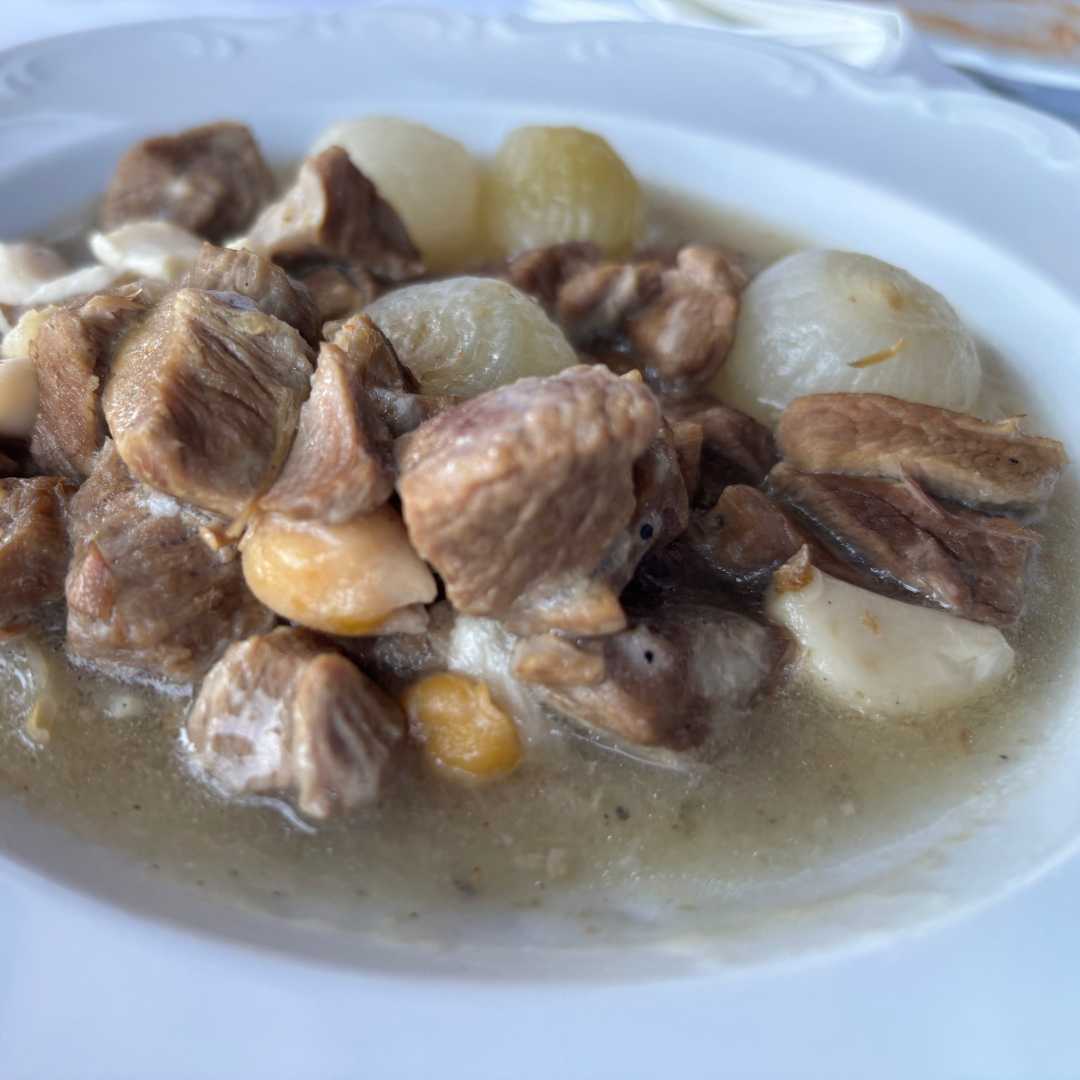
Papaz Yahni
There are tradesmen’s restaurants in the city with far broader and far better lunch menus than Biz Istanbul. They lack this panorama, but they carry with them the flavors of memory, as at Lades or Şahin. At dinner, prices push against the €50 ceiling of “United Plates,” and the balance between taste and price tilts unfavorably. Yet if Biz Istanbul makes an effort at lunch—ensuring flavor, variety, and price that do not dismay—it could become lasting. Social media may draw visitors from afar for a single dinner, but the restaurant can build its true identity only if it becomes a center of gravity at midday.
One last note must be made: the quality of service is excellent. In the evening especially, both technically and in care, warmth, and the relation with the guest, the staff are at just the right balance—exactly as it should be. Credit must be given to Mr. Aykut and his team. Hopefully, this success will shine through more in the kitchen, that the restaurant will focus on deepening its concept—nourishing it with flavor rather than trying to substitute marketing for substance.

Lezzetleri duygularla harmanlayarak aktarman yazıyı çok sürükleyici kılmış. Emeğine, kalemine sağlık.