


Offal is undoubtedly one of the most iconic pillars of Istanbul’s culinary heritage, and Arnavut ciğeri (Albanian-style liver) stands at its heart. However, the prestige of offal is not a modern invention; its journey begins in the bustling markets of Ancient Rome.
In Roman urban life, offal—the quinto quarto or “fifth quarter”—was the soul of the city’s kitchen. While the elite enjoyed prime cuts, the common folk of Rome transformed the “lesser” parts into culinary masterpieces, embedding offal into the very fabric of urban gastronomy as a symbol of resourcefulness and flavor.
Centuries later, Istanbul inherited this ancient reverence for offal. Contrary to popular belief, Arnavut ciğeri is far more than just fried liver; it is the physical manifestation of migration, identity, and a shared Mediterranean history on a plate.
My mother always used to say, “There’s a reason it’s called Albanian liver.” Indeed, this dish’s entry into Istanbul’s kitchen was paved by immigrants from the Balkans. During the late 19th century, Albanians arriving from the Ottoman Empire’s Rumelia territories brought more than just suitcases; they brought their culinary soul. Historical accounts suggest that the specific technique of flouring and deep-frying liver was first introduced to the city by Albanian butchers, who mastered the art of turning offal into a street-side delicacy.
If you look closely, the stories of many famous shops began in neighborhoods shaped by migration—districts like Küçükpazar, Balat, Samatya, and even my own Gaziosmanpaşa.
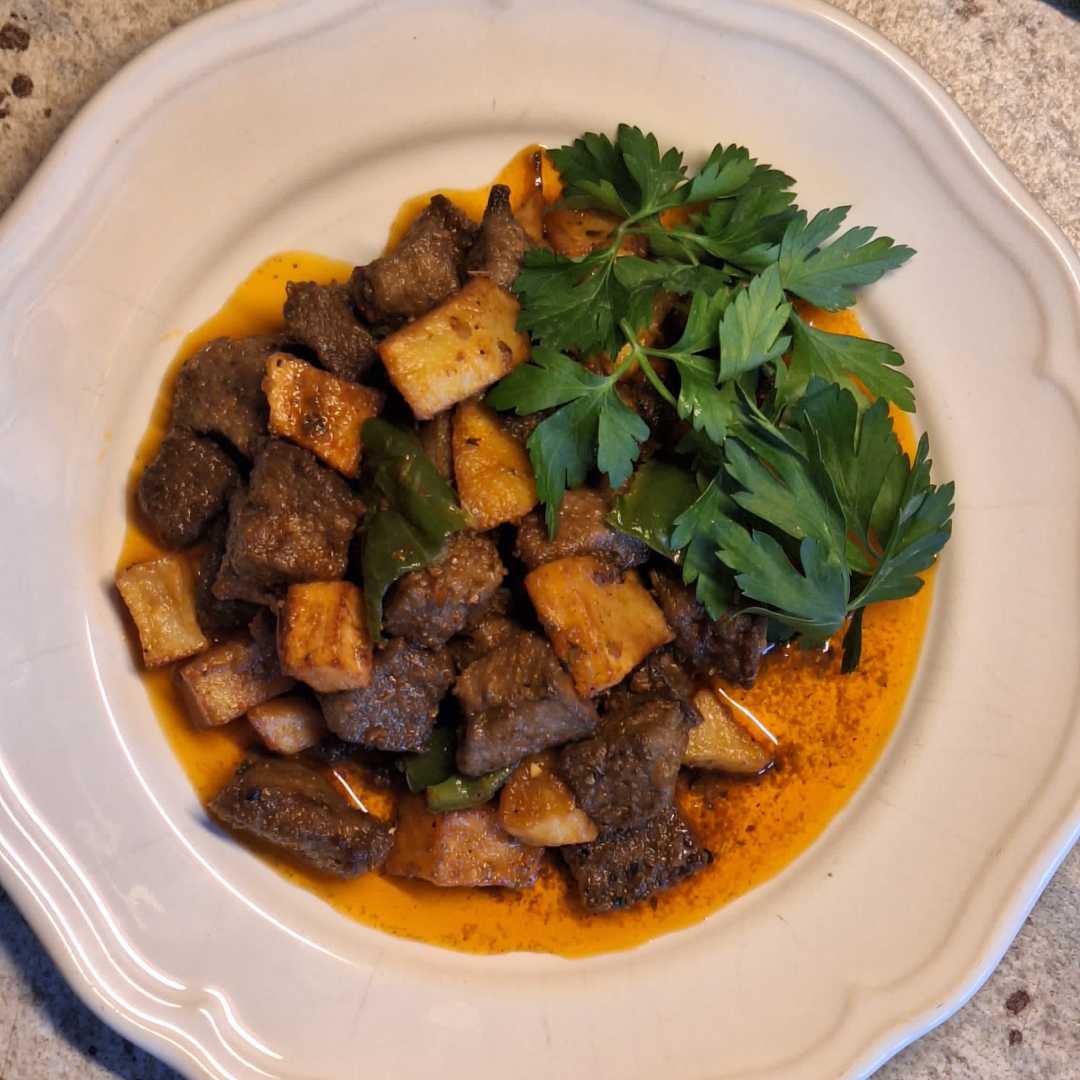
I have been cooking this recipe for years, yet I still work tirelessly to achieve that perfect crispiness my mother used to master—a texture that echoes the ancient kitchens of both Rome and old Istanbul. Here is the recipe for Arnavut ciğeri as it is cooked in our home:
This recipe is far more than just a dish; it is the very essence of a folk culinary tradition. What began as a humble contribution to the table by Albanian immigrants arriving in Istanbul has, over time, transformed into a quintessential local staple, now synonymous with the city itself. Arnavut ciğeri stands as a small yet profound testament to Istanbul’s multi-layered identity.
Today, as I continue to prepare this recipe in my restaurant, a Balkan breeze still sweeps through the kitchen. I might find myself humming a sevdalinka in the background or serving it on an antique plate inherited from my grandfather. For the soul of this dish lies not only in its flavor, but in its history and the people who kept it alive.
Ingredients (Serves 4)
- 500 g beef liver (membranes removed, cut into cubes)
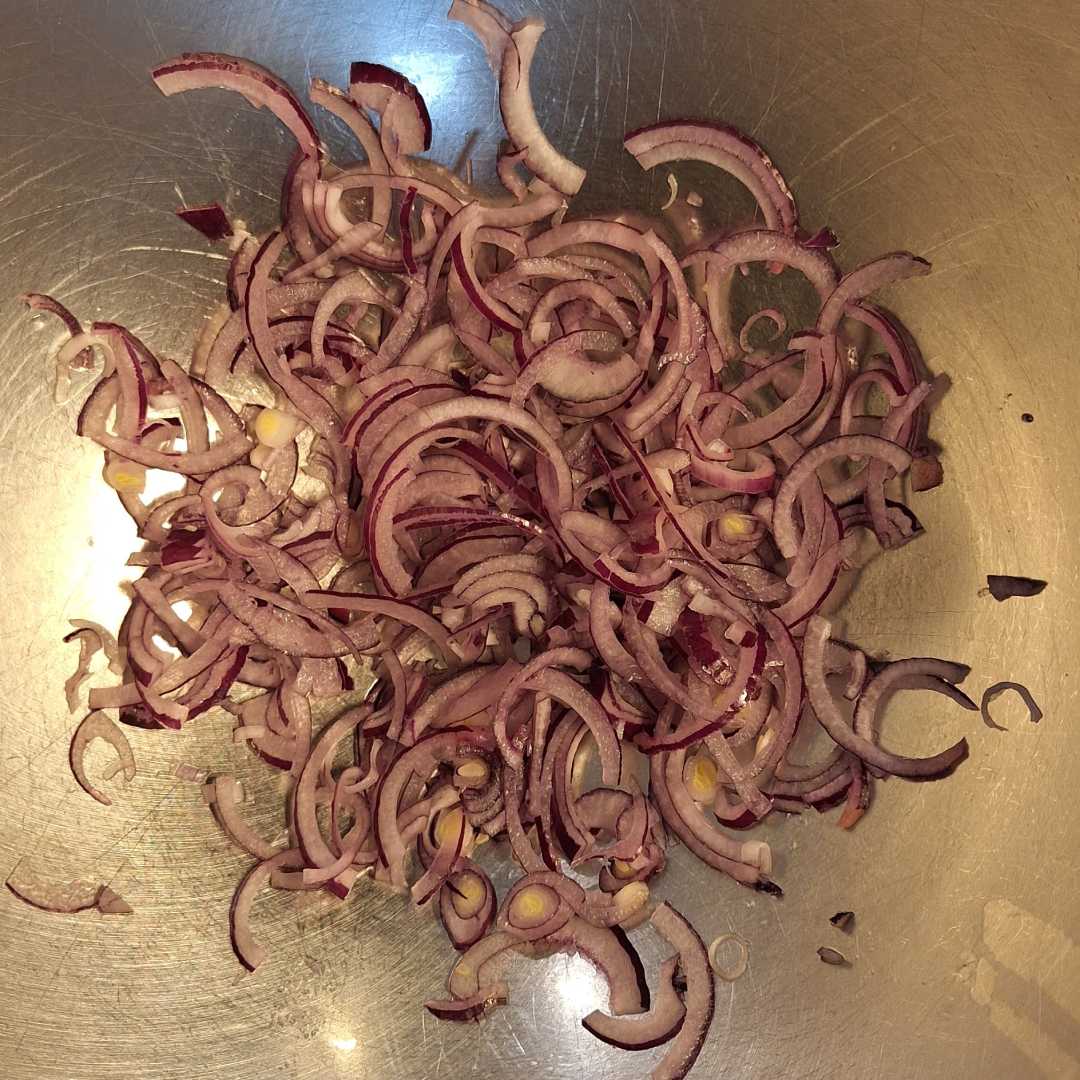
- 1 small red onion (finely sliced)
- 2 medium potatoes (cubed)
- 2–3 green peppers
- 1/2 bunch fresh parsley (for serving)
- 1 cup all-purpose flour (for coating)
- Sunflower oil (for deep frying)
Spice Mix
- 1 tsp ground cumin
- 1/2 tsp black pepper
- 1 tsp ground red pepper (not chili flakes)
- 1 tsp dried oregano
- 1/4 tsp ground cinnamon
Preparation
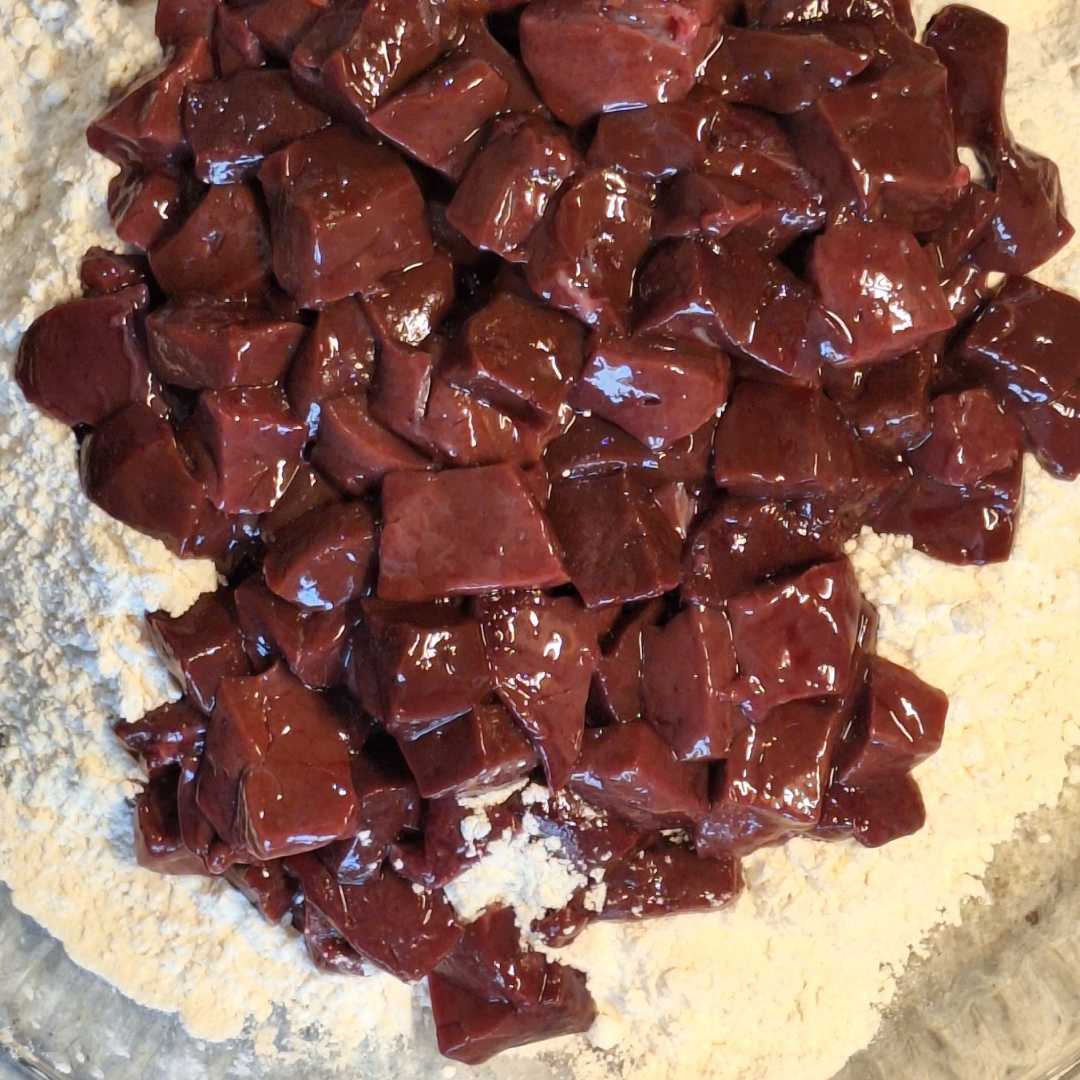
- Cut the liver into bite-sized cubes and remove any visible membranes. Do not wash, as excess moisture will affect frying.
- Cube the potatoes and soak briefly in water to remove excess starch, then dry thoroughly.
- Slice the red onion finely.
- Roughly chop the parsley.
Cooking
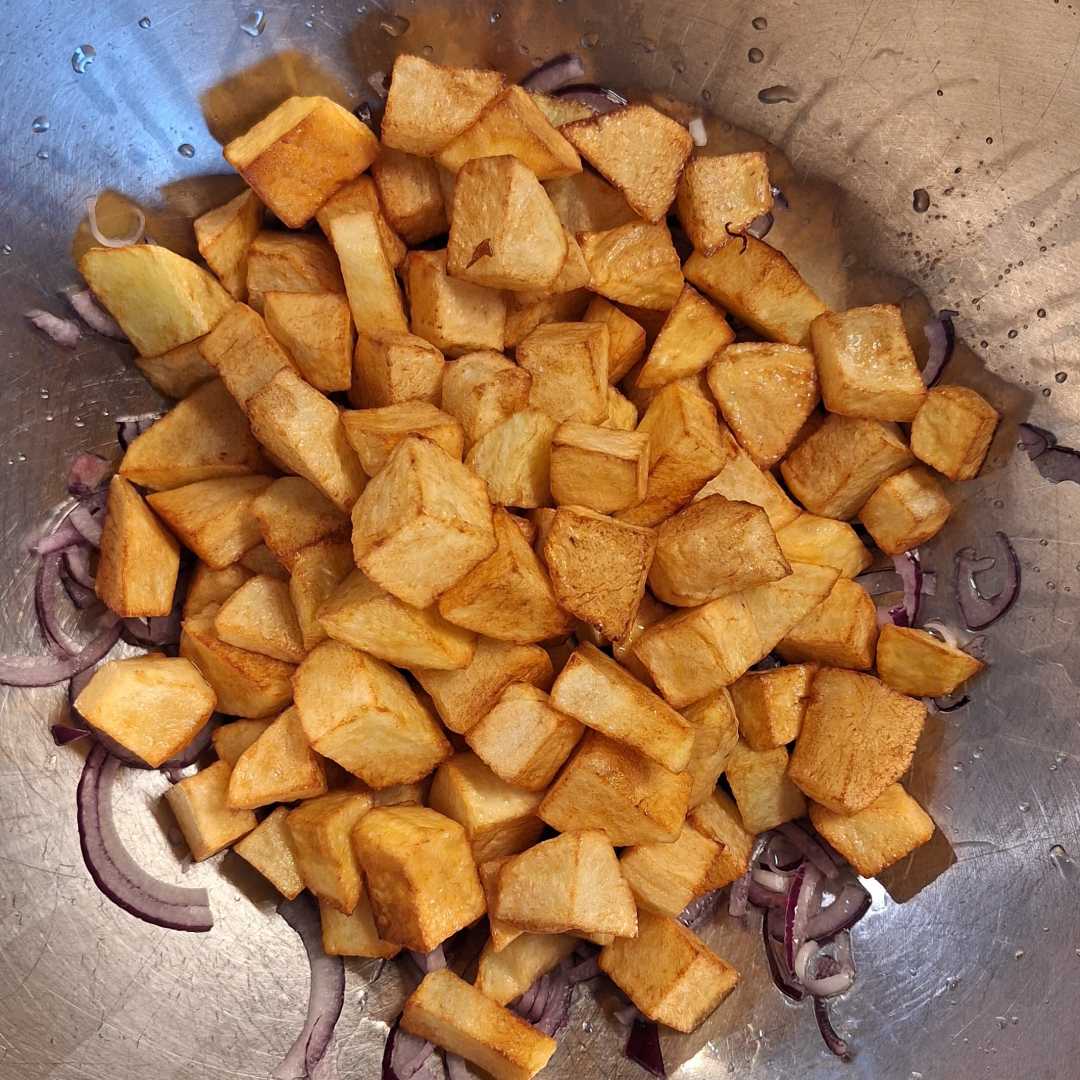
- Fry the potatoes: Deep-fry the potatoes until golden and crispy. Set aside.
- Coat the liver.
- Toss the liver generously in flour and shake off the excess.
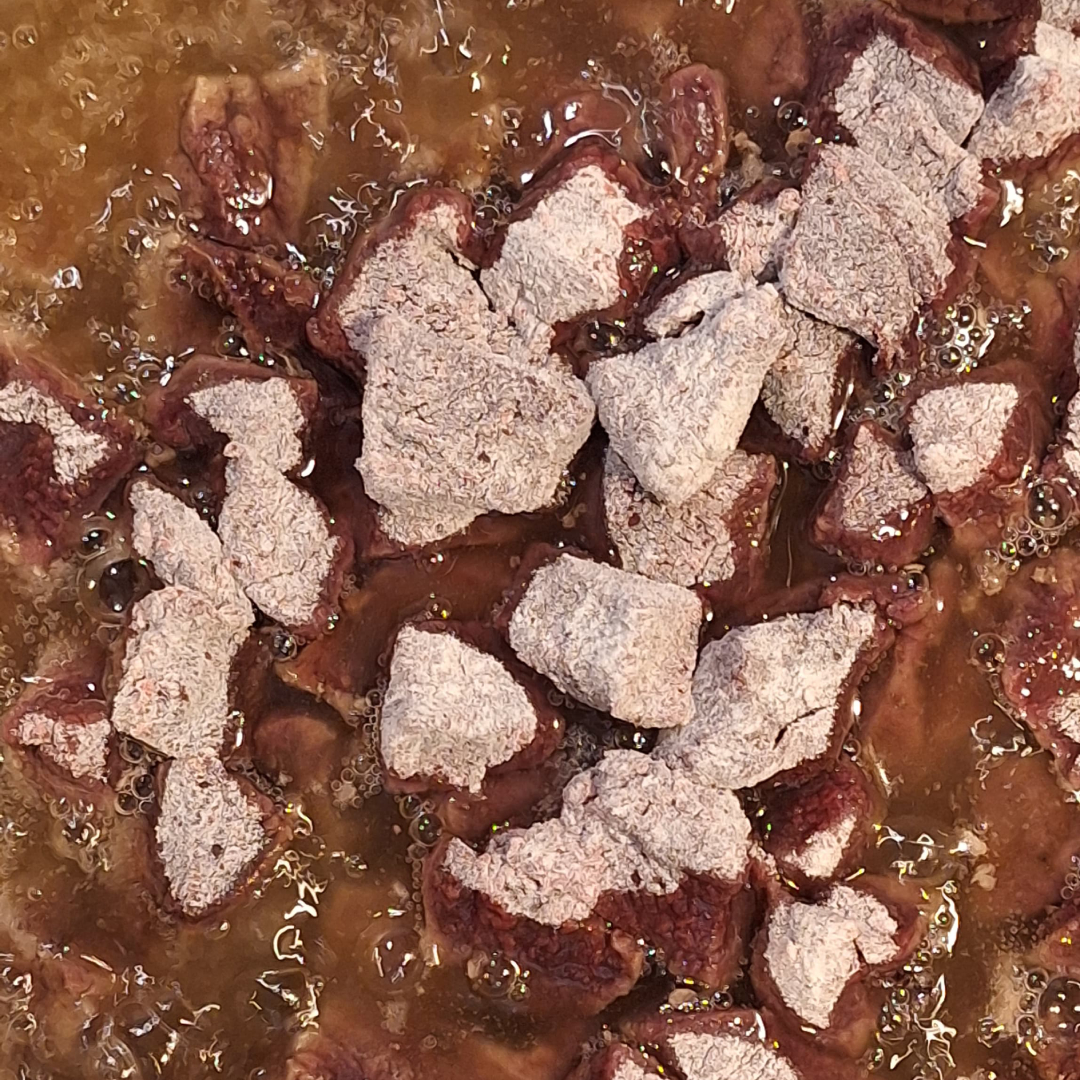
- Fry the liver:
- Heat the oil until very hot.
- Fry the liver in small batches for a short time.
- The color should be golden, similar to sunflower oil tones.
- Avoid overcooking to keep the inside tender.
- Pepper spice base:
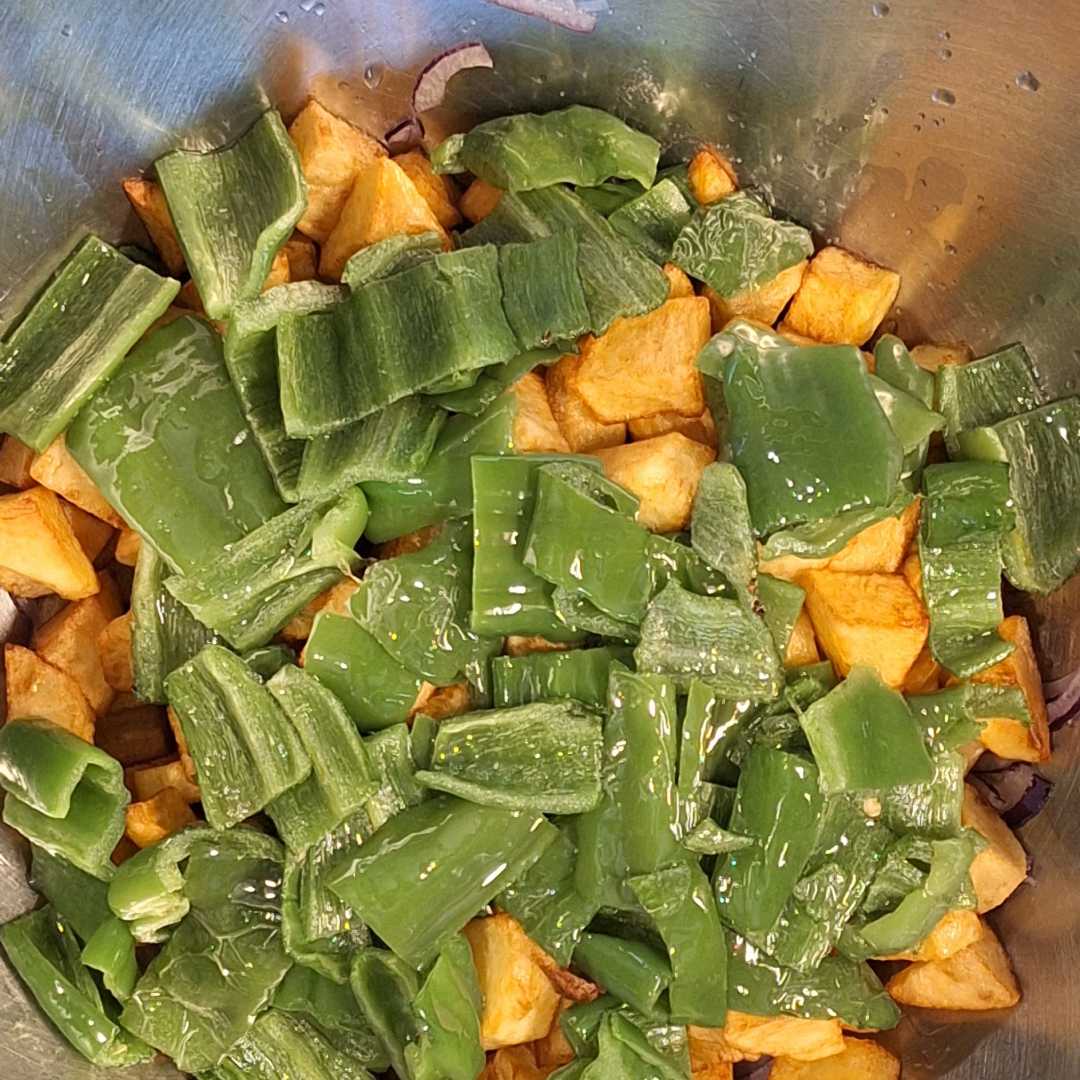
- In the same oil, fry the green peppers.
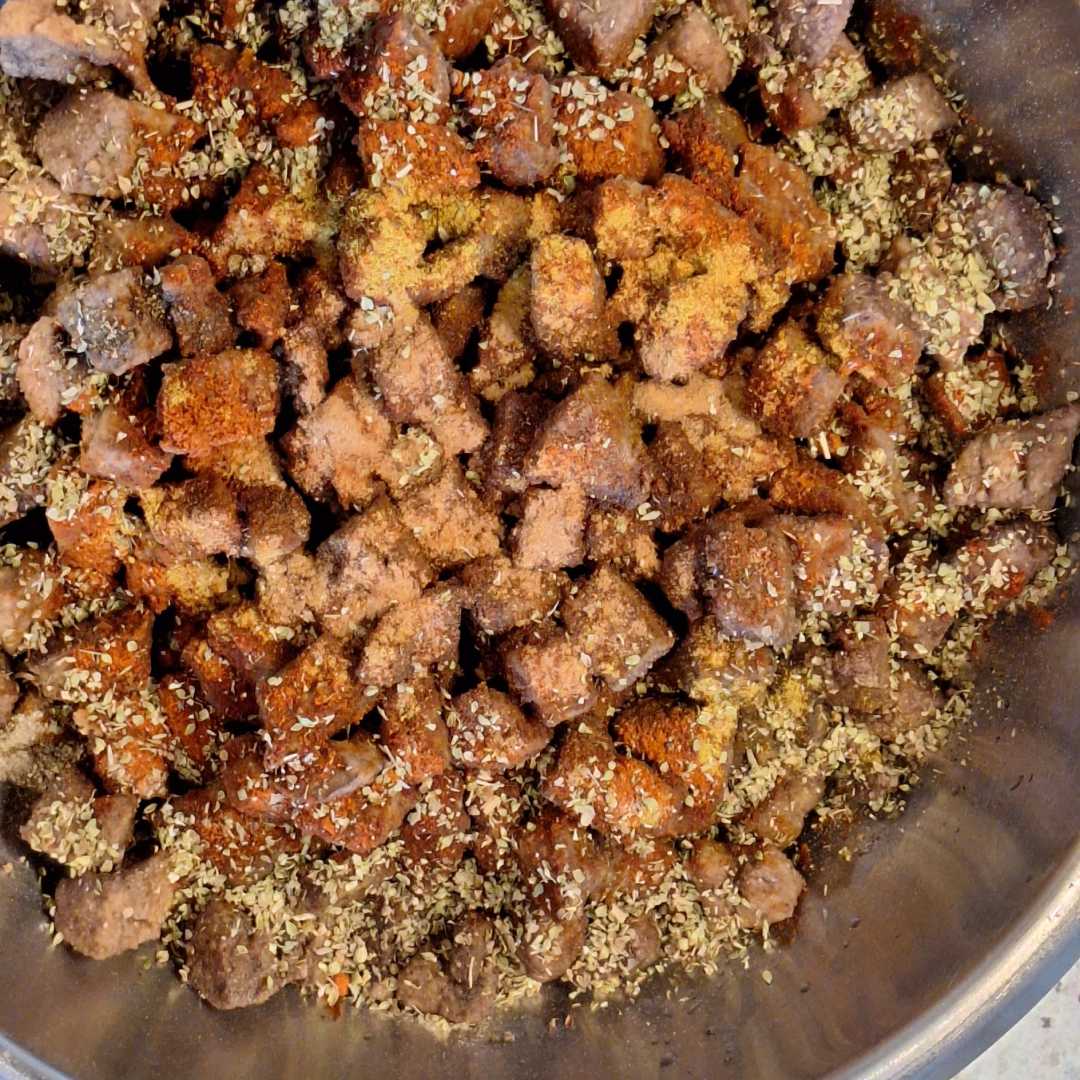
- Add the spice mix and stir briefly to release the aromas.
- This creates a light, aromatic coating rather than a heavy sauce.
Core Technique (The Essence of the Dish)
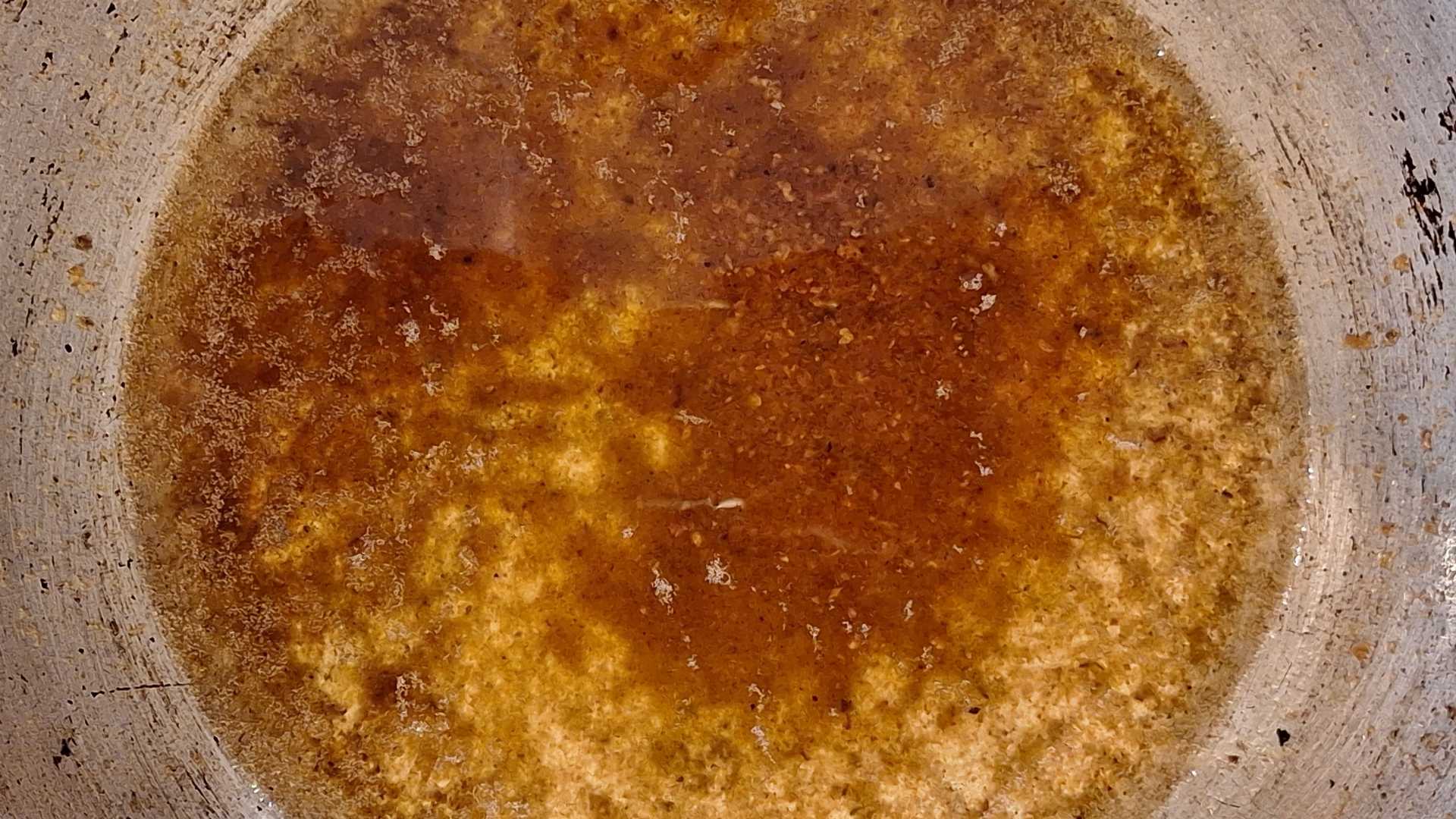
- The key lies in using the same oil in which the liver is fried.
- The flour-infused oil acts almost like a light glaze, coating the liver with flavor.
- This is a defining feature of traditional restaurant-style Arnavut Ciğeri.
- Never replace this oil with fresh oil for finishing.
Plating
- Spread the sliced red onions at the base of the plate.
- Add the crispy potatoes on top.
- Place the fried liver over the potatoes.
- Spoon the spiced peppers over the dish.
- Finish generously with fresh parsley.
Tips
- Serve immediately after frying for best texture.
- Use plenty of flour, but avoid excess burning in the oil.
- The cinnamon is subtle but essential for depth.
- Raw onion provides a sharp contrast to the richness of the liver.
