


Just Outside the Tourist Hub
When I decided to move to Barcelona, my main motivation wasn’t work or money. Back in Istanbul, I had a solid job and was making a decent living. My choice to become an expat and settle in Barcelona was driven by two key reasons. The first was to experience a different business environment—to take the work I had been doing successfully for years and try it in a new market. The second, equally important, was, of course, food.
Istanbul, the city where I was born, raised, and spent most of my life, was going through a gastronomic collapse. I’ll dive into the details in another piece, but in short, overpopulation and economic pressures were eroding traditional cuisine. Add to that the cultural deterioration across all social classes—especially among the wealthy. Finding a decent place to eat, getting there, and most of all, paying the bill, was becoming increasingly difficult. The link between price and quality had almost completely vanished. The upper class—larger in number than the population of many European countries—had traded taste for consumption and, worse, flavor for flashiness.
Frankly, Istanbul—the great imperial capital where Turkish, Greek, Armenian, Kurdish, Arab, Anatolian, and Balkan flavors had mingled for centuries, where both Roman and Ottoman culinary traditions had flourished, where the finest ingredients had flowed for millennia—was no longer a city that promised gastronomic joy or hope. Instead, it offered me something far less appetizing: disappointment.
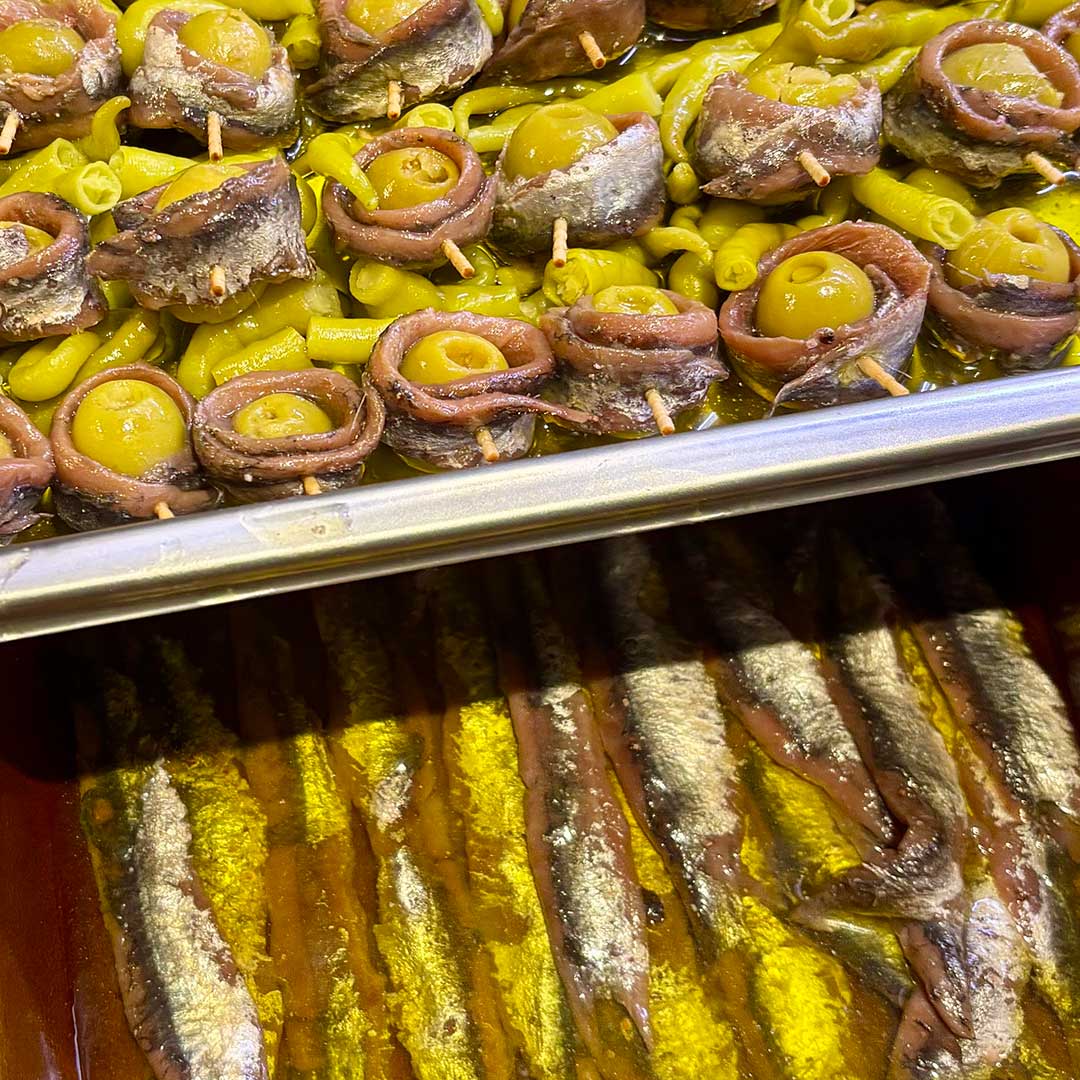
Gildas con anchoas, Colmado Wilmot
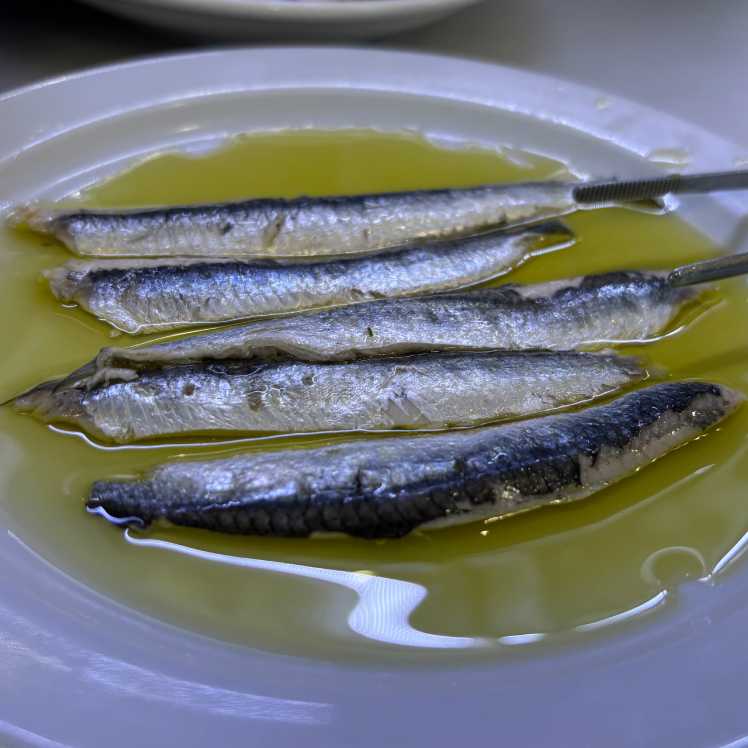
Barcelona, on the other hand, was a place where I could shop in its countless Mercados, chat with fishmongers, and cook all the seafood I wanted at home. I could swim in a sea of shellfish—varieties we could barely find in Istanbul anymore. But was that all?
Of course not! To me, Barcelona was a gastronomic paradise. The vast majority of its countless restaurants maintained a certain standard, combining good service with reasonable prices. Spanish cuisine had undergone a revolution in the past twenty or thirty years, and I was ready to clean my plate and join the feast!
But within my first year in Barcelona, I realized that my expectations had been a little too optimistic. The pandemic and the economic crisis that followed had fueled over-tourism, which had nearly consumed the historic city center. The city’s famous tapas bars and restaurants still had their names and reputations, but at the cost of serious flavor erosion.
So, what do you do when you arrive in a new city? Or rather, what did I do? Naturally, I started by trying the most popular bars and restaurants. And unfortunately, most of them left me—let’s not say disappointed, but certainly underwhelmed. Prices were high, service was poor, and the food was mediocre at best.
Were there exceptions? Of course. And places I hadn’t discovered yet? Plenty! But the experience shook my trust in the city’s culinary scene. I started steering clear of the tourist center. I distanced myself from both traditional, well-established restaurants and the hyped-up, trendy spots. I needed to find something real, something worth eating. And so, I began my search—outside the crowded heart of the city.
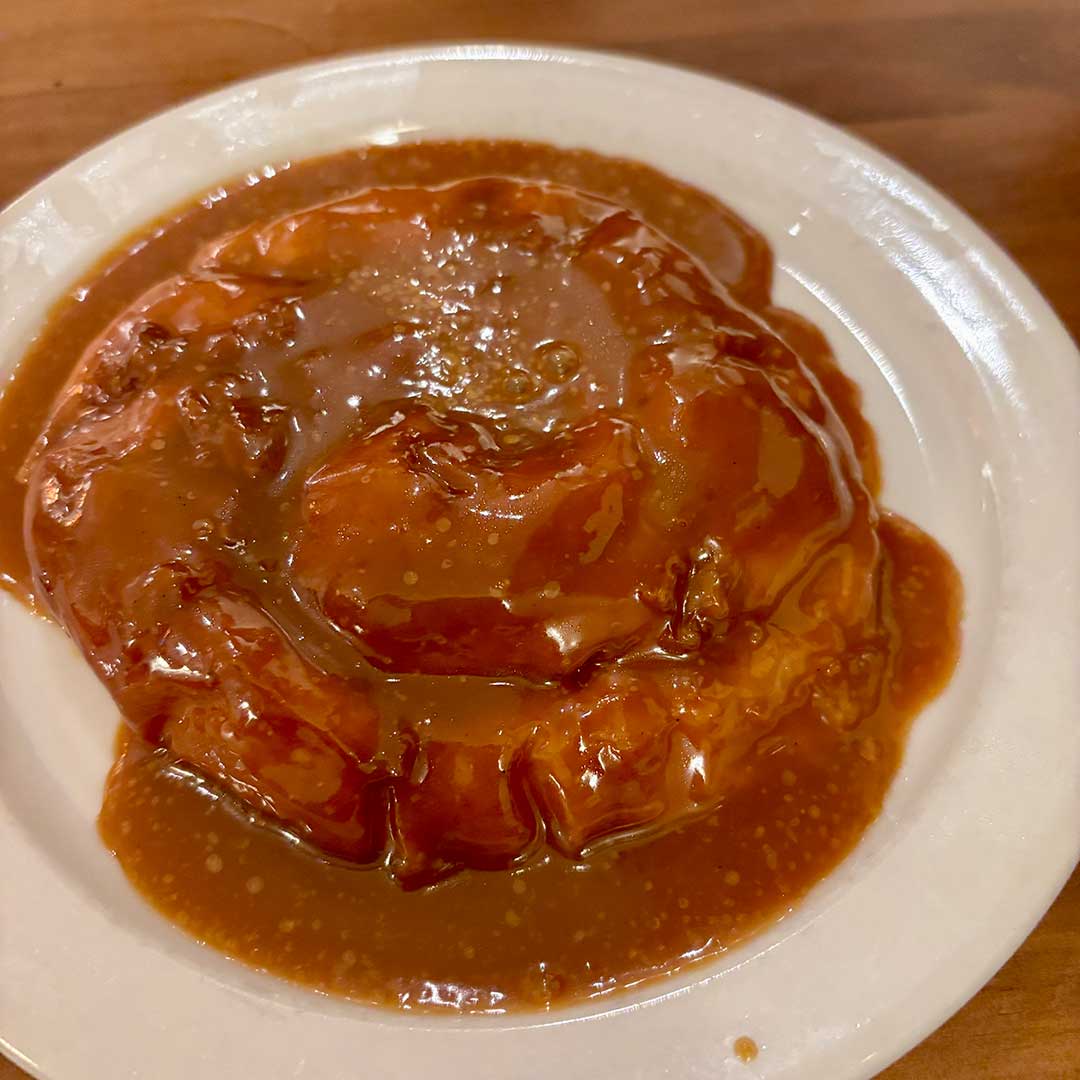
Torrija
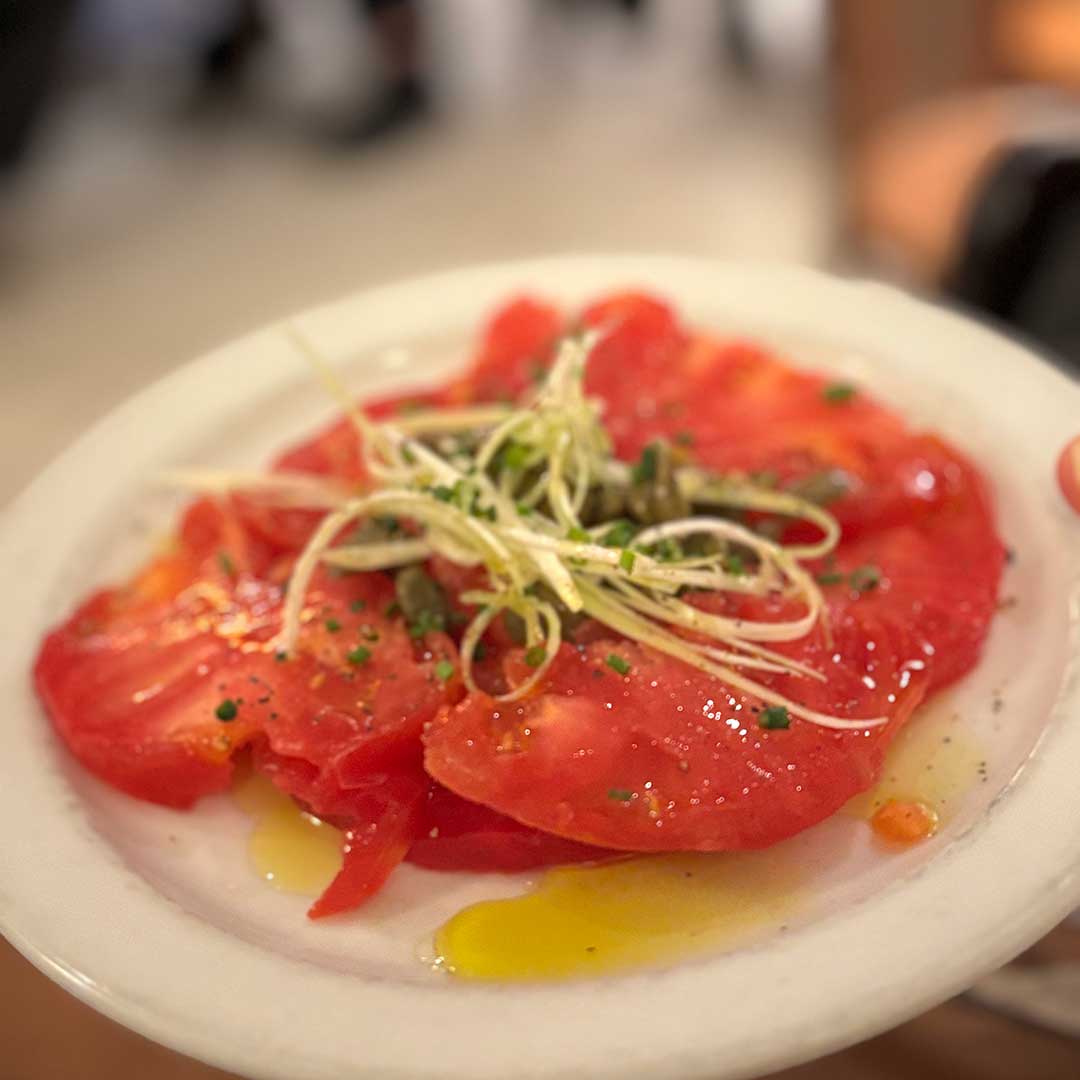
Tomato salad
Now, Onto the Next Target: The First Ring Outside the Center!
There are good and bad places here too. Plenty of restaurants pretend to be good—or worse, are made to look good—only to leave you disappointed. But there are also some truly great ones, and quite a few solid choices that seem to hold their ground better than those in the city center. We’ll see. For now, I’m zeroing in on this area, making it the focus of my culinary experiments. And now, ladies and gentlemen, I present to you:
Colmado Wilmot – Turo Park, Barcelona
I suppose my answer to “Why am I here?” turned into a rather long-winded introduction, but at least it was a thorough one. Now, let’s get straight to the point—push the door and step inside. The door is a bit heavy, so give it a firm shove!
In Spain and Latin America, a “colmado” is the neighborhood’s go-to store—a high-quality grocery and delicatessen where locals pick up specialty foods. And when you step into Colmado Wilmot, you’re greeted by tomatoes gleaming like polished apples, trays of Gilda pintxos, and house-made anchovies. It immediately gives you the sense that you’ve entered a place that is both a shop and a restaurant, an establishment that values both freshness and tradition.
A Thoughtful Take on Catalan and Spanish Classics
The menu at Colmado Wilmot features carefully crafted interpretations of Catalan and Spanish classics, made with high-quality ingredients. Let’s start with the Gilda—it was perfect. I hadn’t had one this good since my first time in the Basque Country. The reason? The anchovy. It was exceptional, just like the ones my grandfather used to prepare at home in Istanbul. Or like those firm, lightly salted anchovies my grandmother would clean after we bought them in tins of salt from the Spice Bazaar. They were as good as the flavors of my childhood memories
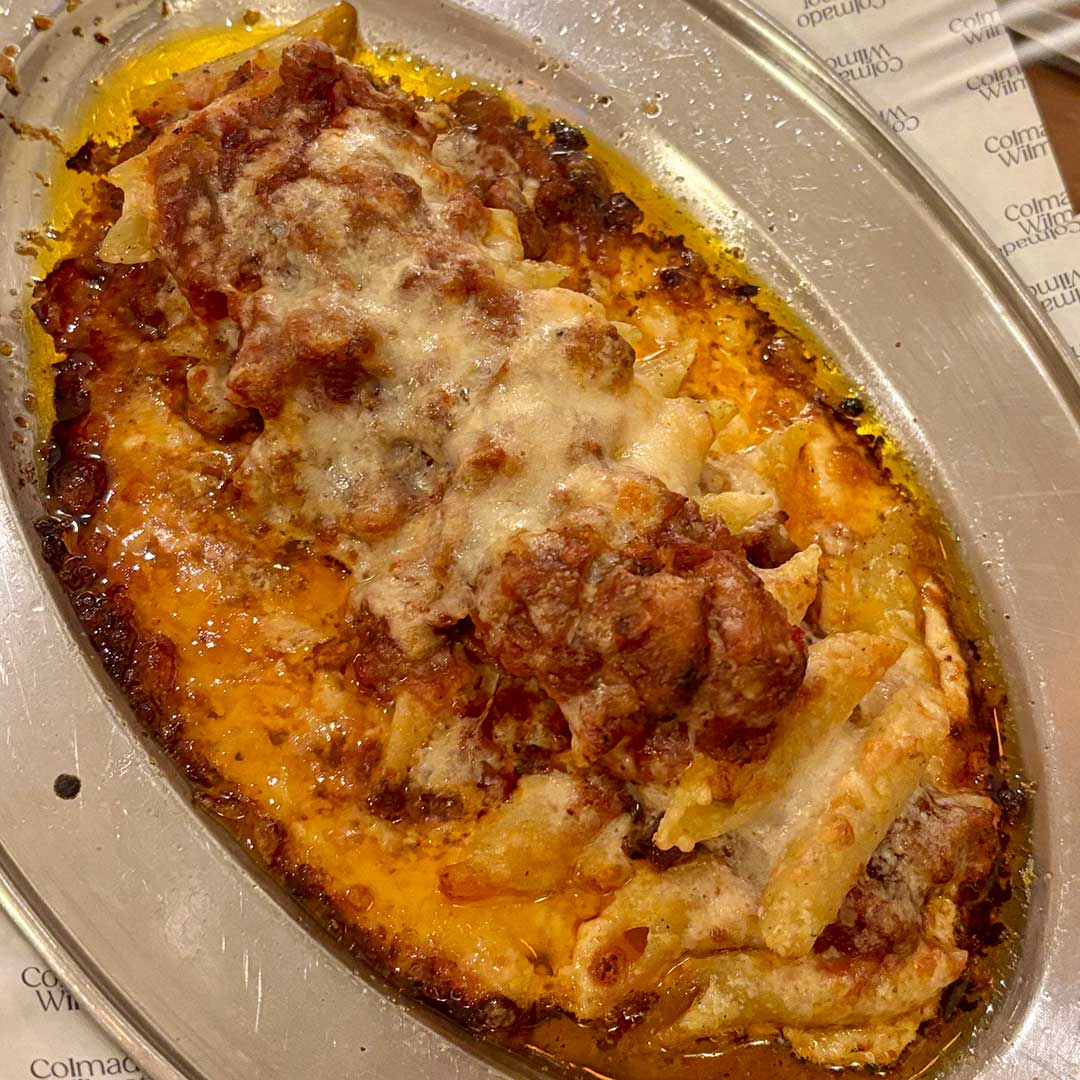
Macaroni Cardinal Style
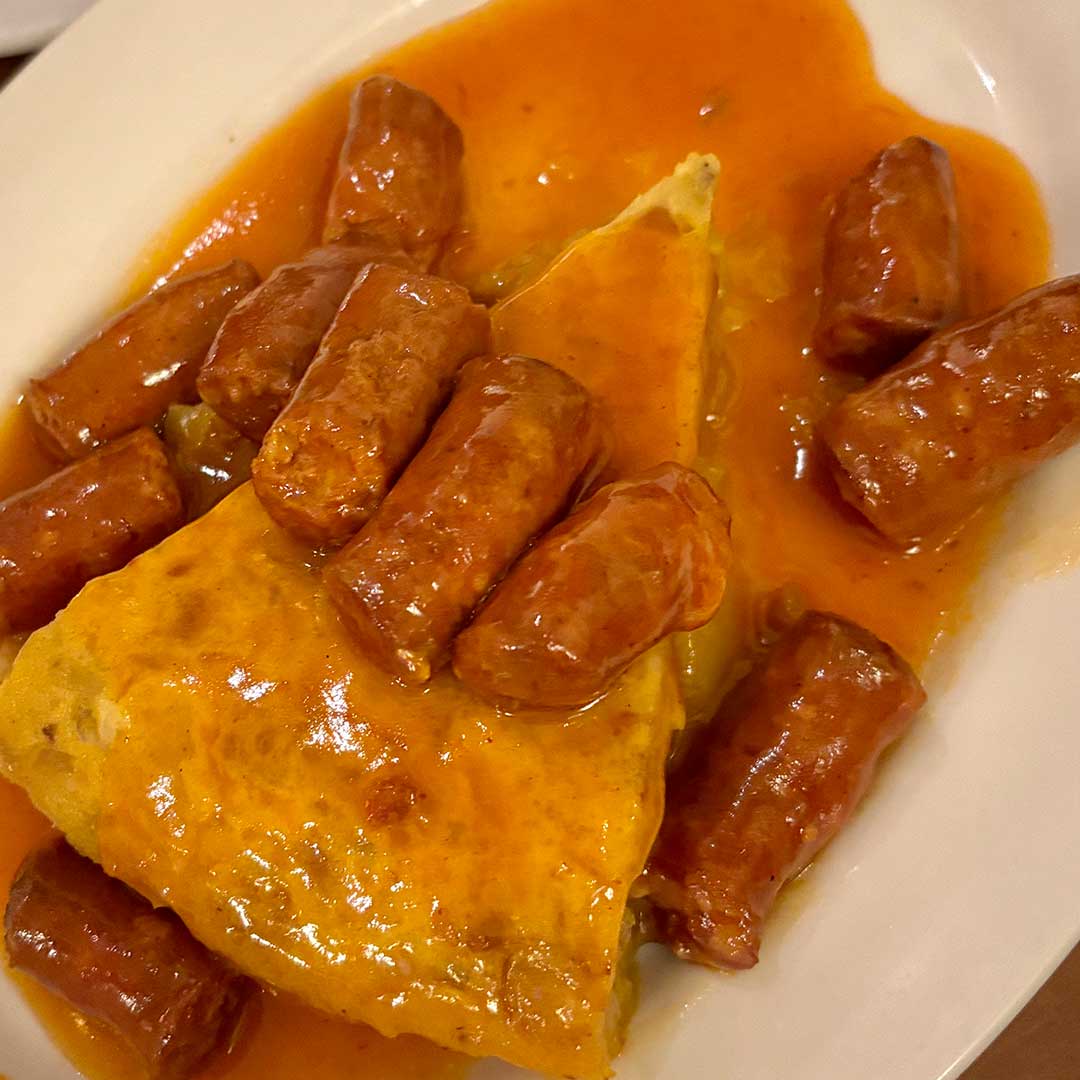
Tortilla & Txistorra Sausage Cooked in Cider
The tomato salad with onions and capers, on the other hand, didn’t quite hit the mark for me. Maybe it was the softness of the tomatoes, or perhaps I had unrealistically high hopes, dreaming of a crisp, firm RAF tomato bursting with flavor. But let’s be fair: even though they looked fantastic, the tomatoes simply weren’t flavorful enough.
The Stroganoff Meatballs were a creative twist on the classic Beef Stroganoff. The meatballs were incredibly tender and juicy, served in a creamy sauce infused with mushrooms, onions, and a subtle hint of mustard. Traditionally, Stroganoff is made with sliced beef, but Colmado Wilmot has cleverly reinvented it into a more practical and satisfying dish by shaping it into meatballs. The rich meat flavor and the velvety sauce created a deeply comforting and delicious experience.
Rich, Comforting, and Unapologetically Indulgent
This dish is a Mediterranean twist on a seafood-infused mac & cheese classic, delivering an intensely rich and luxurious flavor profile. The Cardinal sauce—a decadent blend of shellfish bisque, cream, and a hint of brandy—coats the pasta flawlessly, creating deep umami notes that linger. Typically served with lobster or langoustine, this dish strikes a delicate balance between indulgence and elegance.
Then there’s the Tortilla de Patatas with Txistorra Sausage Cooked in Cider, a dish that brings rustic charm and bold flavors to the table. A thick, golden wedge of Spanish potato omelet is generously bathed in a flavorful cider sauce, while the Txistorra sausage—a smoky, heavily spiced specialty from the Basque Country—adds its signature kick. Slow-cooked in cider, the sausage develops a subtle sweetness and tang that perfectly complements its rich, fatty, and boldly seasoned character. The soft tortilla absorbs the sauce, blending harmoniously with the intense flavors of the sausage, creating a dish that delivers a powerful punch in every bite.
For those who appreciate the hearty, traditional flavors of Spanish cuisine, this one is an absolute must-try.
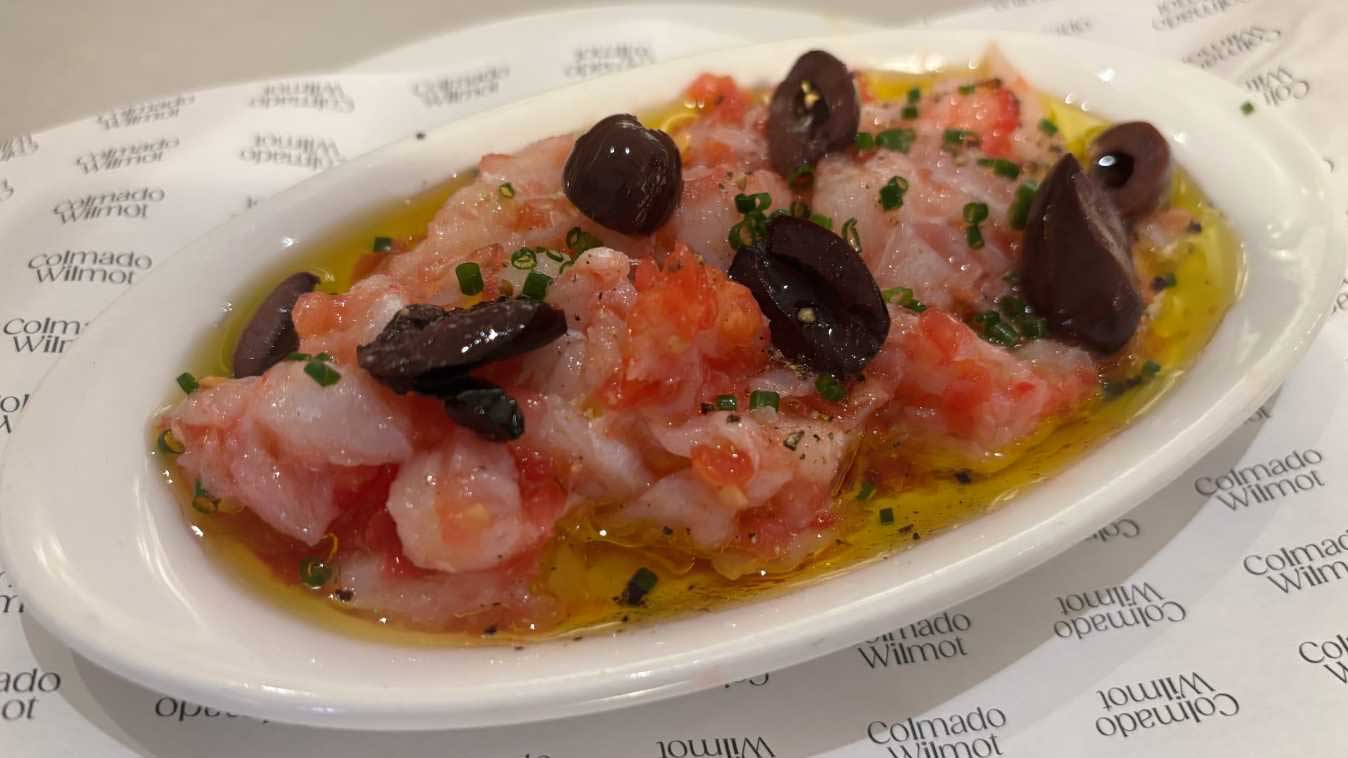
Cod “Esqueixada” (Catalan-style salt cod salad)
The Grand Finale: A Sweet Ending and a Warm Recommendation
At Colmado Wilmot, no meal is truly complete without Torrija. While often compared to French toast, torrija is in a league of its own—richer, creamier, and undeniably indulgent. Traditionally eaten during Easter, this dessert is made by soaking bread in milk or cream, then frying it to golden perfection and serving it with cinnamon, sugar, or honey. The version at Colmado Wilmot is spot-on—crispy on the outside, meltingly soft inside, with deep caramelized flavors that linger long after the last bite. It’s the kind of dessert that doesn’t just end a meal—it seals the experience.
A Neighborhood Gem Worth the Journey
Colmado Wilmot offers a warm and inviting atmosphere, where traditional flavors meet modern craftsmanship. It may be outside the tourist-heavy center, but it embodies Barcelona’s multicultural and cosmopolitan soul. Whether you’re a local in search of nostalgic flavors or a traveler eager to explore contemporary Catalan cuisine, this place is well worth a visit.
For my next trip, I already have a wishlist of dishes I saved for round two:
- Cod “Esqueixada” (Catalan-style salt cod salad)
- Russian Salad with Garlic Shrimp
- Pincho de Tortilla de Patatas with Garlic Shrimp
- Tripe and Trotters Stew
- “Fricandó” (Catalan-style beef stew)
- “Fricandó” with Langoustines
- Cod Tripe Stew with Chickpeas and Iberian Jowl
- Garlic Rabbit Ribs
Looks like I’ll be back soon. And honestly? I can’t wait.
Yes, just as I wrote, I’m back again!
I made my second visit to Colmado Wilmot, this time for lunch. Once again, I was very pleased with the food and the flavors. But once again, I was disappointed with the service. A certain level of friendliness within the team and toward customers is, of course, a great way to create a warm and welcoming atmosphere—but only up to a point. It shouldn’t go any further.
What should one think when a dish they forgot is not only served late but also added to the bill a second time? And shouldn’t the waiter who suggested a special dish—one that wasn’t on the menu but was indeed delicious—have mentioned that its price exceeded every item on the menu?
I could accept all of this. But during a calm lunch service, the sexist innuendos directed at the female bartender ruined even the aroma of that amazing dish.
