


Michelin Guide Debates III
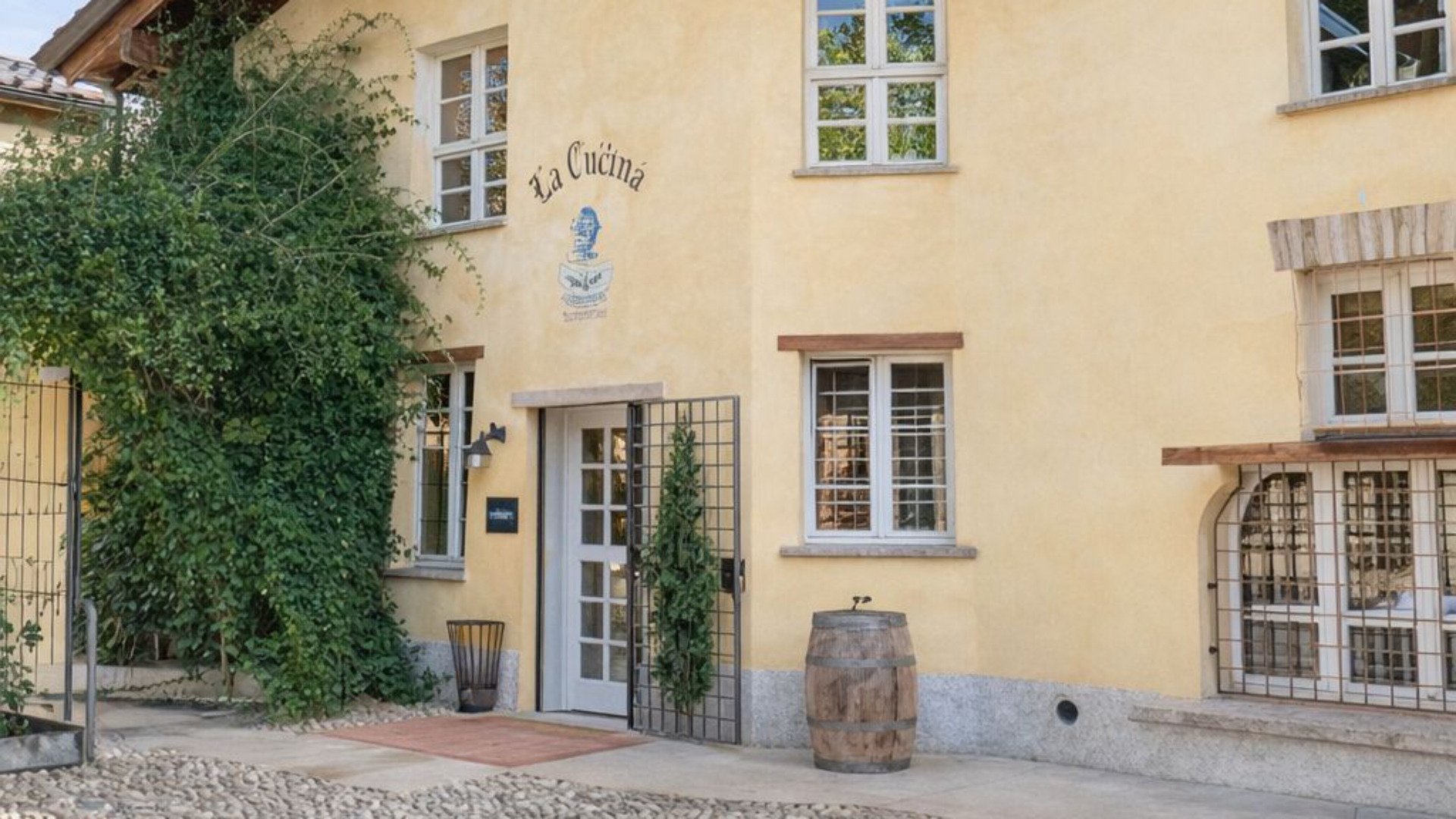
La Coldana’s decision not to take part in the Michelin Guide’s evaluation process for 2026, announced from its rural setting near Lodi in Lombardy, can easily be read as yet another story about “returning a star.”
But the letter sent to Michelin by the restaurant’s owners, Alessandro Ferrandi and Fabrizio Ferrari, suggests something slightly different. Less a break, more a pause. Not a rejection, but a step back (Corriere della Sera, 2026).
The tone of the letter is calm. There is no direct accusation aimed at Michelin, no anger directed at the star itself. What comes through instead is a quieter discomfort: the sense that decisions made in the kitchen have, over time, begun to be shaped not only from within, but also from outside.
La Coldana does not describe the Michelin star as a goal. It appears instead as something that, in hindsight, slowly altered the restaurant’s daily rhythm. The shape of the menu, the pace of service, the way the table relates to the kitchen. Over time, all of this shifted slightly with the presence of the star. Today, the restaurant is saying that this direction no longer feels like its own (Corriere della Sera, 2026).
Here, the issue seems less about the star itself than about the habits that come with it. As I have pointed out in other contexts before, food is increasingly asked to justify itself through explanation. Dishes are no longer expected to speak on their own. They arrive with context, intention, concepts. Menus are read and listened to, sometimes for longer than the food is actually eaten.
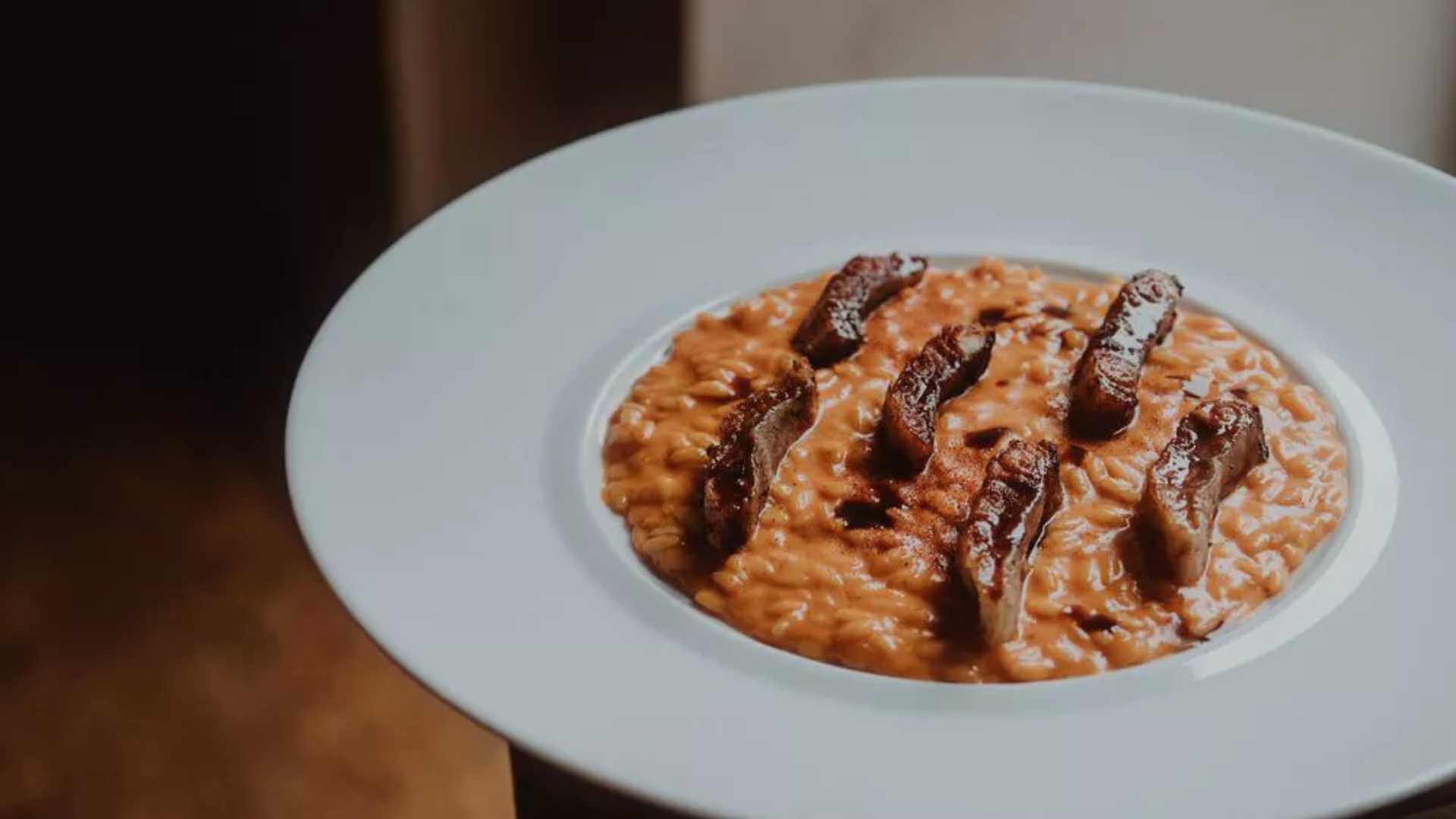
This language does not openly attack traditional cooking, but it quietly pushes it aside. Traditional food does not ask to be explained. If a soup is hot, if a stew is balanced, if rice is properly cooked, the matter is settled. What matters is how it tastes and how it is made. Yet these dishes are often dismissed as “too simple,” “not ambitious enough,” or simply “boring.” Because they do not surprise, because they do not promise a first-time experience, they leave the table early.
At this point, what the restaurant is selling also begins to change. Food remains present, but it is no longer central. Sitting at the table becomes less about eating and more about “experiencing” something. Plates are not finished, but they are photographed. Taste is rarely discussed; ideas are. What remains after the evening is not the meal itself, but the story told about it.
The discomfort felt in La Coldana’s letter concentrates precisely here. The restaurant wants food back at the center. It wants the thing remembered after the meal to be the plate itself, not the choreography around it. Less “we experienced something different,” more “we ate well.”
The everyday reality of running a starred kitchen is not spelled out directly in the letter, but it is clearly present between the lines. Menu complexity, service structure, team size, product standards.
With a star, all of these tend to settle into a fixed line. In major cities, with large teams and strong backing, that line can be maintained. For kitchens that value their own pace and their relationship with place, it can gradually become restrictive (Gambero Rosso, 2026).
This is not unique to La Coldana. When Sébastien Bras asked to be removed from the Michelin Guide, he described the star as a constant pressure hanging over the kitchen. Dani García, too, has spoken about how the starred model eventually prioritizes continuity and structure over creativity. These examples show that what La Coldana is expressing today resonates well beyond its own walls.
Perhaps the clearest part of the letter concerns the relationship with the guest. The star is acknowledged as a reference point. But the restaurant wants to measure its value elsewhere: in whether people choose to come back (Corriere della Sera, 2026). This is less about rejecting the star than about moving it away from the center of the table.
The reactions that followed reflect this ambiguity. Some commentators found it strange that stepping away from a star was still being framed through the language of stars. Others—chefs and restaurateurs among them—said they recognized the feeling immediately. On social media, the star system was again described as something that can disrupt the natural flow of a kitchen, and the need for restaurants to find paths suited to their own conditions was widely acknowledged (Castillo, 2026).
La Coldana’s case shows that this search does not need to be loud. Sometimes taking a small step back in the kitchen, leaving one dish off the table, makes what really matters easier to see.
