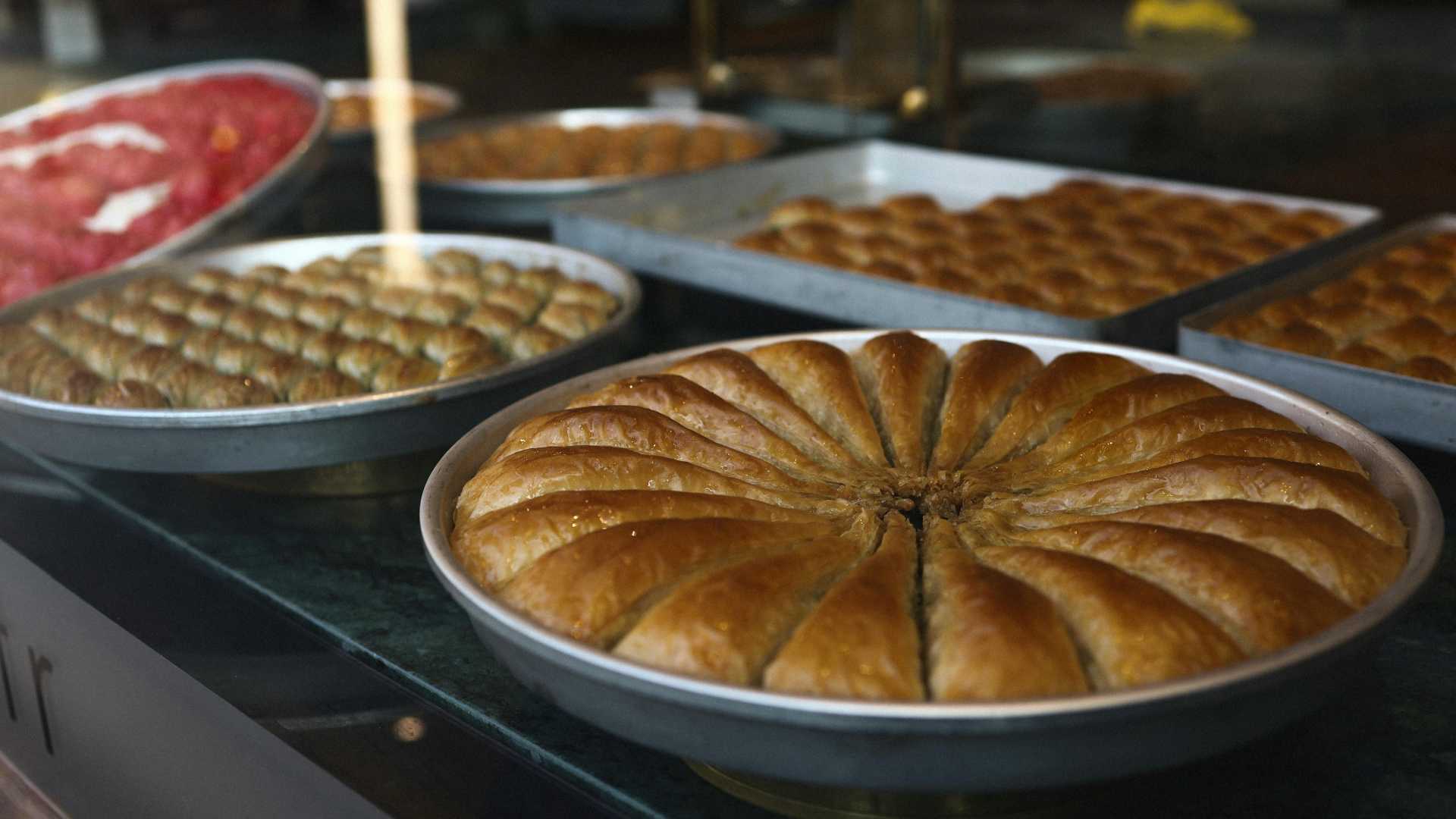


As someone who has closely followed Michelin and other gastronomy evaluation systems for years, I initially welcomed their arrival in Türkiye. After all, the gastronomy of these lands is not shaped by a few centuries but by the ferment of a memory that spans thousands of years.
I thought it would finally receive the recognition it deserves. But the picture changed quickly: the early sense of optimism was soon overshadowed by inconsistency, superficiality, and carelessness. The same places being awarded over and over again, restaurants whose performance has declined being ignored, and those who have long deserved an upgrade being overlooked…
This is not understanding gastronomy; it is distributing stars out of habit. Giving a star is easy; what is difficult is reading the geography, the ingredients, the memory behind that star. And even more troubling is this: a restaurant that has received two Michelin stars two years in a row continues to be celebrated despite misconduct that is widely known and has had serious consequences. Rather than disproving the criticism, this example confirms it all the more. Such cases no longer point to blind spots in evaluation systems, but to a clear vision impairment.
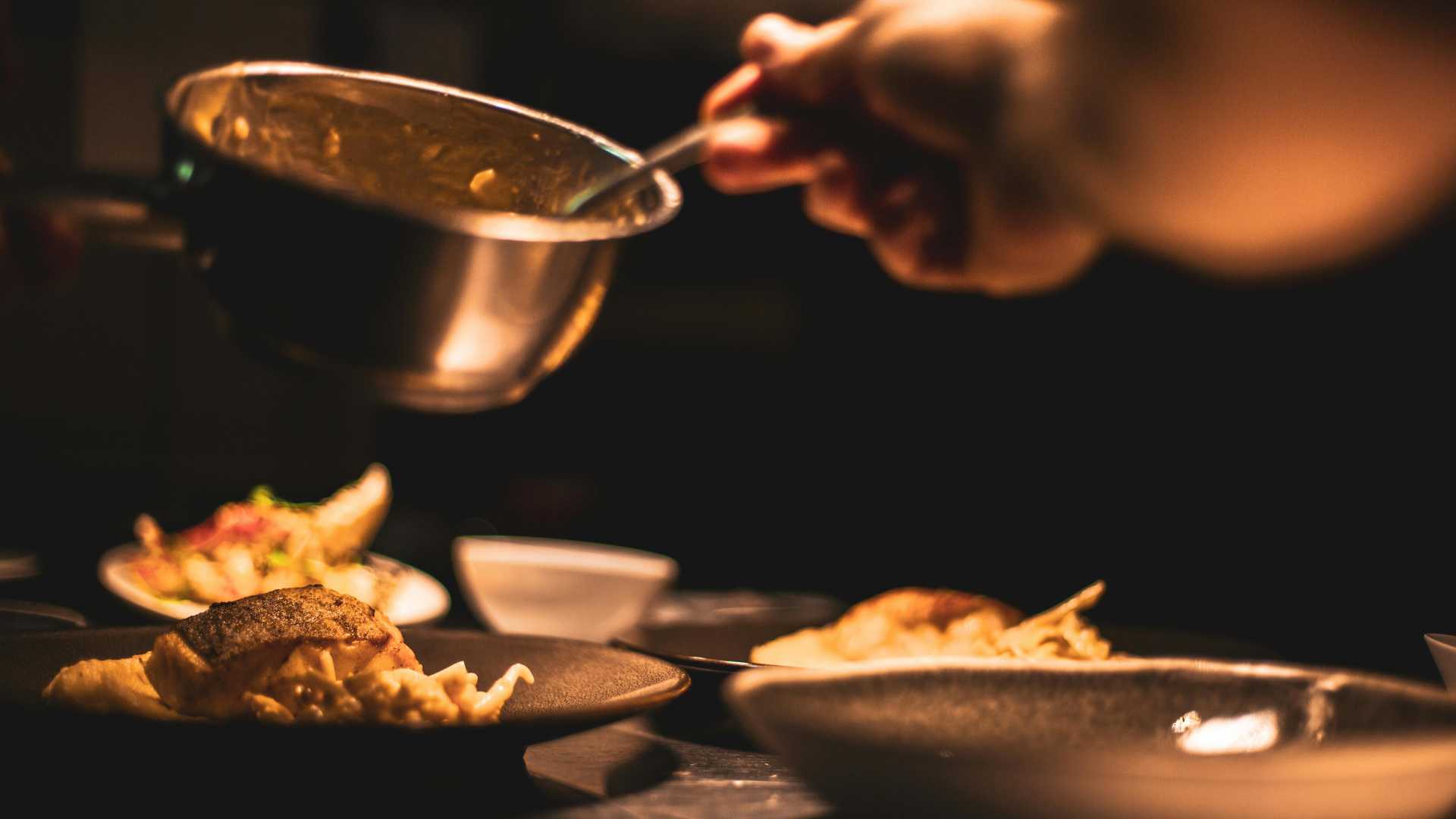
Yet the deeper problem lies elsewhere: a narrow and complacent perspective that confines Türkiye’s gastronomy to a few major cities. The true culinary arteries of this country pulse deep within Anatolia.
Today, dozens of cities that should be part of the global gastronomy literature are practically nonexistent in current evaluation systems.
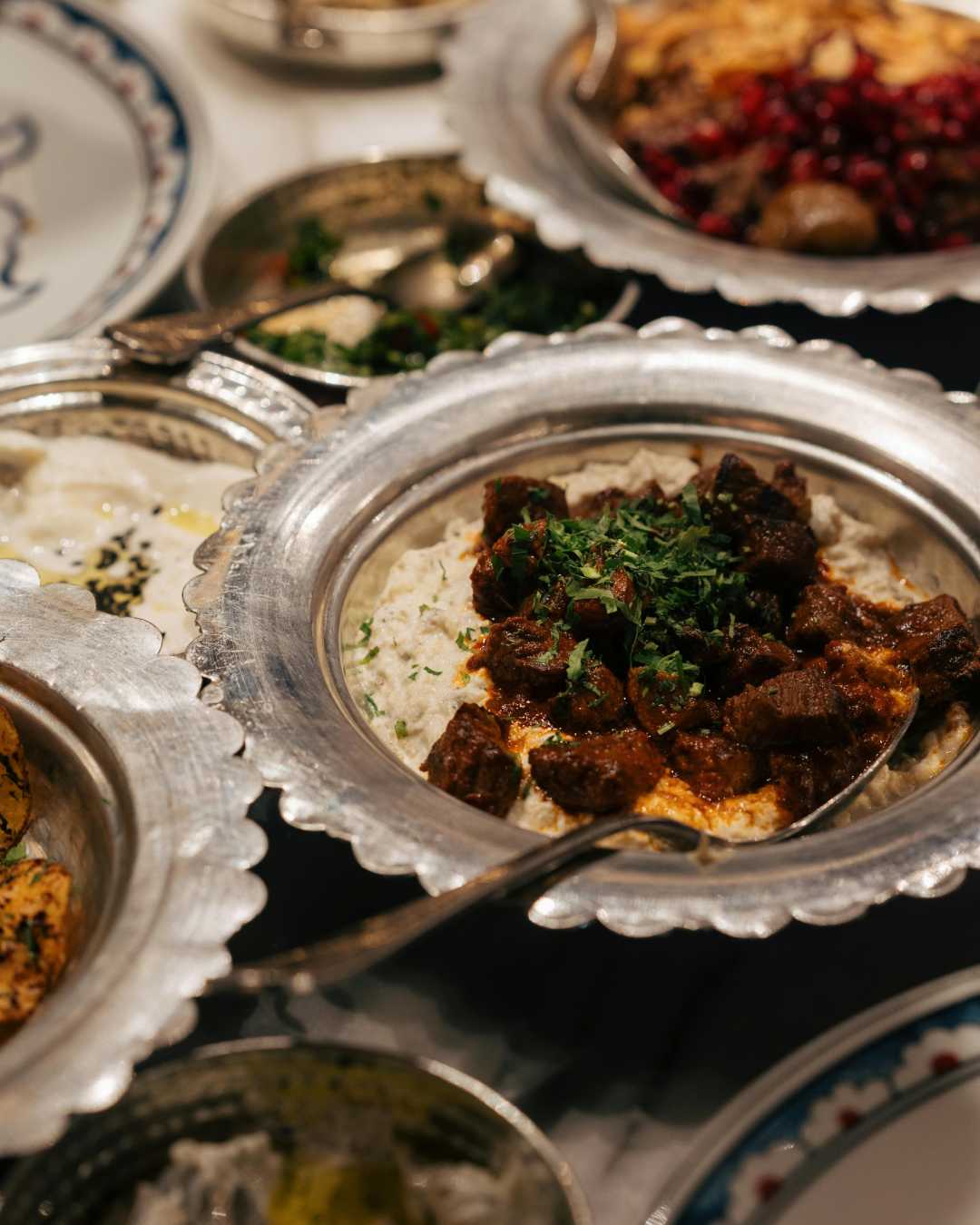
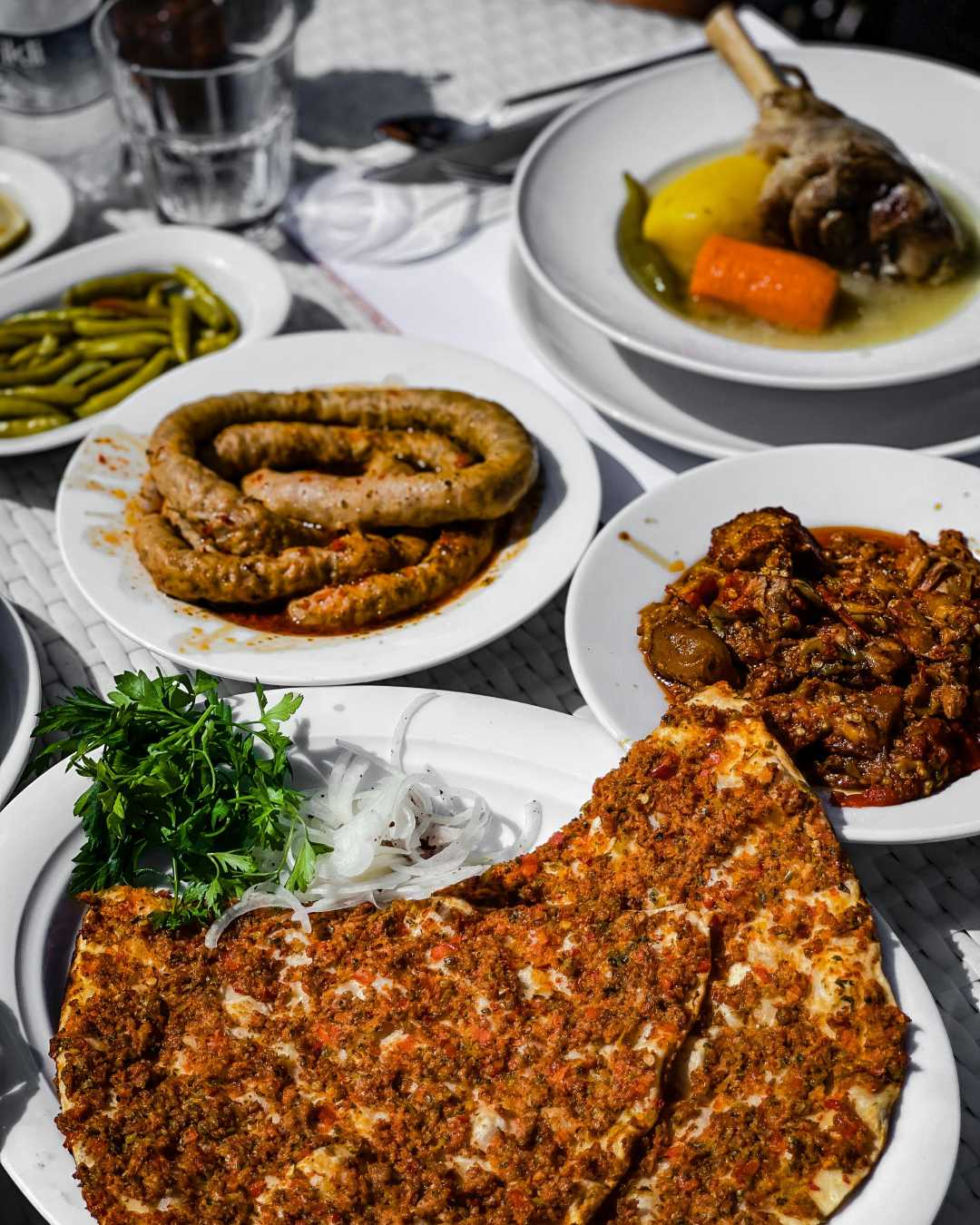
- Gaziantep – a civilization in itself with its yuvalama, baklava, and kebab tradition.
- Antakya – an ancient atlas of flavor where Syriac, Armenian, and Arab memory intertwines.
- Diyarbakır – an enduring cuisine shaped by the spices, meat, and tandoor culture of Mesopotamia.
- Mardin – a civilizational culinary field with its stone-oven tradition and multicultural table.
- Batman – a center that reflects Anatolia’s cosmopolitan gastronomy with extraordinary diversity.
- Şanlıurfa – unique culture with its isot ritual, çiğköfte heritage, and sıra gecesi tables.
- Van – unmatched worldwide for its breakfast culture and its variety of dairy products.
- Trabzon – Rize – Ordu – an original coastal cuisine defined by fish, corn, and oven culture.
- Kayseri – a refined Central Anatolian cuisine from mantı to pastırma, sucuk, and fat culture.
- Konya – distinguished by the silent discipline of its tekke cuisine, its meat techniques, and centuries-old recipes.
- Adana – Mersin – a rhythmic Mediterranean table of hearth culture and spice synthesis.
- Giresun – a remarkable vegetarian legacy born out of a “cuisine of scarcity,” spanning hundreds of varieties.
- Çorum – far more than its famed roasted chickpeas; a treasure sustaining a powerful grain, meat, and legume cuisine stretching back from the Hittites to today, enriched with deep techniques from höşmerim to İskilip dolması.
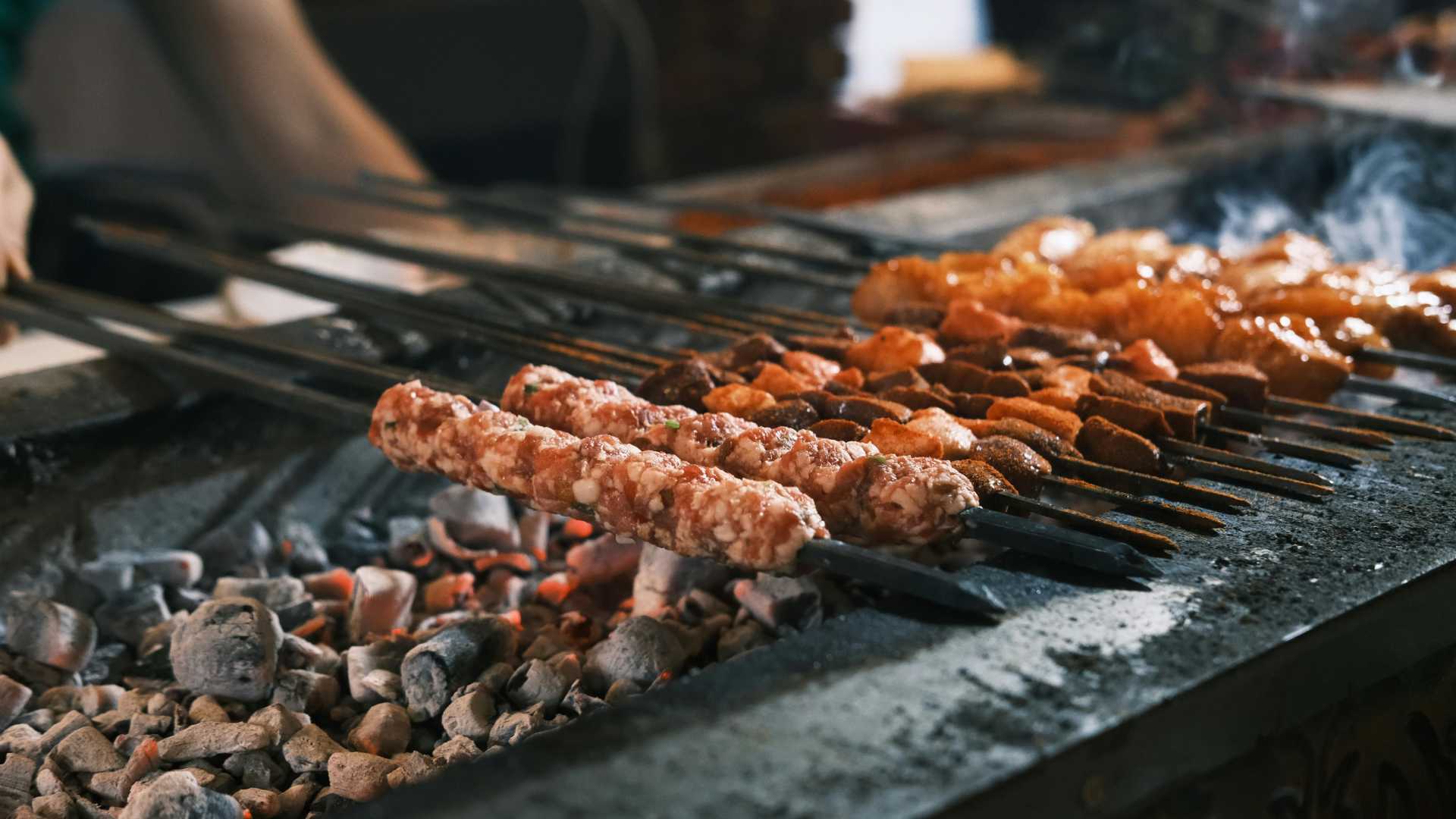
Each of these cities represents a gastronomic civilization in its own right. Yet much of this civilization remains in the blind spot of today’s evaluation systems. This is not only a gastronomic deficiency but also the clearest indicator of a broader cultural-policy gap in Türkiye. When something is done merely “to say it was done,” it cannot last; its credibility does not survive more than a few seasons.
Gastronomy is not the plating on a dish; it is the memory of the geography, the ingredients shaped by the climate, the accumulation left behind by history. To understand a country’s cuisine, one must understand its cities—their memory and their chemistry. What Türkiye’s gastronomy needs today is clear: an evaluation approach that is free of centralist reflexes; inclusive, fair, genuinely engaged with the field, and capable of seeing the entire geography. Because in this country, the stars shine not in the sky but at the table. What’s missing is a gaze capable of truly seeing them.